Why is Retrofitting Non-Structural Walls with Fiberglass Mesh Necessary?
Why is Retrofitting Non-Structural Walls with Fiberglass Mesh Necessary?
The Crisis of Non-Structural Walls in Iranian Earthquakes
As one of the most earthquake-prone regions in the world, Iran has continuously witnessed irreparable damage caused by the instability of non-structural components. In past earthquakes, a major portion of casualties and financial losses occurred not due to the collapse of the main building skeleton, but rather because of the collapse of peripheral and internal walls. This indicates that focusing solely on the stability of columns and beams is not enough, and retrofitting non-structural walls is considered a vital necessity.
Infill walls and partitions were traditionally executed without engineered connections to the structural frame. During an earthquake, due to high stiffness and lack of ductility, these walls suffer deep cracking and ultimately sudden collapse under severe shear and bending. To prevent this crisis, structural engineers have turned to modern solutions, with the Tarsازه system being one of the pioneers in providing them within the country.
The use of modern technologies such as wall mesh allows engineers to restrain non-structural walls continuously and uniformly. Meanwhile, understanding the seismic behavior of walls and using standard materials is of special importance. In the following, we will examine the traditional challenges and the benefits of modern solutions in more detail.
Why Are Traditional Methods Inadequate?
Traditional metal wall posts usually do not perform well in the long term due to improper welding, quality degradation from corrosion, and the creation of thermal bridges. In addition, the high weight of metal elements increases the dead load of the building. Therefore, the trend toward lighter and more resistant systems, such as using the role of fiberglass mesh in retrofitting non-structural walls with wall mesh, is increasing day by day, bringing optimal safety.
Mechanism of Non-Structural Wall Destruction During an Earthquakes
When an earthquake occurs, the structural frame undergoes lateral displacement (drift). Non-structural walls placed within these frames are forced to follow the frame's deformation. Since masonry materials (such as bricks or clay and concrete blocks) are brittle and have very low ductility, they develop deep diagonal cracks and rapidly crush under these displacements. This phenomenon, also known as the short-column effect, can lead to brittle and dangerous failure of the entire structure.
In addition to life safety hazards for residents, the collapse of these walls blocks emergency exit routes and disrupts post-earthquake rescue operations. This is why experts of Iran's Standard 2800 place special emphasis on the principled restraint of these components. Retrofitting non-structural walls is a solution that absorbs earthquake energy and prevents localized wall collapse.
- Brittle and sudden failure of masonry materials against lateral forces
- Creating serious life hazards for pedestrians and building occupants
- Blocking of pathways and exit corridors due to debris accumulation
- Exorbitant reconstruction and repair costs after an earthquake
Based on studies published in Retrofitting non-structural walls with wall mesh, the use of surface reinforcement systems can substantially prevent these hazards and maintain wall stability even after initial cracking.
راهنمای جامع اجرای نوین وال مش برای دیوارهای غیرسازهای
راهنمای جامع اجرای نوین وال مش برای دیوارهای غیرسازهای
آشنایی با تحولات مهندسی در مهار دیوارهای غیرسازهای
در سالهای اخیر، صنعت ساختمان ایران شاهد تغییرات بنیادینی در ضوابط لرزهای بوده است. پیادهسازی سیستمهای سنتی مانند نبشیکشی و ناودانیهای منقطع، هرچند قدمتی طولانی دارد، اما مشکلات اجرایی و هزینههای بالای آنها مهندسان را به سمت روشهای جایگزین سوق داده است. نوین وال مش به عنوان یک تکنولوژی پیشرفته، جایگزینی کارآمد برای روشهای قدیمی محسوب میشود که با حذف المانهای فلزی سنگین، ایمنی سازه را به طور چشمگیری افزایش میدهد.
برای درک بهتر این تحول، مطالعه راهنمای جامع برای مقاوم سازی دیوارهای غیرسازهای با وال مش به مهندسان طراح توصیه میشود تا با جزئیات آییننامهای این سیستم آشنا شوند. دیوارهای میانقاب و پارتیشنها در هنگام وقوع زلزله دچار تغییر شکلهای جانبی میشوند. اگر اتصال این دیوارها به قاب سازهای به درستی انجام نشود، پدیده برش اتصال و خرابی پیشرونده رخ خواهد داد.
بر اساس گزارشهای فنی منتشر شده در مراجع تخصصی بینالمللی مانند مقاومسازی دیوار غیرسازهای با والمش، استفاده از سیستمهای تسلیح غیرفلزی باعث توزیع یکنواخت تنش در سطح دیوار میگردد و از تمرکز تنش در گوشهها جلوگیری میکند. متخصصان تارسازه با بهرهگیری از این دانش روز، محصولاتی را توسعه دادهاند که پاسخگوی نیازهای مهندسی سازههای مدرن است.
مزایای ساختاری سیستمهای نوین
- کاهش بار مرده سازه به دلیل حذف نبشیهای فولادی سنگین
- سرعت اجرای بسیار بالا در مقایسه با روشهای سنتی
- سازگاری عالی با انواع پلاسترها و مصالح بنایی
- مقاومت فوقالعاده در برابر خوردگی و شرایط محیطی سخت
با اجرای صحیح این سیستم، رفتار لرزهای دیوارها از حالت ترد و شکننده به حالتی شکلپذیر تبدیل میشود که این امر احتمال ریزش آوار را به حداقل میرساند.
انتخاب هوشمندانه مش فایبرگلاس در تسلیح دیوار
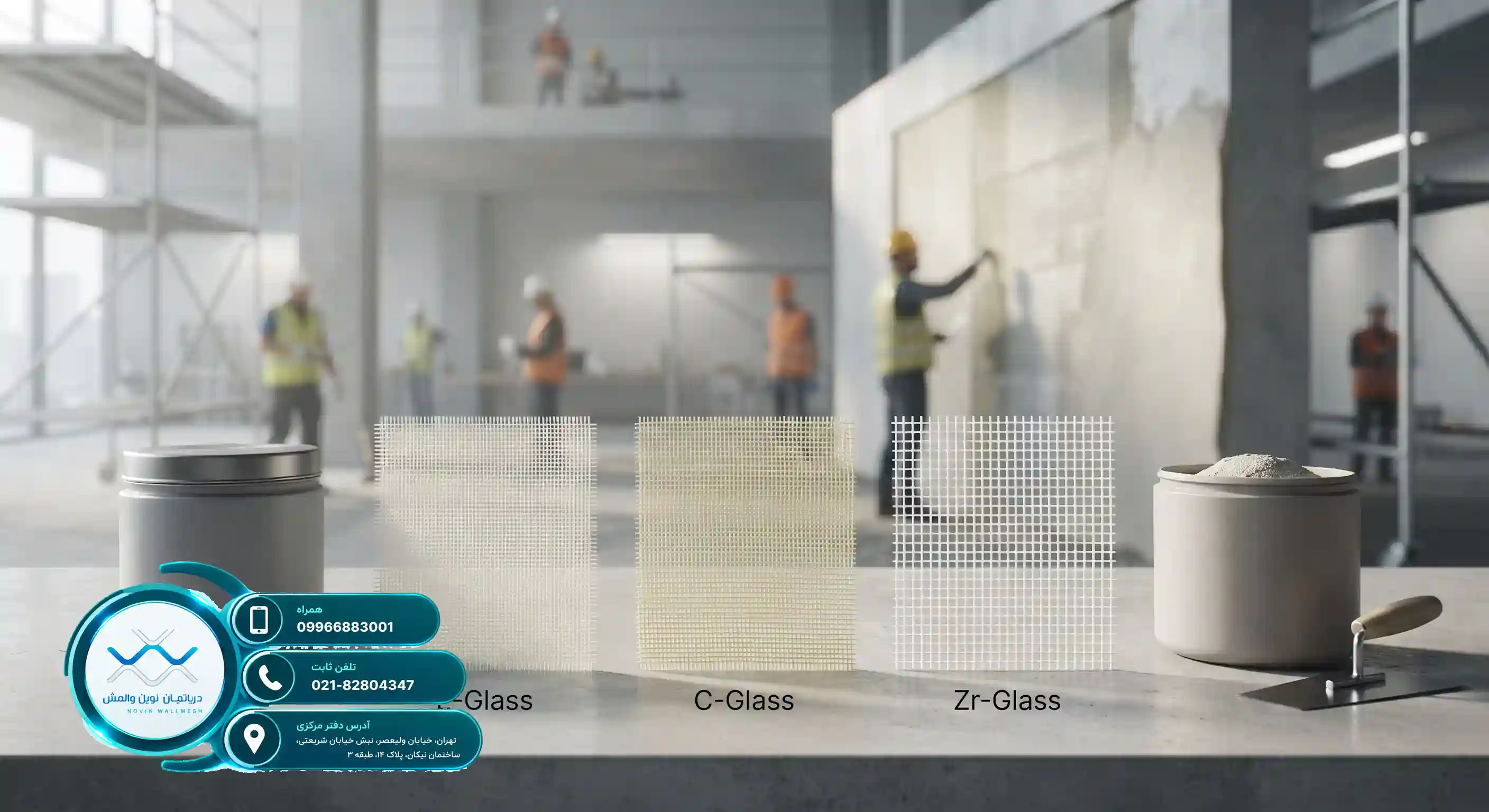
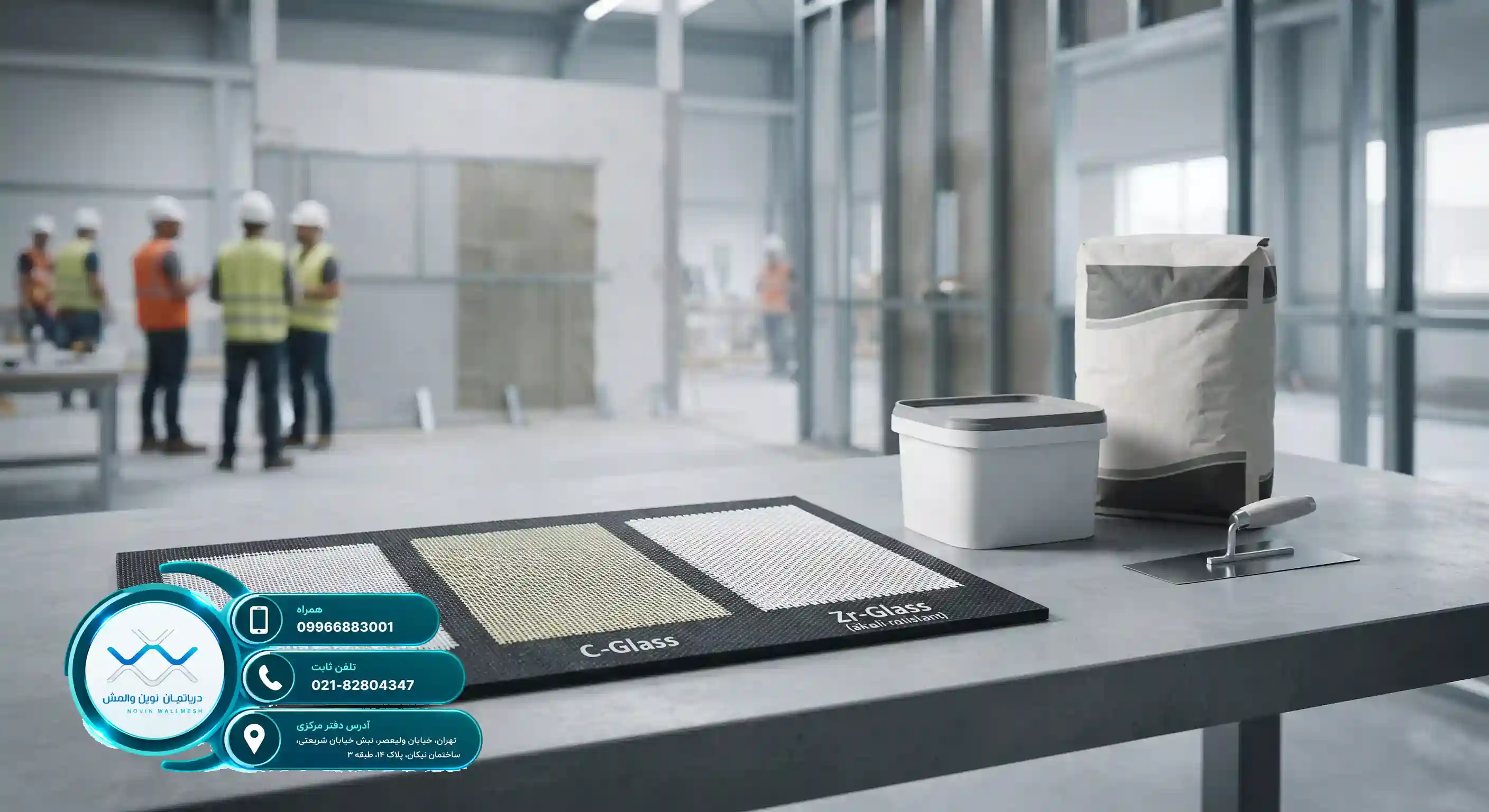
هسته اصلی سیستم نوین وال مش را شبکههای الیافی تشکیل میدهند. این مشها با داشتن مقاومت کششی بالا، نقش تسلیحکننده را به خوبی ایفا میکنند. شرکت تارسازه با ارائه سبد کاملی از این محصولات، نیازهای پروژههای مختلف را پوشش میدهد. از جمله این محصولات میتوان به مش فایبرگلاس E-Glass، مش C-Glass و مش مقاوم در برابر محیطهای قلیایی یعنی Zr-Glass اشاره کرد.
انتخاب نوع مش ارتباط مستقیمی با شرایط محیطی پروژه دارد. برای محیطهای با رطوبت بالا یا مجاورت با مواد شیمیایی، استفاده از الیاف با پوشش زیرکونیا (Zr-Glass) الزامی است تا از تخریب الیاف در بلندمدت جلوگیری شود. در پروژههای عمومی نیز الیاف E-Glass تارسازه کارایی عالی و اقتصادی از خود نشان میدهند.
مقایسه کاربردی انواع مش فایبرگلاس تارسازه
| نوع مش | ویژگی اصلی | کاربرد پیشنهادی |
|---|---|---|
| E-Glass | مقاومت کششی استاندارد و قیمت اقتصادی | دیوارهای داخلی و پروژههای مسکونی معمولی |
| C-Glass | مقاومت شیمیایی مناسب | محیطهای صنعتی و کارگاهی |
| Zr-Glass | مقاومت بالا در برابر محیطهای قلیایی و سیمان | نماهای خارجی و دیوارهای در معرض رطوبت |
نکات اجرایی در هنگام نصب این مشها بسیار حیاتی است. همپوشانی کافی در محل اتصال نوارهای مش، رعایت ابعاد چشمهها و کشش مناسب الیاف بر روی سطح دیوار، تضمینکننده عملکرد صحیح لرزهای سازه خواهد بود. مهندسان مجری باید همواره دستورالعملهای فنی سازنده را به دقت رعایت نمایند.
Guide to Choosing the Best Materials for the Modern Wall Mesh Project
Guide to Choosing the Best Materials for the Modern Wall Mesh Project
A Modern Revolution in the Construction Industry with the Modern Wall Mesh Approach
In recent years, Iran's construction industry has witnessed dramatic changes in safety standards and seismic design regulations. Non-structural, infill, and perimeter walls have always been among the most vulnerable parts of a building during an earthquake. Traditional methods, such as heavy metal wall posts, in addition to imposing a heavy dead load on the structure, incurred exorbitant costs. Meanwhile, the concept of modern wall mesh was introduced as an alternative and engineered technology that imparts an integrated and flexible performance to the wall using fiberglass mesh and special plasters.
At Tarsازه, relying on up-to-date technical knowledge, we offer standard solutions for reinforcing non-structural walls. Choosing the right materials in this system plays a key role in the durability, continuity, and seismic behavior of the structure. The use of advanced reinforcement systems allows engineers to significantly upgrade the building's safety factor without unduly increasing the structural weight. This approach not only prevents thermal cracking and sagging, but also prevents sudden destruction and debris collapse during natural crises.
To become more familiar with the executive principles and engineering foundations of this system, reading global specialized resources such as Modern Wall Mesh Fiberglass Mesh is well worth the time, as they endorse modern standards of composite material consumption. Supervising engineers and structural designers should note that the principled implementation of this system requires a precise understanding of the physical and mechanical specifications of all its constituent components, including the mesh, plaster, and bonding epoxy adhesives.
- Significant reduction in the building's dead load compared to traditional metal wall posts
- High execution speed and no need for heavy welding operations on-site
- Excellent compatibility with various clay, cement, and AAC block materials
- Extraordinary resistance to thermal stresses and environmental humidity changes
Based on engineering evaluations, the modern wall mesh system has transformed the future of building safety. Employing this technology not only fulfills the requirements of Chapter 4 and Chapter 10 of the National Building Regulations, but also brings peace of mind to residents. In the following sections, we will examine each component of this efficient system in detail so you can make a more informed choice.
A Deep Understanding of Fiberglass Mesh as the Beating Heart of Modern Wall Mesh
The core and reinforcing element in the modern wall mesh system is the mesh or grid network known as fiberglass mesh. This product is produced in a wide variety, each with its specific application. Choosing the type of mesh directly depends on the project conditions, the magnitude of lateral loads, and the type of plaster used. To better understand this topic, it is suggested to read the specialized article on the Comprehensive Guide to Retrofitting Non-Structural Walls with Wall Mesh to become familiar with more technical details.
In Tarsazeh's product portfolio, various fiberglass meshes including E-Glass, C-Glass, and Zr-Glass samples are offered with the highest quality standards. E-Glass type meshes are used for common construction projects, while alkali-resistant meshes, i.e., Zr-Glass, are considered the best option for alkaline environments and cement plasters. Recognizing these differences helps engineers choose materials with a long lifespan.
| Fiberglass Mesh Type | Main Characteristics | Major Application in Modern Wall Mesh |
|---|---|---|
| Tarsazeh E-Glass | High tensile strength, optimal flexibility | Interior walls and gypsum plasters |
| Tarsazeh C-Glass | Good chemical resistance, cost-effective | General projects and dry environments |
| Tarsazeh Zr-Glass | Alkali-resistant (Anti-Alkali) | Exterior facade and cement plasters |
According to research published on the reputable website Modern Wall Mesh Fiberglass Mesh, using glass fibers with an alkali-resistant coating can increase the lifespan of composite systems by more than several decades. This technical advantage has enabled structural designers to utilize this modern technology with peace of mind.
The correct choice of the fiberglass grid guarantees the uniform distribution of seismic stresses and prevents the formation of hairline cracks on the wall surface.
Observing mesh aperture dimensions and standard grammage upon purchase are vital points that contractors must consider. By offering standard products, Tarsazeh has paved the way for the flawless execution of projects.