الدلیل الشامل لشراء المواد الأصلیة لتنفیذ لیاسة وال مش
الدلیل الشامل لشراء المواد الأصلیة لتنفیذ لیاسة وال مش

لماذا یُعد اختیار المواد الأصلیة أمراً بالغ الحیویة فی نظام وال مش؟
فی السنوات الأخیرة، أصبحت أنظمة تدعیم الجدران غیر الإنشائیة الحدیثة جزءاً لا یتجزأ من الهندسة الإنشائیة. یعتمد التنفیذ السلیم لهذه الأنظمة مباشرة على جودة المواد المستخدمة. عندما یتعلق الأمر بـ لیاسة وال مش، یدرک المهندسون والمنفذون ذوو الخبرة أن أی إهمال فی اختیار شبکة الألیاف الزجاجیة أو الملاط المناسب یمکن أن یضع الأداء الإنشائی للجدار بأکمله موضع تساؤل.
تؤکد قسم نوین وال مش (Novin Wall Mesh)، التی تتمتع بسنوات من الخبرة اللامعة فی مجال تقدیم حلول التدعیم الحدیثة، باستمرار على استخدام المواد القیاسیة. یرتکز هیکل وال مش على تفاعل ثلاثة أجزاء رئیسیة وهی: شبکة الألیاف الزجاجیة، لاصق الإیبوکسی أو أدوات التثبیت، واللیاسة (القاعدیة الأسمنتیة أو الجبسیة). إذا لم یحظَ حتى أحد هذه الأجزاء بالجودة المطلوبة، فسیتعرض النظام بأکمله لانهیار مبکر تحت الأحمال الجانبیة مثل الزلازل.
الدور الرئیسی لللیاسة فی تکامل الجدار
لیاسة الطبقة السطحیة فی نظام وال مش لیست مجرد طبقة تجمیلیة أو تسویة، بل تتولى مسؤولیة نقل القوى الواردة من شبکة الألیاف الزجاجیة إلى جسم الجدار. إن استخدام المواد الأصلیة والمصممة هندسیاً یضمن امتصاص الإجهادات الحراریة والمیکانیکیة بشکل جید ویمنع ظهور الشقوق الشعریة أو العمیقة. لفهم التفاصیل الفنیة بشکل أفضل، نتقترح علیک إلقاء نظرة على الدلیل الشامل لتفاصیل تنفیذ حسابات وال مش لتتعرف بشکل أکبر على الحسابات الدقیقة لهذا النظام.
فی مشاریع البناء الکبیرة، لا سیما فی الأبراج والفنادق، تتضاعف أهمیة هذا الموضوع. عادة ما یلجأ المهندسون الاستشاریون لمشاریعهم البارزة إلى دلیل شراء وال مش للفنادق والأبراج من أجل الالتزام بمعاییر الأمان الصارمة. إن اختیار المواد الأصلیة هو الضامن لمتانة واستقرار البناء فی مواجهة الزلازل.
وفقاً للمعاییر الدولیة لصناعة البناء، فإن استخدام المواد المعتمدة من قبل الجهات العالمیة المرموقة مثل لیاسة الجبس وال مش یساعد المصممین على ضمان الأداء طویل الأمد للنظام.
التعرف الدقیق على أنواع شبکات الألیاف الزجاجیة
تُعرف شبکة الألیاف الزجاجیة بأنها القلب النابض لنظام وال مش والتی تکبح قوى الشد الناجمة عن الزلازل. تقدم قسم نوین وال مش أنواعاً مختلفة من هذا المنتج بأعلى جودة، ویسلط کل منها الضوء على خصائصه الخاصة. یعتمد اختیار الشبکة المناسبة تماماً على الظروف البیئیة، نوع الجدار، ومقدار الأحمال الواردة.
تنقسم شبکات الألیاف الزجاجیة بشکل عام إلى ثلاث فئات رئیسیة: E-Glass و C-Glass و Zr-Glass. یتمتع نوع E-Glass بمقاومة ممتازة للشد وهو مثالی للاستخدامات الإنشائیة العامة. بینما یتمتع نوع C-Glass بمقاومة عالیة للبیئات الحمضیة والکیمیائیة، ویُعد نوع Zr-Glass (المقاوم للقلویات) الخیار الأفضل للبیئات الخرسانیة القلویة وملاط الأسمنت.
المیزات الشکلیة والفنیة للشبکة الأصلیة
للتمییز بین الشبکة الأصلیة والأنواع المقلدة ردیئة الجودة فی السوق، یجب الانتباه إلى عدة عوامل رئیسیة:
- الوزن القیاسی والحقیقی لکل وحدة مساحة (الجراماج)
- أبعاد الفتحات (Mesh Size) المنتظمة وخالیة من العقد
- طبقة إیبوکسی أو مقاومة للقلویات (AR) لمنع التآکل
- مرونة مناسبة وعدم تفکک الألیاف أثناء الترکیب
وفقاً للأبحاث المنشورة من قبل الشرکات الرائدة فی صناعة البناء مثل لیاسة الجبس وال مش، فإن استخدام شبکات الألیاف الزجاجیة القیاسیة یسهم بشکل کبیر فی تقلیل الشقوق السطحیة وزیادة مطیلیة الجدران الفاصلة.
Zero-to-Hundred Guide to Calculating Wall Mesh Project Prices

Introduction to the Modern Wall Reinforcement System
In recent years, significant changes have been made in the seismic design codes of structures, obligating engineers to implement stricter regulations for restraining non-structural walls. Meanwhile, the wall mesh system is recognized as a modern, safe, and economical alternative to traditional steel wall posts. Accurate understanding of the factors affecting wall mesh price is one of the first steps for employers and structural designers to properly budget for their projects. Guide to Buying Wall Mesh for Under-Construction Projects can help you procure the required materials with the highest quality and most optimal cost during the early stages of structural implementation.
Due to their weight, need for costly welding, and high time wastage, traditional systems have gradually given way to polymeric fiber meshes. Accurate cost estimation requires examining all the components making up this system, including fiberglass mesh, plaster, and installation tools. Knowing these components gives you a comprehensive perspective to control the final project costs.
At Novin Wall Mesh Department, utilizing the most up-to-date technical knowledge, we strive to provide the best engineering solutions at the most appropriate cost to construction industry activists. Accurate evaluation of wall dimensions, types of consumed materials, and execution conditions are among the main steps in determining the final price.
Key Factors in Financial Project Estimation
To accurately calculate costs, we must first know what a complete system consists of. The finished price of the project is a combination of material costs and execution wages. Generally, raw materials include fiberglass mesh (in various types such as Tarsazeh E-Glass Fiberglass Mesh), mineral plaster (gypsum or cement), and mechanical fasteners, each of which accounts for a specific share of the costs.
The table below shows a general comparison of each section's share in execution costs:
| Row | Project Components | Approximate Share of Total Cost | Description |
|---|---|---|---|
| 1 | Fiberglass Mesh | 35% to 45% | Varies depending on weight and fiber type (E-Glass, C-Glass, or Zr-Glass). |
| 2 | Plaster (Gypsum/Cement) | 30% to 35% | For covering the fibers and creating wall adhesion and integration. |
| 3 | Fasteners and Installation Tools | 10% to 15% | Includes angles, wall plugs, and connection devices to beams and columns. |
| 4 | Labor Wages | 15% to 20% | Depends on the skill of the execution team and workshop conditions. |
It is essential to note that the quality of consumed materials directly affects the lifespan of the system, and quality should not be sacrificed for lower initial costs.
Comprehensive Buying Guide for Wholesale Wall Mesh at the Best Price
Comprehensive Buying Guide for Wholesale Wall Mesh at the Best Price
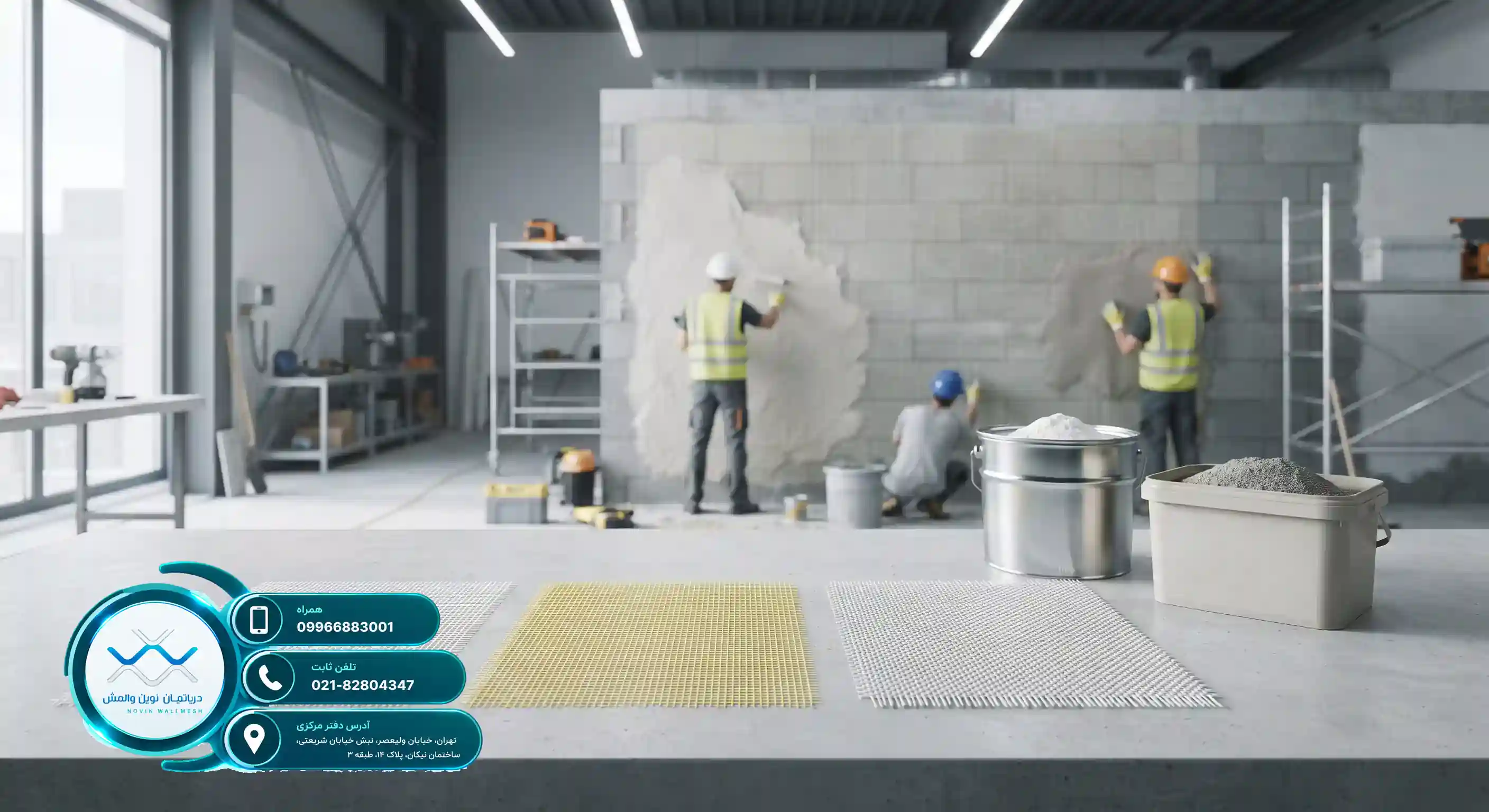
The Role of Modern Systems in Structural Safety
In the modern construction industry, safety against earthquakes and natural disasters is of paramount importance. Non-structural walls, serving as partition components, require precise reinforcement and retrofitting. Reviewing the wall mesh price helps engineers and contractors optimize their civil project budgeting. The use of standard equipment significantly increases building stability against lateral loads.
For renovation and restoration projects of older urban fabrics, studying the wall mesh buying guide for renovation projects can pave the way for more precise choices. Structural engineers always seek a balance between quality and operational costs to implement the highest level of safety at the lowest cost.
According to reports published in the specialized reference non-structural wall retrofitting with wall mesh, the use of engineered glass fibers has become a highly suitable alternative to traditional metal methods, reducing the dead weight of the building.
Why Cost Management Matters in Civil Engineering Projects
Controlling building material procurement costs is one of the primary concerns for project managers. Awareness of factors influencing market fluctuations helps wholesale buyers make their purchases at the best possible time. For more information on this subject, reading the article construction wall mesh price and market fluctuation factors is recommended.
- Increasing durability and lifespan of non-structural walls
- Significant reduction in execution costs compared to traditional wall posts
- Facilitating the execution process and reducing project timelines
Familiarity with Practical Products in the Modern Wall Mesh Department
For wholesale procurement of retrofitting materials, a precise understanding of the system's constituent components is very important. Fiberglass mesh, as the primary reinforcement element, is manufactured in various types, each having its own specific characteristics. The correct choice of product will have a direct impact on the final wall mesh price of the project.
The Modern Wall Mesh Department collection has been able to cover the diverse needs of supervising engineers and builders by providing high-quality products. The table below provides a brief comparison among various types of fiberglass meshes:
| Product Type | Main Feature | Wholesale Application |
|---|---|---|
| E-Glass Mesh | Standard tensile strength | Regular residential and commercial projects |
| C-Glass Mesh | High chemical resistance | Humid and corrosive environments |
| Zr-Glass Mesh | Excellent resistance to alkaline environments | Facades and heavy concrete surfaces |
In addition to fiberglass mesh, using suitable plaster plays a complementary role in the integrated performance of the wall. The cement-based plaster and gypsum plaster produced in this collection create extraordinary adhesion between the mesh and the wall substrate.
The Role of Plaster in the Wall Reinforcement System
Plasters act as force transfer matrices. The choice of plaster type (gypsum or cement) is determined based on the environmental conditions of the project and can influence the overall cost estimation.

