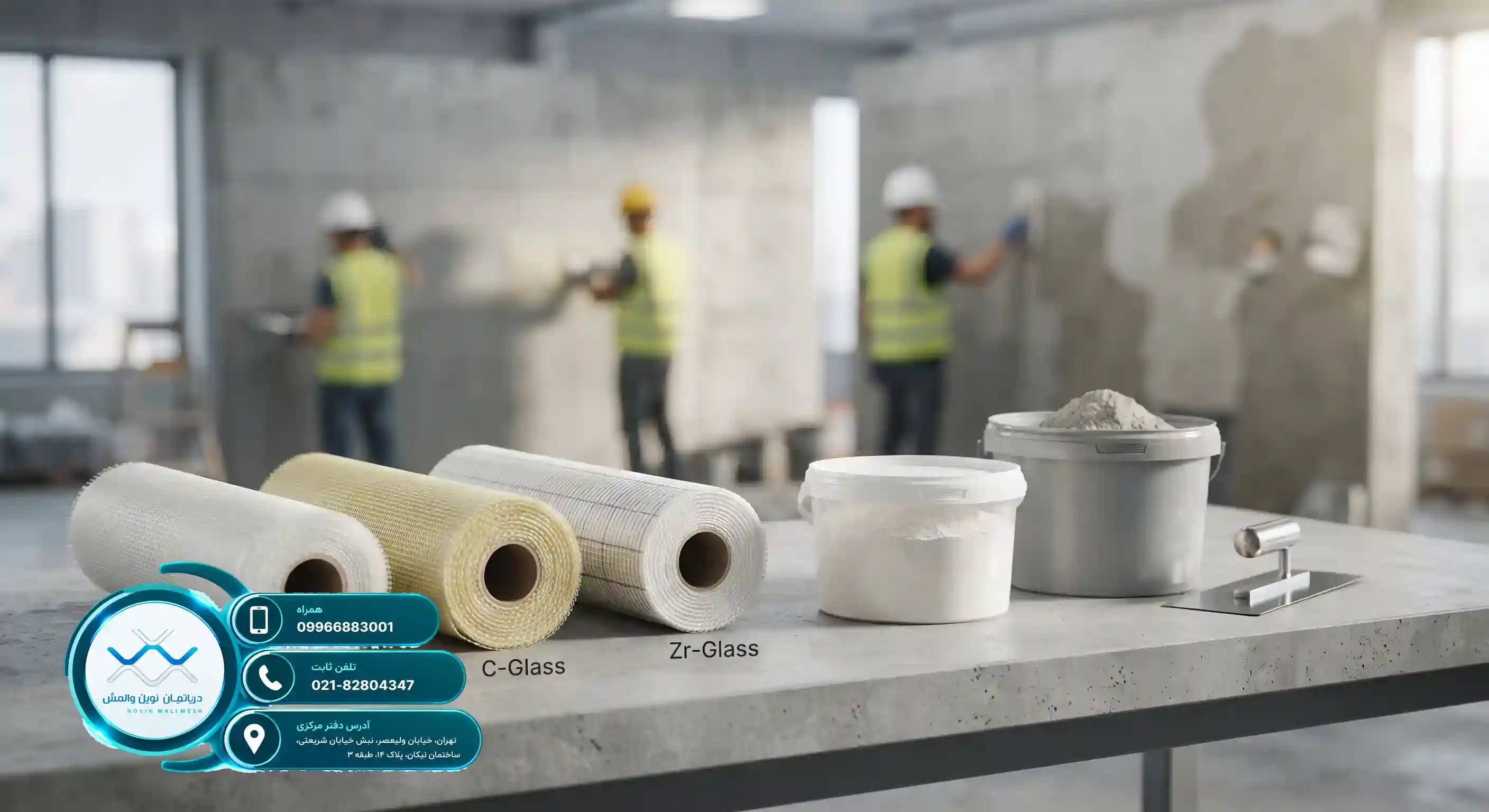
Review of Wall Mesh Standards and Executive Regulations in Iran
Review of Wall Mesh Standards and Executive Regulations in Iran
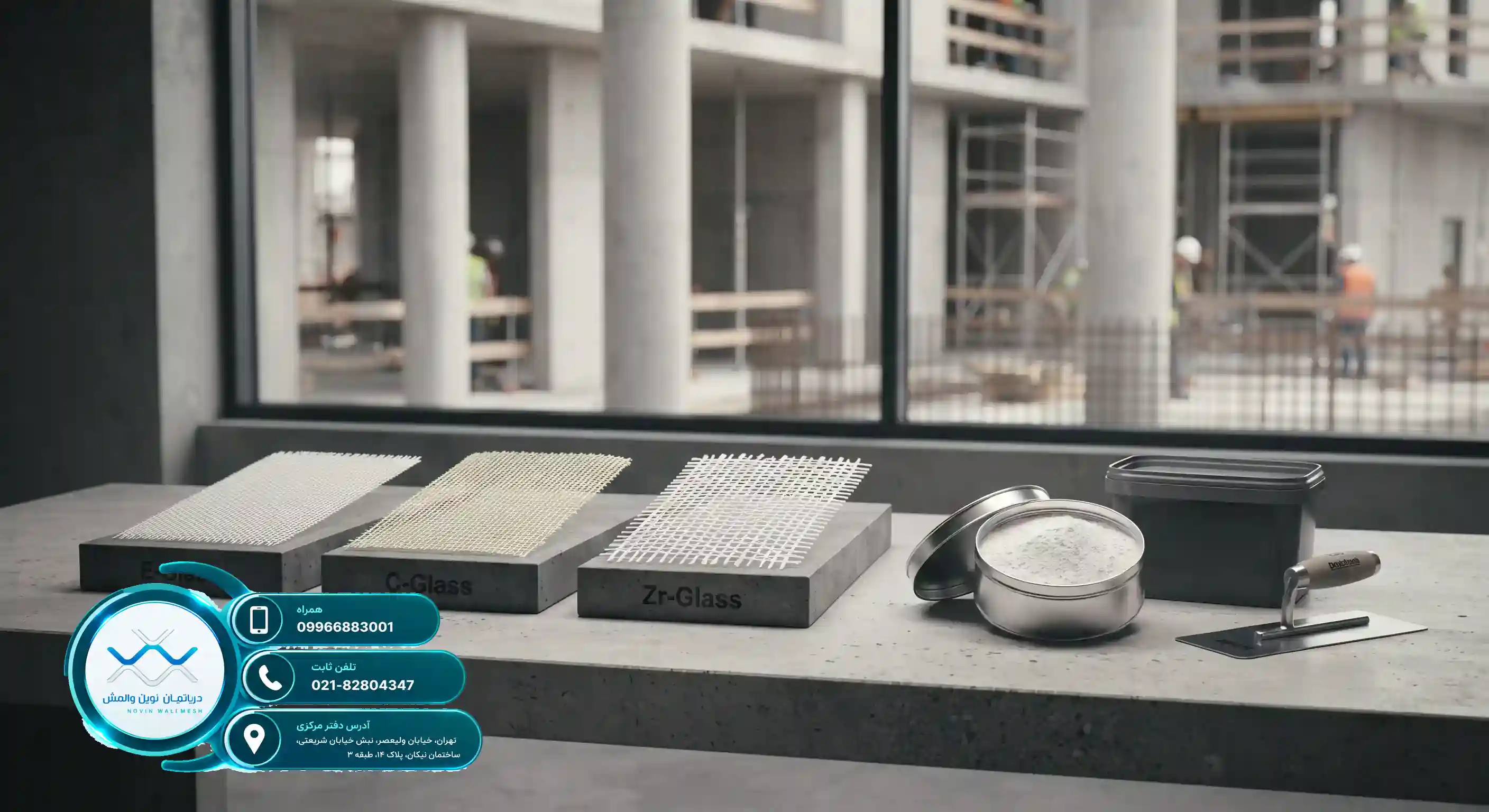
Introduction to the Importance of Retrofitting Non-Structural Walls
In recent years, the focus of civil engineers and structural designers has turned toward improving the seismic performance of buildings. Past destructive earthquakes have demonstrated that a major portion of financial and human losses stems from the collapse of infill and non-structural walls. Amidst this, the wall mesh technology is recognized as one of the most efficient methods for restraining these walls. The use of this modern system serves as a suitable alternative to traditional metal wall-posts and can significantly enhance the seismic behavior of the structure.
The Modern Wall Mesh Department strives to elevate safety standards in the construction industry by offering engineered products. Wall reinforcement systems utilizing high-quality fiberglass meshes and special plasters create an integrated structure that exhibits high resistance against lateral earthquake forces. To better understand these regulations, reading the Review of Appendix VI Executive Regulations in Wall Mesh Calculations will be highly enlightening.
The Role of Non-Structural Walls in Earthquake Crises
Although perimeter and internal walls are not considered primary load-bearing elements of the structure, they possess considerable weight and suffer serious damage during an earthquake. The phenomenon of improper wall connection to columns and beams often leads to diagonal cracking or total wall collapse. The use of modern technologies such as retrofitting and reinforcing non-structural walls ensures uniform stress distribution across the wall surface and prevents sudden destruction.
Furthermore, a meticulous examination of the technical properties of the raw materials used is of utmost importance. For instance, in international standards such as external facade systems, similar to what is discussed in wall mesh in the EIFS system, protective layers play a key role in structural durability.
The Position of Codes in the Design of Wall Reinforcement Systems
Compliance with national and international standards and regulations is mandatory in the execution of any construction project. Chapters 8 and 10 of the National Building Regulations, as well as the special provisions of Appendix VI of Standard 2800, heavily emphasize the necessity of seismic restraint for non-structural walls. Design engineers are obligated to calculate the lateral loads imposed on the wall and prepare wall mesh execution details strictly in accordance with these guidelines.
Fully aware of regulatory requirements, the Modern Wall Mesh Department produces products that completely comply with the current regulations of the country. For an informed choice of materials, familiarizing oneself with the review of European standards in purchasing wall mesh can serve as a very useful guide for engineers and project executors to maximize execution quality.
Compliance with International Material Quality Standards
In addition to domestic regulations, conformity with reputable global standards such as ASTM guarantees the durability and optimal performance of products. Parameters such as tensile strength, elongation at break, and the alkali resistance rate of fiber meshes are detailed in these standards. Designers can gain more precise information regarding the technical specifications of raw materials by studying the article on reviewing ASTM standards in the wall mesh buying guide.
Additionally, modern executive techniques utilized in similar global industries, such as the developed standards in the field of wall mesh in the EIFS system, all testify to the importance of protective and reinforcement coatings against environmental factors and dynamic loads.
الدور الأساسی لشبکة الألیاف الحدیثة (وال مش) فی تحسین عملیة شراء أنظمة وال مش الهندسیة
الدور الأساسی لشبکة الألیاف الحدیثة (وال مش) فی تحسین عملیة شراء أنظمة وال مش الهندسیة
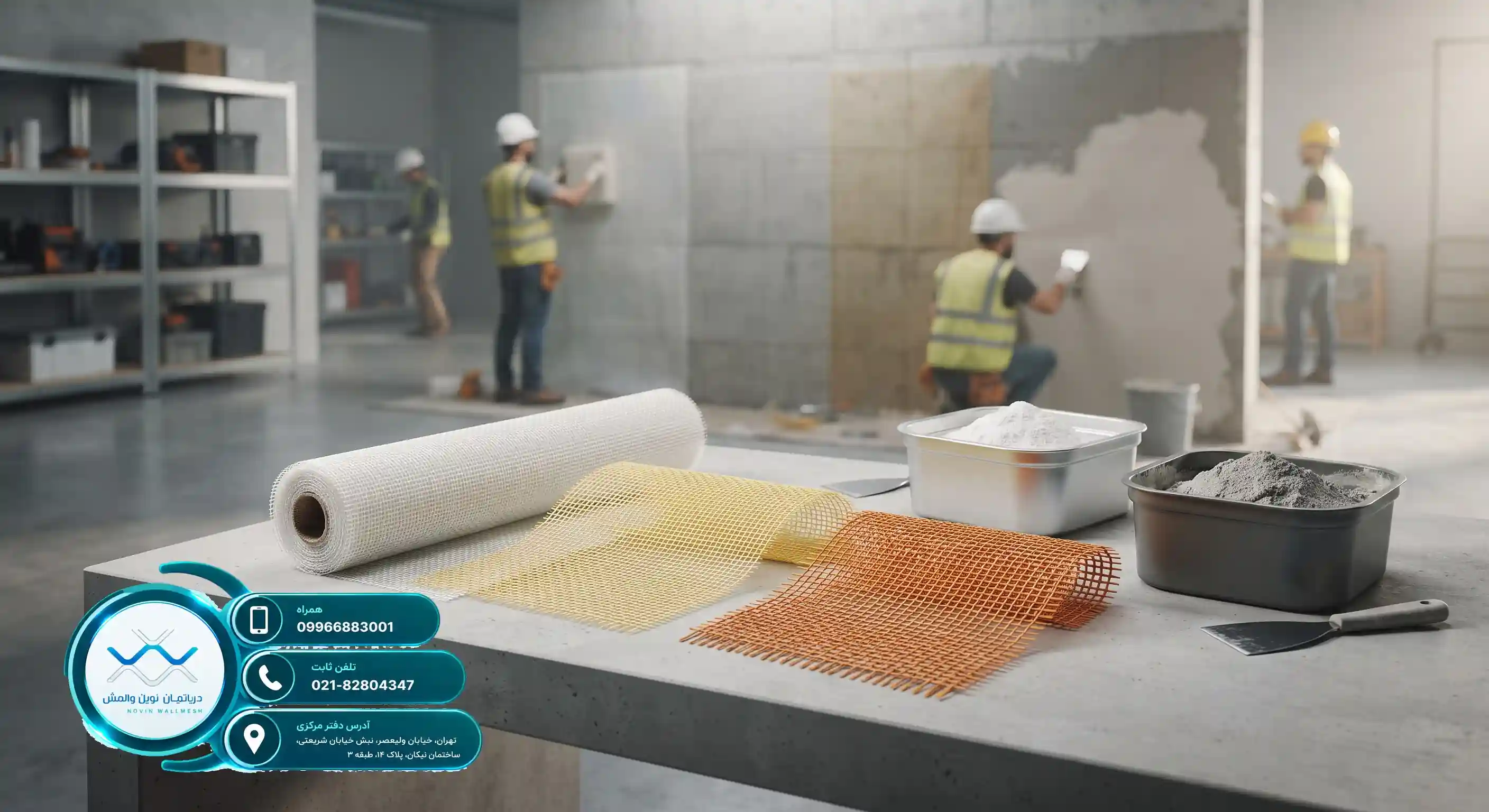
تحول جذری فی سلامة الهنادس
فی عالم الهندسة المدنیة الیوم، تحظى حمایة العناصر غیر الإنشائیة للمبانی ضد الزلازل بأهمیة خاصة. لقد کانت الجدران الحشویة والقواطع، باعتبارها عناصر غیر إنشائیة، عرضة للخطر دائماً أثناء حدوث الزلازل. یعد استخدام أنظمة تسلیح الجدران الحدیثة الحل الرئیسی للمهندسین لمنع الأضرار الجانبیة والمادیة. وفی هذا السیاق، یُعرف شراء وال مش کأحد أکثر الطرق کفاءة واقتصادیة بدیلة لرکائز الجدران التقلیدیة، والتی توفرها دائرة وال مش الحدیثة بأعلى المعاییر الهندسیة.
تتطلب عملیة اتخاذ القرار لاختیار المواد المناسبة فهماً دقیقاً للخصائص المیکانیکیة، ونوع الألیاف، ومدى توافقها مع اللوائح التنفیذیة. یبحث المهندسون المشرفون ومصممو الهیاکل دائماً عن منتجات توفر سرعة تنفیذ عالیة بالإضافة إلى خفة وزن المبنى. تؤثر جودة المواد المستخدمة فی هذه الأنظمة بشکل مباشر على الأداء الزلزالی للهیکل.
لماذا حلت الأنظمة الحدیثة محل الطرق التقلیدیة؟
غالباً ما کانت الطرق التقلیدیة لتقیید الجدران تصاحبها العدید من المشکلات التنفیذیة مثل اللحام غیر الکامل والوزن الزائد والتکالیف العالیة الإضافیة. وفقاً للبحوث المسجلة فی مجال هندسة الزلازل، فإن استخدام الشبکات المرکبة یحافظ على مرونة الهیکل ویقلل من ترکیز الإجهاد. ولهذا السبب أصبح الیوم شراء وال مش الهندسی أحد الأولویات الرئیسیة للمقاولین المحترفین.
- انخفاض کبیر فی الوزن المیت للمبنى مقارنة برکائز الجدران المعدنیة الثقیلة
- سرعة تنفیذ عالیة جداً وخفض تکالیف العمالة
- توافق ممتاز مع مختلف أنواع اللیاسة والمصالح البناء الشائعة
- أداء متکامل تحت الأحمال الجانبیة والزلازل
إن الاختیار الواعی للمواد الهندسیة یضمن استقرار ومتانة المبنى ضد الکوارث الطبیعیة وله دور مباشر فی تقلیل الخسائر المحتملة.
الدور الحیوی لشبکة الألیاف الزجاجیة فی تسلیح الجدران
القلب النابض لنظام وال مش هو شبکة الألیاف الزجاجیة أو ما یسمى بشبکة الألیاف الزجاجیة. یتم إنتاج هذه المنتجات فی أنواع مختلفة تم تصمیم کل منها لظروف بیئیة وهندسیة خاصة. فی دائرة وال مش الحدیثة، یتم توفیر ثلاث فئات رئیسیة تشمل شبکة الألیاف الزجاجیة E-Glass، وشبکة الألیاف الزجاجیة C-Glass، وشبکة الألیاف الزجاجیة Zr-Glass، والتی یعتبر الفهم الدقیق لها أمراً ضروریاً للشراء الأمثل.
یعتمد اختیار نوع الشبکة کلیاً على ظروف المشروع بما فی ذلک درجة الرطوبة البیئیة، ونوع اللیاسة (جبسیة أو أسمنتیة)، وتوقعات تحمل الأحمال. على سبیل المثال، تعتبر الشبکات المقاومة للبیئات القلویة (AR أو Zr-Glass) خیاراً مثالیاً للبیئات الرطبة والاستخدام مع اللیاسة الأسمنتیة.
الخصائص الفنیة والتطبیقیة لأنواع شبکات الألیاف الزجاجیة
تُستخدم شبکات E-Glass على نطاق واسع فی مشاریع البناء التقلیدیة نظراً لخصائصها المیکانیکیة الممتازة وسعرها المعقول. من ناحیة أخرى، تُظهر الشبکات التی تحتوی على الزرکونیا مقاومة فائقة للتفاعلات الکیمیائیة للملاط الأسمنتی.
- شبکة E-Glass: مناسبة للجدران الداخلیة والمشاریع السکنیة القیاسیة
- شبکة C-Glass: مقاومة کیمیائیة مطلوبة واستقرار مناسب ضد العوامل البیئیة
- شبکة Zr-Glass: مقاومة عالیة للبیئات القلویة واللیاسة ذات القاعدة الأسمنتیة
- تنوع فی أبعاد الفتحات والأوزان لتلبیة الاحتیاجات الهندسیة المختلفة
عند الشروع فی شراء وال مش، فإن الاهتمام بالخصائص الفنیة لجدول بیانات الشرکة المصنعة له أهمیة بالغة لاختیار منتج یتناسب تماماً مع الأحمال المتوقعة فی المخطط.
Technical Comparison of Wall Mesh and Traditional Wall Post in Buildings
Technical Comparison of Wall Mesh and Traditional Wall Post in Buildings
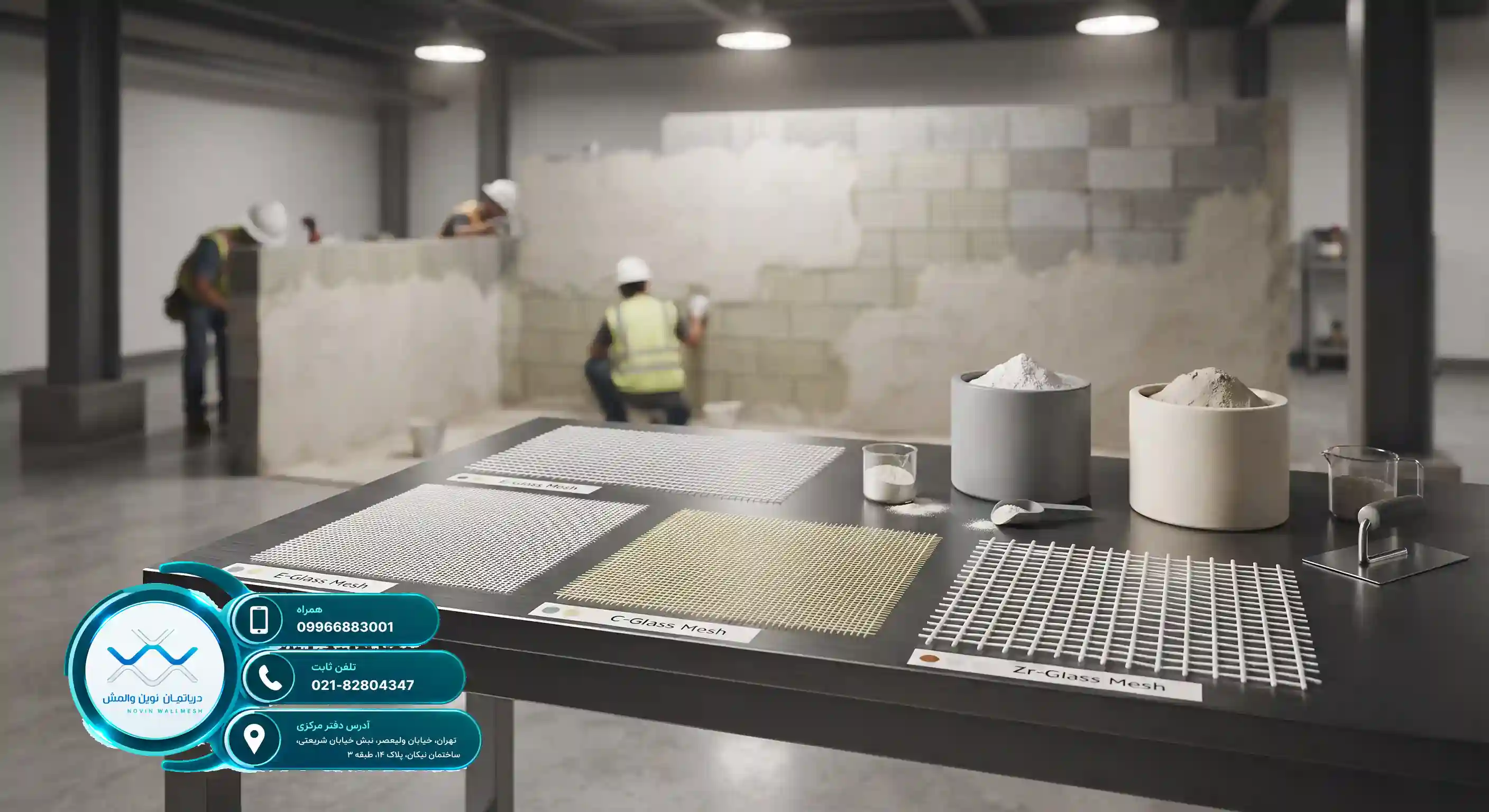
A Modern Transformation in Structural Engineering and Seismic Bracing
In the modern construction industry, earthquake safety extends beyond the main building skeleton, and the bracing of non-structural components has become critically important. Perimeter and interior walls, which make up a major part of the building's facade, suffer serious damage during an earthquake. Traditional methods such as angle bracing and metallic wall posts have long been recognized as standard solutions, but high costs and execution complexity have driven engineers toward alternative technologies. The wall mesh system is considered an advanced engineering solution, serving as an economical and efficient alternative to traditional methods.
Traditional Challenges in Bracing Non-Structural Walls
The use of steel profiles and heavy welding in metallic wall posts increases the structural dead load and creates point vulnerabilities. In addition, material diversity and improper execution can disrupt wall integrity. Principled retrofitting requires materials that are simultaneously lightweight, flexible, and resistant.
The Novel Wall Mesh Department has revolutionized this field by providing high-quality fiberglass meshes and standard plasters. Careful reviews show that choosing the right materials not only reduces execution costs but also significantly increases project implementation speed.
- Increased safety against earthquakes
- Reduction of structural dead load
- Facilitation of the execution process
What is a Traditional Wall Post and How is it Executed?
A traditional wall post is a set of steel channel, box, or tee profiles connected to the concrete or steel skeleton of the building using welding, bolts, and mechanical connections. The main purpose of these components is to integrate the wall and prevent it from collapsing during an earthquake. However, precise execution of this system requires high skill from the execution crew and continuous quality control.
Weaknesses of Traditional Metallic Systems
One of the biggest disadvantages of traditional wall posts is the creation of thermal bridges and interference with finishing operations. Also, workshop welding increases human errors and, if proper anti-rust coating is not used, it will be prone to corrosion and rusting. To better understand the economic differences, reading the article Price Difference Between Fire-Resistant Wall Mesh and Regular Mesh in the Construction Market is very insightful.
| Feature | Traditional Metal Wall Post | Wall Mesh System |
|---|---|---|
| Material Weight | Heavy (High dead load) | Very lightweight |
| Need for Welding | Required (High) | None or negligible |
| Execution Speed | Slow | Fast and easy |
In large projects, the cost of purchasing iron and welding wages account for a large portion of the budget, which can be saved by replacing them with modern methods.