سیویل دپ

تولید کننده انواع مش های ساختمانی

سیویل دپ

تولید کننده انواع مش های ساختمانی

Guide to Estimating Wall Mesh Prices in Residential Projects

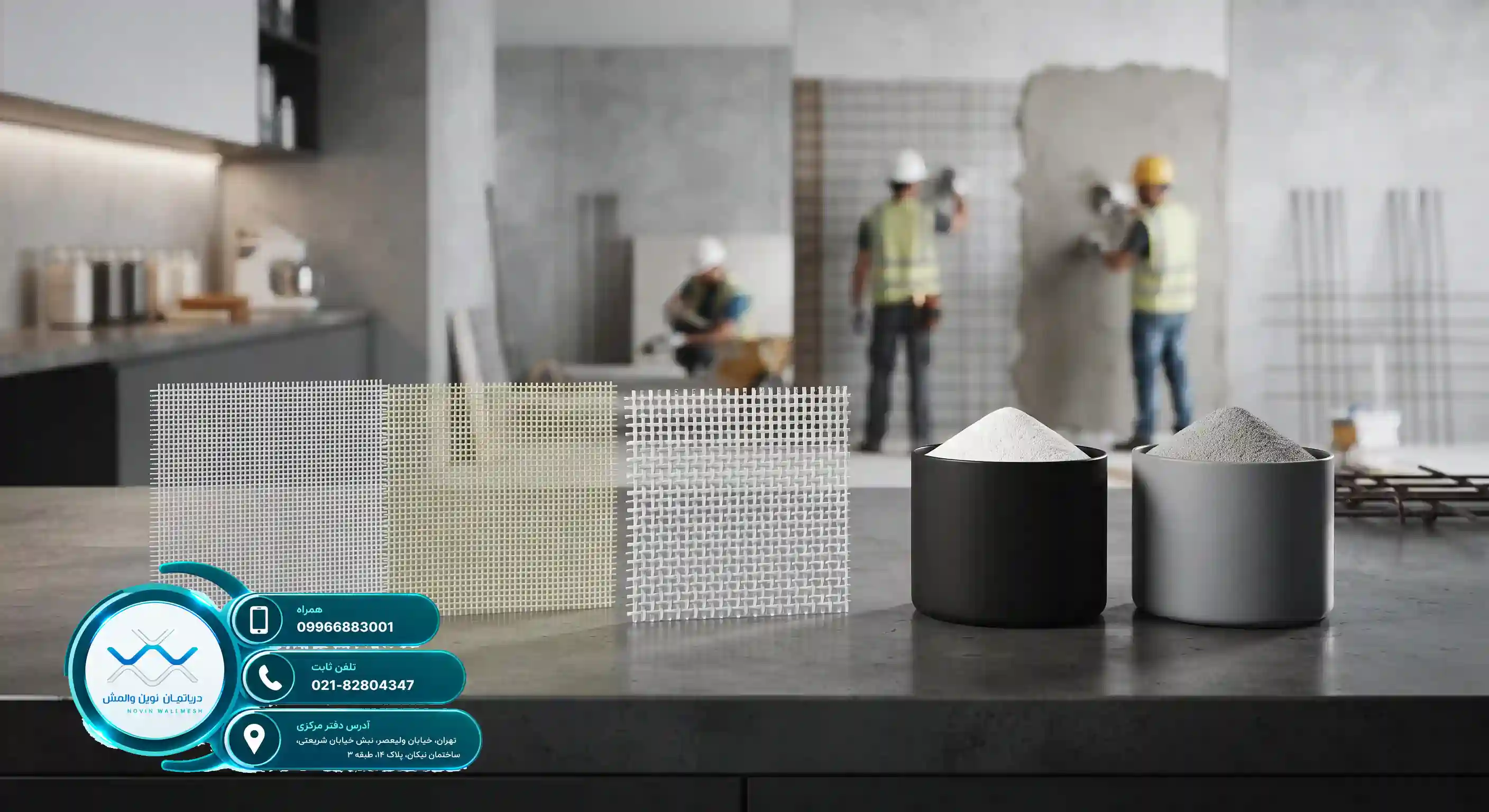
Guide to Estimating Wall Mesh Prices in Residential Projects


The Vital Role of Wall Mesh in the Safety of Modern Residential Structures

Non-structural walls and infill panels constitute a large portion of a residential building's volume, exhibiting high vulnerability during an earthquake. Using modern reinforcement systems like wall mesh price is one of the primary concerns of supervising engineers, employers, and builders. This technology is recognized as a modern alternative to traditional metal wall posts, offering faster execution speeds in addition to reducing the building's dead load. In this comprehensive article, we will endeavor to examine the hidden and apparent angles of cost estimation.

Why Do Project Costs Fluctuate?

To better understand this topic, we must know why wall mesh prices vary in different projects and what parameters affect them. The variety of consumable materials, project dimensions, layer thickness, and specialized execution crew wages are among the variable factors. According to international standards, similar reinforcement systems are also used in exterior facades and insulation; for example, examining similar technologies in wall mesh in the EIFS system shows how effective composite material integrity is in the ultimate durability of the structure.

We at the Modern Wall Mesh Department, by providing standard and engineered products, strive to deliver the highest level of quality at the most appropriate costs for our esteemed employers. Correctly selecting raw materials such as high-quality fiberglass meshes is a long-term investment that guarantees the safety of residents.


Analysis of Cost Components

The final calculation of the wall mesh price depends on multiple elements, each of which has a specific share in the final invoice. Generally, the cost of implementing this system includes the purchase of fiberglass mesh, specialized adhesive or plaster (gypsum or cement-based), L-shaped or discontinuous channel profiles, and the wages of specialized manpower. The higher the floor height or the more complex the execution details required, the more the costs will change accordingly.

The Role of Material Technical Specifications in Price Determination

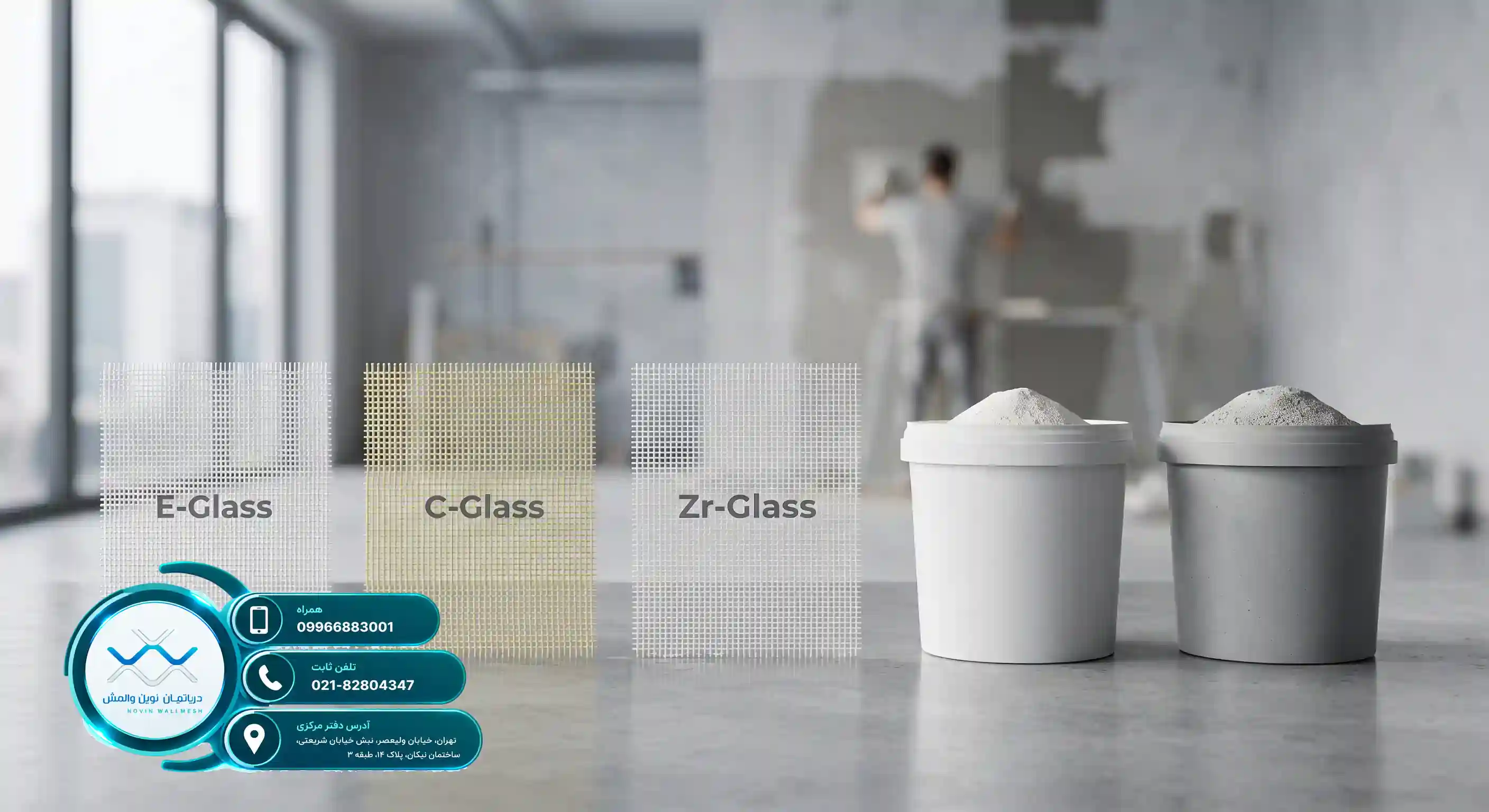
The type of fiber consumed plays a direct role in determining costs. Fiberglass meshes are produced in various types such as E-Glass, C-Glass, and Zr-Glass, which have different alkali and tensile resistances. To become more familiar with the principles of correctly selecting these products, reading the comprehensive guide to buying wall mesh for residential buildings is recommended. Furthermore, utilizing modern wall implementation systems in civil engineering requires strict adherence to details, examples of which can be clearly observed in global standards such as wall mesh in the EIFS system.

Effective FactorImpact on CostSupplementary Explanations
Fiberglass Mesh TypeHighAnti-alkali reflection meshes (Zr) are more expensive and durable.
Plaster Type ConsumedMediumSpecialized cement-based and gypsum-based plasters have different prices.
Wall Height and AreaHighLarger projects usually benefit from economies of scale.


                                    <div class= Guide to Estimating Wall Mesh Pr

چگونه قیمت وال‌ مش را در پروژه کاهش دهیم؟

چگونه قیمت وال‌ مش را در پروژه کاهش دهیم؟


چگونه قیمت وال‌ مش را در پروژه کاهش دهیم؟


مدیریت مالی پروژه‌های ساختمانی با رویکرد نوین

مدیریت هزینه‌ها در صنعت ساخت‌وساز همواره یکی از دغدغه‌های اصلی کارفرمایان و مهندسان ناظر بوده است. در سال‌های اخیر، سیستم‌های مقاوم‌سازی دیوارهای غیرسازه‌ای دستخوش تغییرات بنیادینی شده‌اند. روش‌های سنتی مانند نبشی‌کشی اگرچه همچنان مورد استفاده قرار می‌گیرند، اما به دلیل وزن بالا، مصرف فولاد زیاد و زمان‌بر بودن، هزینه‌های سرسام‌آوری را به پروژه تحمیل می‌کنند. در این میان، استفاده از فناوری قیمت وال‌ مش به عنوان یک جایگزین استاندارد و بهینه مطرح شده است که می‌تواند نقش بسزایی در کاهش هزینه‌های کلی سازه ایفا کند.

ما در دپارتمان نوین وال مش با ارائه راهکارهای تخصصی تلاش می‌کنیم تا تعادلی پایدار میان ایمنی مهندسی و توجیه اقتصادی ایجاد نماییم. بررسی دقیق عوامل مؤثر بر هزینه‌ها، نیازمند شناخت عمیق اجزای تشکیل‌دهنده این سیستم است. برای درک بهتر این موضوع، پیشنهاد می‌کنیم مقاله مرتبط با چرا قیمت وال‌ مش در پروژه‌های مختلف متفاوت است؟ را مطالعه فرمایید تا با دلایل نوسانات بازار آشنا شوید.

اهمیت بهینه‌سازی اقتصادی در مهندسی سازه

هر پروژه ساختمانی دارای بودجه مشخصی است و مهندسان موظفند با حفظ ایمنی کامل، هزینه‌ها را در چارچوب بودجه نگه دارند. سیستم‌های نوین تسلیح دیوار، با حذف المان‌های فلزی دست‌وپاگیر، بار مرده ساختمان را کاهش داده و در نتیجه هزینه‌های اجرای فونداسیون و اسکلت را نیز به صورت غیرمستقیم تعدیل می‌کنند. توجه به این نکات کلیدی، گام اول در مسیر کاهش هزینه‌های اجرایی است.


مهندسی ارزش و تحلیل دقیق مقادیر مصالح

یکی از اساسی‌ترین راه‌های کاهش هزینه‌ها در اجرای سیستم‌های مقاوم‌سازی، تکیه بر محاسبات دقیق مهندسی است. اگر طراحی بر اساس ضوابط آیین‌نامه‌ای و بهینه‌سازی شده انجام شود، از هدررفت مصالح گران‌قیمت جلوگیری خواهد شد. برای مطالعه بیشتر در این زمینه، می‌توانید به مقاله چگونه هزینه‌ها را با محاسبات وال مش کاهش دهیم؟ مراجعه کنید که جزئیات فنی بیشتری را ارائه می‌دهد.

استفاده از مش‌های فایبرگلاس با گرماژ مناسب، بر اساس ارتفاع و طول دیوار، مانع از بیش‌مصرفی (Over-design) می‌شود. به عنوان مثال، استفاده از مش‌های نامناسب یا بیش از حد سنگین، بدون اینکه کارایی سازه‌ای را به طور معناداری افزایش دهد، هزینه تمام‌شده پروژه را به شدت بالا می‌برد. بنابراین، همکاری با تیم‌های طراحی مسلط به ضوابط، یک سرمایه‌گذاری هوشمندانه محسوب می‌شود.

انتخاب درست اجزای سیستم تسلیح

سیستم کامل شامل مش فایبرگلاس (مانند نمونه‌های E-Glass یا Zr-Glass) به همراه پلاستر مناسب است. انتخاب هوشمندانه این اجزا متناسب با شرایط اقلیمی و نوع دیوار، تأثیر مستقیمی بر بهینه‌سازی هزینه‌ها دارد. در برخی پروژه‌ها، مشابه سیستم‌های پیشرفته عایق‌کاری حرارتی نظیر فناوری‌های معرفی شده در وال‌مش در سیستم EIFS، هماهنگی لایه‌های پلاستر و شبکه الیاف به بالاترین بهره‌وری می‌رسد.


                                    <div class= چگونه قیمت وال‌ مش را در پروژه ک

Comparison of Gypsum-Based and Cement-Based Plasters in Standard Wall Mesh Plaster Installation

Comparison of Gypsum-Based and Cement-Based Plasters in Standard Wall Mesh Plaster Installation
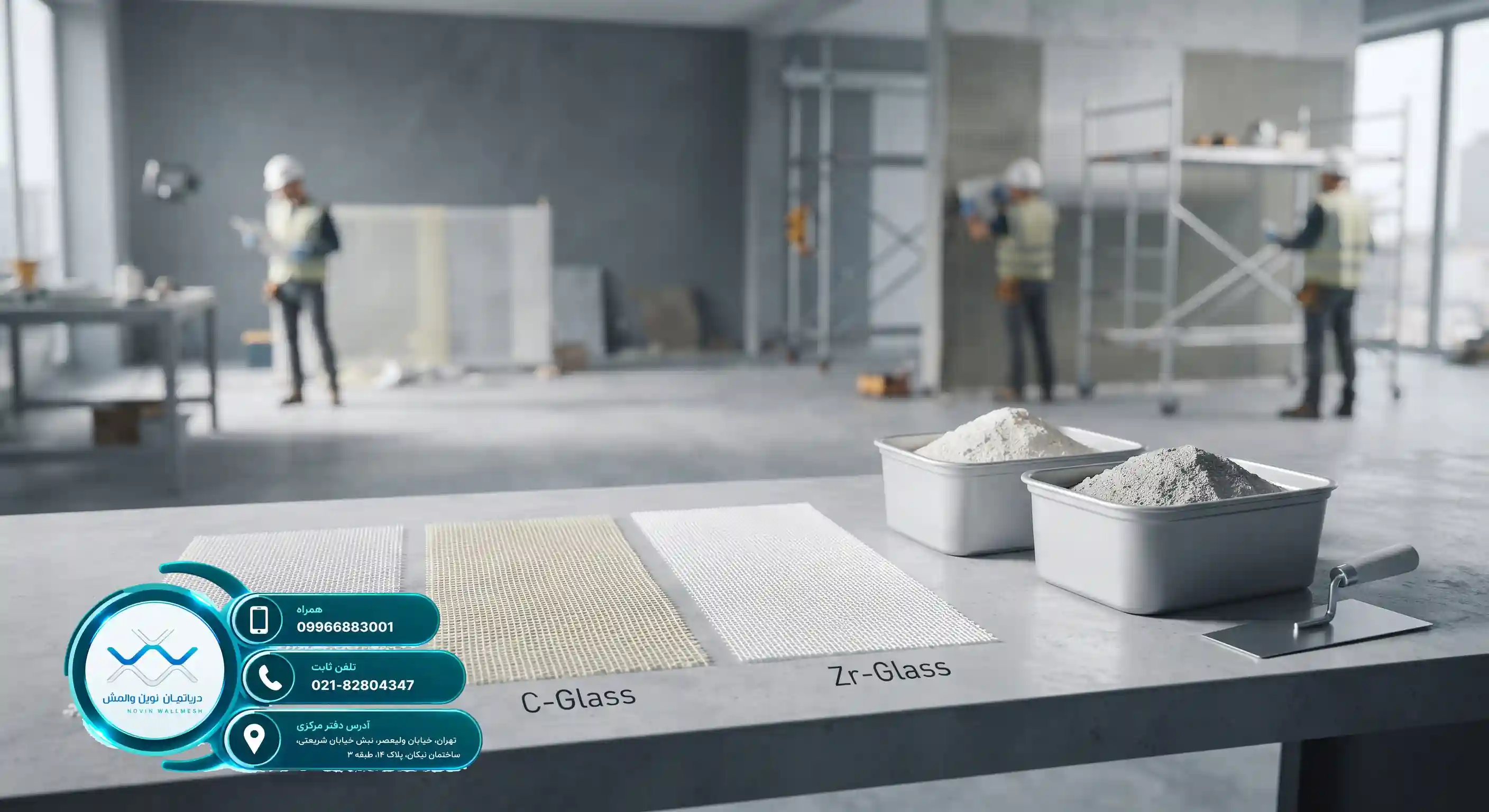

Comparison of Gypsum-Based and Cement-Based Plasters in Standard Wall Mesh Plaster Installation


The Vital Role of Coatings in Modern Retrofitting Systems

In today's world of civil and structural engineering, securing non-structural walls against lateral forces such as earthquakes is of paramount importance. Modern wall reinforcement systems, generally known as wall mesh, have created a remarkable revolution in this field. However, the optimal performance of a wall mesh plaster system is not limited only to the quality of the fiberglass mesh; rather, the type of final coating, or the plaster itself, plays a highly decisive role in force transfer, functional integration, and structural durability. Engineers and designers continuously face the challenge of whether to use gypsum-based plaster or cement-based plaster. Answering this question requires a careful examination of mechanical specifications, project environmental conditions, and regulatory codes.

At the Novin Wall Mesh Department, with years of experience in retrofitting and providing engineered products such as fiberglass meshes and various plasters, we believe that the conscious choice of materials can maximize structural efficiency. Incorrect plaster selection can lead to local cracking, reduced bonding between the mesh and the wall substrate, and ultimately a drop in system performance during crises. For this reason, in this comprehensive article, we intend to provide an in-depth and technical comparison of these two widely used plaster types so that supervising engineers, qualified contractors, and respected employers can make the best decision.

Traditional and obsolete wall anchoring systems, such as heavy steel angles, have given way today to lighter and more flexible methods. As an alternative solution, wall mesh reduces the dead load of the building and gives the wall a more ductile behavior. However, for the glass fiber grid to engage with the wall in the best possible manner, it requires a sturdy and compatible substrate provided by the appropriate plaster. In the following, we will examine the various dimensions of this vital choice under the microscope.


Nature and Applications of Gypsum Plaster in Wall Mesh Installation

Gypsum-based plaster is one of the most common coating materials in interior building spaces, widely popular due to its high application speed and very smooth, polished surfaces. When this material is used in the execution of wall mesh plaster, its mechanical behavior must be analyzed with precision. As a fast-setting material, gypsum provides a suitable substrate for dry spaces and imposes less weight on the structure compared to cement samples. However, the chemical properties of gypsum dictate that it should be used in specific and limited applications.

According to technical investigations conducted in reputable international sources such as wall mesh gypsum plaster, the use of polymer-modified gypsums can create better adhesion with fiberglass fibers. Nevertheless, the biggest weakness of gypsum plaster is its extreme sensitivity to moisture. In humid environments or spaces where water infiltration is likely, the gypsum structure suffers from severe strength loss and disintegration. For this reason, design engineers strongly recommend that this type of plaster be used exclusively in interior, dry walls away from moisture sources so that the durability of the system is not compromised.

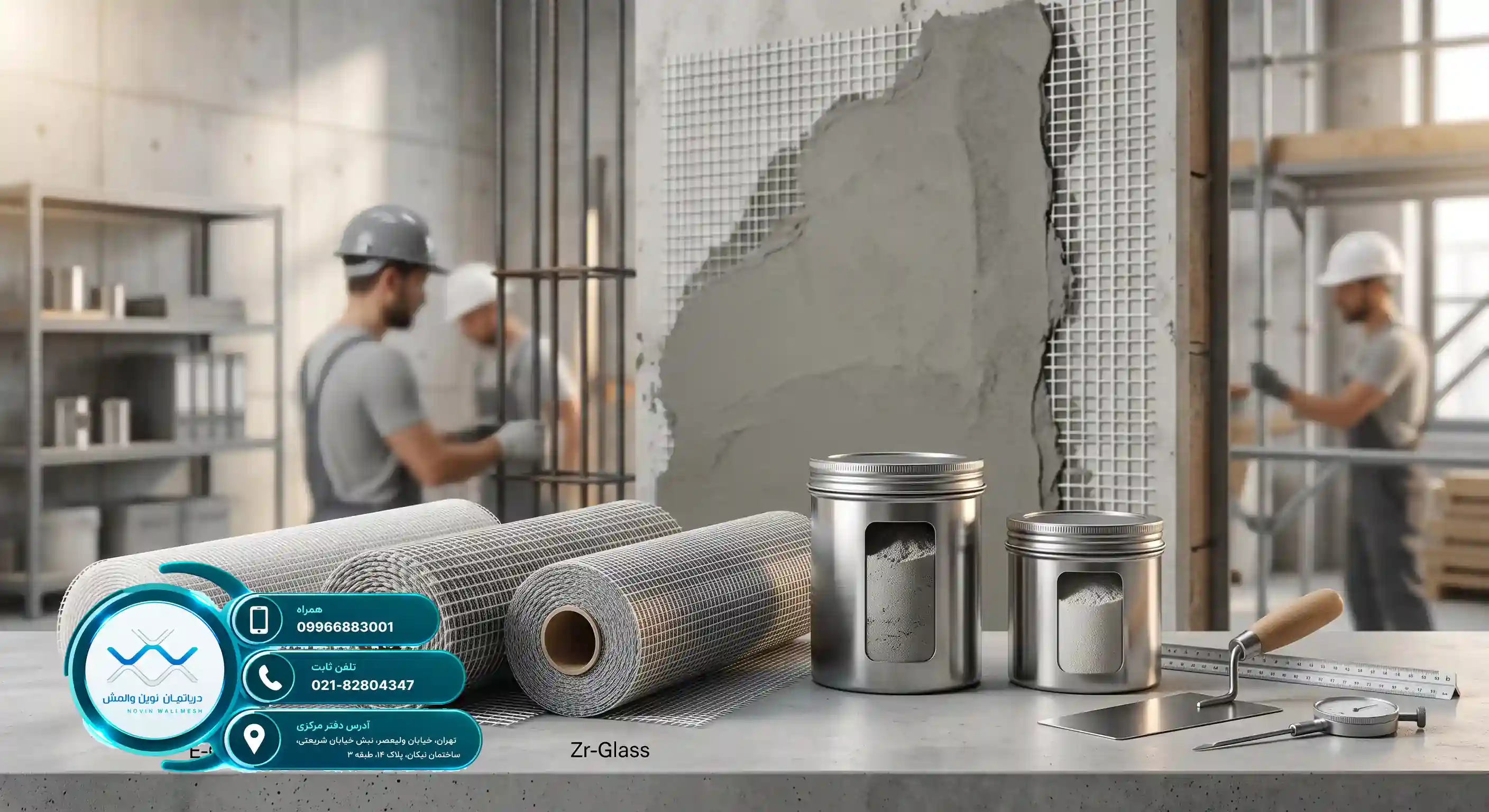
On the other hand, the high setting speed of gypsum plaster allows execution teams to complete projects in a shorter time, which is economically important for mass developers. However, high speed should not cause quality control requirements to be overlooked. The substrate surface must be free of any contamination so that the gypsum mortar can form a favorable molecular and mechanical bond with the fiber grid. Below, we will examine the comparative table of the physical properties of these materials in more detail.
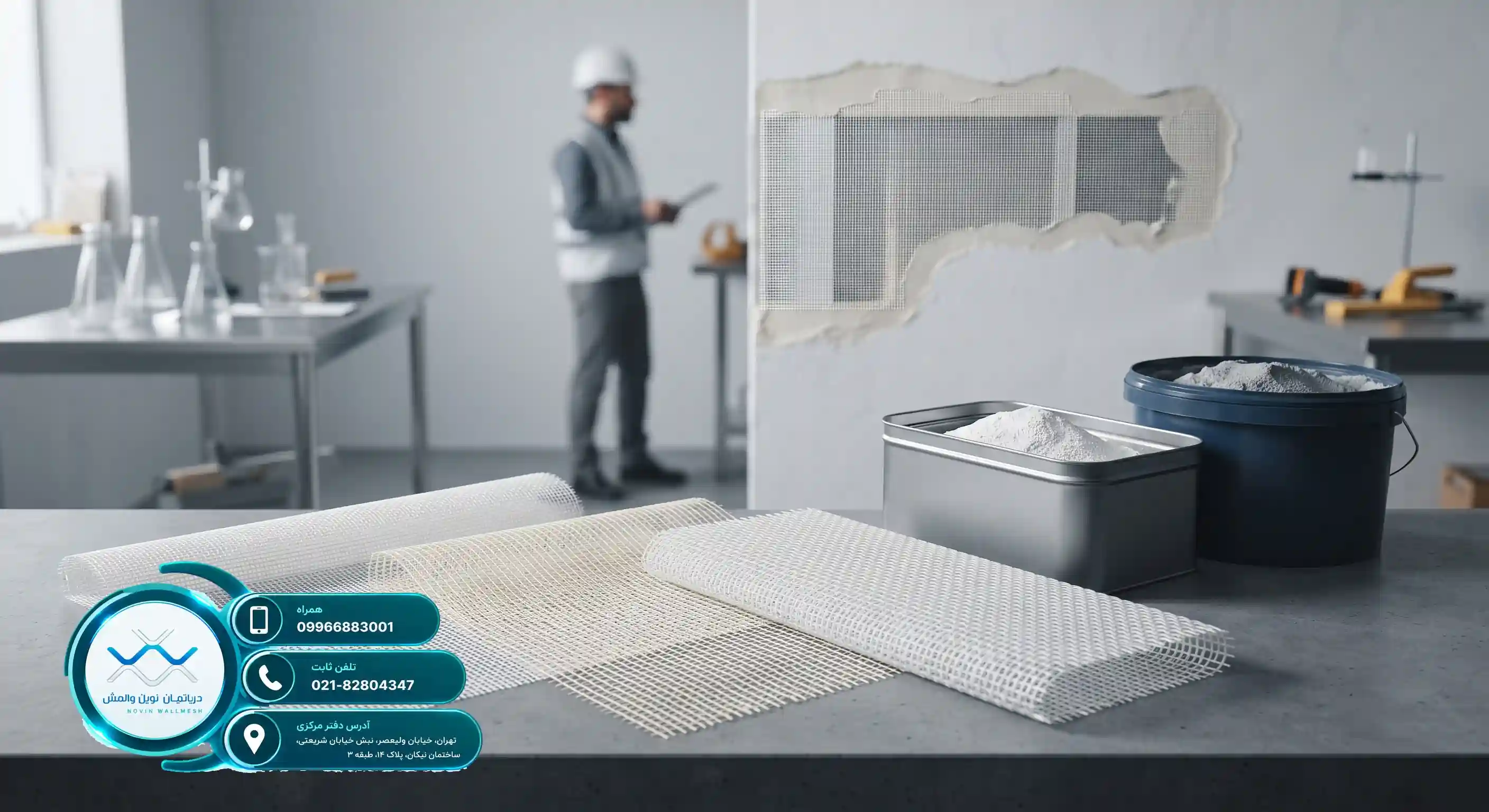


                                    <div class= Comparison of Gypsum-Based and C

Rasaweb

تحلیل نوسانات قیمت وال‌ مش در بازار مصالح

تحلیل نوسانات قیمت وال‌ مش در بازار مصالح


تحلیل نوسانات قیمت وال‌ مش در بازار مصالح


بررسی جامع بازار مصالح و نوسانات قیمت وال‌ مش

بازار مصالح ساختمانی در سال‌های اخیر شاهد تغییرات و نوسانات قیمتی چشمگیری بوده است. در این میان، قیمت وال‌ مش به عنوان یکی از نوین‌ترین و کارآمدترین راهکارهای مقاوم‌سازی دیوارهای غیرسازه‌ای، تحت تأثیر عوامل متعددی قرار دارد. مهندسان و مجریان پروژه‌های ساختمانی همواره به دنبال راهی برای پیش‌بینی هزینه‌ها و انتخاب بهینه‌ترین مصالح هستند. در دپارتمان نوین وال مش، تلاش می‌کنیم تا با ارائه محصولات استاندارد، شفافیت لازم را در بازار ایجاد کنیم.

نوسانات نرخ ارز، هزینه مواد اولیه وارداتی و تغییرات تعرفه‌های گمرکی از جمله دلایل اصلی بی‌ثباتی قیمت‌ها در این حوزه به شمار می‌روند. برای درک بهتر این تغییرات، بررسی دقیق اجزای تشکیل‌دهنده سیستم وال‌مش از جمله توری فایبرگلاس، پلاسترها و نوارهای اتصال امری ضروری است. در ادامه به تحلیل دقیق‌تر این عوامل خواهیم پرداخت.

اهمیت پیش‌بینی نوسانات نرخ مصالح مدرن

پیمانکاران و سازندگان مسکن نیازمند برنامه‌ریزی دقیق مالی هستند. نوسانات شدید می‌تواند بر بودجه‌بندی کلروژکت تأثیر منفی بگذارد. به همین دلیل، آگاهی از روندهای بازار و تحلیل تکنیکال و فاندامنتال قیمت مصالح مهندسی اهمیت ویژه‌ای دارد. شناخت عوامل درونی و بیرونی بازار کمک می‌کند تا تصمیمات بهتری در زمان خرید اتخاذ شود.


تأثیر کیفیت مواد بر قیمت وال‌ مش

یکی از اساسی‌ترین عوامل تعیین‌کننده قیمت وال‌ مش، کیفیت مواد اولیه به کار رفته در تولید توری فایبرگلاس است. نوع الیاف شیشه، میزان مقاومت کششی و چگالی توری از جمله پارامترهای فنی هستند که مستقیماً روی بهای تمام‌شده تأثیر می‌گذارند. برای اطلاعات بیشتر می‌توانید مقاله تخصصی نقش نوع رزین مصرفی در نوسانات قیمت وال‌ مش را مطالعه کنید.

در دپارتمان نوین وال مش، محصولات متنوعی نظیر مش فایبرگلاس E-Glass، مش فایبرگلاس C-Glass و مش فایبرگلاس Zr-Glass عرضه می‌شوند که هرکدام کاربرد و محدوده قیمتی متفاوتی دارند. به عنوان مثال، توری‌های ضد قلیا با پوشش زیرکونیوم به دلیل دوام بالاتر در محیط‌های قلیایی بتن و ملات، قیمت بالاتری نسبت به نمونه‌های معمولی دارند.

مقایسه عملکردی انواع توری‌های فایبرگلاس

نوع مشویژگی اصلیسطح قیمت
E-Glassمقاومت عمومی مناسباقتصادی
C-Glassمقاومت شیمیایی خوبمتوسط
Zr-Glassمقاومت عالی در برابر قلیابالا

انتخاب آگاهانه نوع مش بر اساس نیاز پروژه، از هدررفت سرمایه جلوگیری کرده و ایمنی سازه را تضمین می‌نماید.


                                    <div class= تحلیل نوسانات قیمت وال‌ مش در با

Rasaweb
0 نظر

Advantages of Using Wall Mesh Plaster Compared to Traditional Wall Posts


Advantages of Using Wall Mesh Plaster Compared to Traditional Wall Posts


A Modern Revolution in the Construction Industry and Earthquake Engineering

In recent years, Iran's construction industry has witnessed dramatic changes in safety standards and seismic design codes. One of the most vulnerable parts during an earthquake is infill and non-structural walls, which faced numerous problems in traditional methods. The use of wall mesh plaster as an advanced engineering solution has become a very suitable substitute for cumbersome traditional systems. In this comprehensive article, we intend to closely examine the advantages of this modern technology compared to traditional wall posts and analyze its technical dimensions.

To better understand the position of this technology, reviewing non-structural wall retrofitting with wall mesh as an international reference demonstrates how much composite systems have been able to improve the seismic performance of structures. At the Novin Wall Mesh Department, efforts are made to provide the highest level of safety for buildings by utilizing high-quality materials such as fiberglass meshes and specialized plasters.

Traditional Challenges and the Need to Transition to Modern Systems

Old methods of implementing wall posts using steel profiles (channels, box sections, and I-beams), in addition to imposing heavy economic costs, had numerous execution disadvantages including hazardous welding, high dead load, and poor continuity with wall materials. In contrast, the wall mesh system minimizes these concerns by evenly distributing stresses and using composite materials. The intelligent selection of materials and comparing types of mesh and wall mesh prices for proper implementation in structures helps contractors choose the most economical yet standard option.


Fundamental Differences in Nature and Structural Performance

When discussing the comparison between traditional wall posts and wall mesh plaster, the first point that catches the eye is the method of connection and engagement of reinforcement elements with the wall body. In metallic wall posts, connection to the main structure is done through welding or angle irons, which are prone to stress concentration and local failure during an earthquake. However, in the wall mesh system, the fiberglass mesh is fixed onto the wall surface using plaster, creating an integrated composite behavior.

To prove the efficiency of this method, studies published in non-structural wall retrofitting with wall mesh indicate that systems based on cement matrices and glass fibers significantly increase the shear and flexural resistance of walls. The table below provides a quick comparison between these two methods:

Evaluation FeatureTraditional Wall Post (Metallic)Wall Mesh Plaster System
Structural Dead LoadHeavy and increases gravity loadVery light and optimized
Execution SpeedSlow (requires cutting and welding)Fast and easy
Final CostHigh (due to daily steel prices)Economical and cost-effective
Continuity with the WallWeak and point-basedComplete, continuous, and surface-based

Executive Advantages in Construction Workshops

High execution speed is one of the main concerns of large-scale developers. By eliminating heavy welding operations, removing the need for continuous rust-proofing of profiles, and offering high adaptability with various clay, cement, and leca blocks, the wall mesh system noticeably reduces project execution time.


⚖️ Structural and Executive Comparison of Traditional Wall Posts and the Modern Wall Mesh Plaster System


Economic Analysis and Return on Investment in Construction

One of the most important parameters in the decision-making of employers and consulting engineers is the economic justification of retrofitting plans. At first glance, it might seem that preparing specialized materials such as fiberglass mesh and gypsum or cement plaster is costly, but taking a holistic view of the hidden costs of traditional wall posts (including steel waste, high welding wages, executive waste, and time consumption) reveals that wall mesh plaster is much more cost-effective.

Reducing the volume of masonry operations after installing wall posts and saving on finishing materials are other financial benefits of this method. For more details regarding costs and optimal selection, it is suggested to refer to the article comparing types of mesh and wall mesh prices for proper implementation in structures to gain a comprehensive perspective on raw material costs.

Long-Term Maintenance and Repair Cost Reduction

Walls restrained by traditional methods are prone to deep cracks in the finishing due to the difference in thermal expansion coefficients between metal and masonry materials. These cracks require continuous repairs during the building's operational period. In contrast, the wall mesh system prevents these cracks by creating a uniform substrate, reducing maintenance and repair costs to zero.

The Novin Wall Mesh Department, by offering standard E-Glass, C-Glass, and Zr-Glass meshes, provides a complete product portfolio tailored to various project budgets so that there are no concerns regarding material supply.


Optimizing the Building's Dead Load by Eliminating Heavy Metal Elements

The dead load of a building is a vital parameter in structural design calculations against earthquakes. The lower the overall weight of the structure, the lower the seismic force exerted on it (base shear). Traditional wall posts impose significant dead load on the building skeleton due to the use of heavy steel box sections and profiles. Conversely, wall mesh plaster eliminates this extra load with a negligible weight, enhancing the overall safety of the structure.

In addition, stress distribution in the wall mesh system occurs as a composite shell; meaning that instead of concentrating in a few specific points (the connection points of angle irons), the seismic force is distributed across the wall surface, preventing local destruction of the wall.

Unmatched Seismic Performance in Experimental Tests

Shaking table tests and finite element analyses have shown that walls reinforced with fiberglass mesh and plaster have a very high lateral deformation capacity without fragment detachment. This feature gives residents a chance to take cover during severe earthquakes and prevents hazards caused by wall collapses.


⚖️ Technical Advantages, Dead Load, and Impact on Gravity and Seismic Loads of the Structure


Why Do Construction Contractors Love Wall Mesh?

Speed and quality of execution are two sides of the same coin in civil engineering projects. Implementing traditional wall posts requires various teams (blacksmith, welder, mason, and plasterer) whose coordination is time-consuming and increases the probability of human error. In the wall mesh plaster method, the execution process is much simpler and more orderly, easily carried out by trained finishing teams.

Execution steps include wall construction, installing the fiberglass mesh on the wall surface with simple tools, and finally applying the plaster layer (cement or gypsum base), all of which are completed in a short time. To learn about the vital role of the finishing layer, reading the specialized article the role of wall mesh plaster in upgrading final finishing quality is recommended.

The Role of Cement and Gypsum-Based Plasters in System Durability

Choosing the type of plaster depending on the wall location (internal or external, wet or dry) is very important. By supplying specialized cement-based and gypsum-based plasters, the Novin Wall Mesh Department provides the best substrate for fiberglass mesh adhesion. The advantages of these plasters are discussed in detail in the link advantages of using cement-based plaster in wall mesh execution, reading which is recommended to executive engineers.


The Corrosion Challenge in Traditional Wall Posts and the Ultimate Wall Mesh Solution

One of the biggest weaknesses of steel profiles in traditional wall posts is the issue of long-term corrosion and rust. Air humidity, rainwater infiltration, or damp walls gradually destroy the anti-rust layer and cause the steel to oxidize. This phenomenon not only reduces the steel cross-section, but by increasing rust volume, causes mud plaster to crack and ruins the wall's appearance.

In the wall mesh plaster technology, instead of rust-prone steel, fiberglass mesh is used, which is completely resistant to corrosion, alkaline mortar environments, and moisture. This feature dramatically increases the useful service life of the structure.

Comparing Durability in Various Climatic Conditions

The table below shows the resistance of the two systems against environmental factors:

Environmental FactorTraditional Metallic Wall PostWall Mesh Plaster (Fiberglass Mesh)
Moisture and DampnessProne to rusting and strength reductionCompletely resistant and waterproof
Alkaline Plaster/Cement EnvironmentsRequires special protective coatingsResistant (especially Zr-Glass mesh types)
Severe Temperature FluctuationsCreates high thermal stressExcellent adaptability with wall expansion coefficient
Useful Operational LifeRequires periodic repairsLifelong and stable


                                    <div class= Advantages of Using Wall Mesh Pl

Rasaweb
0 نظر