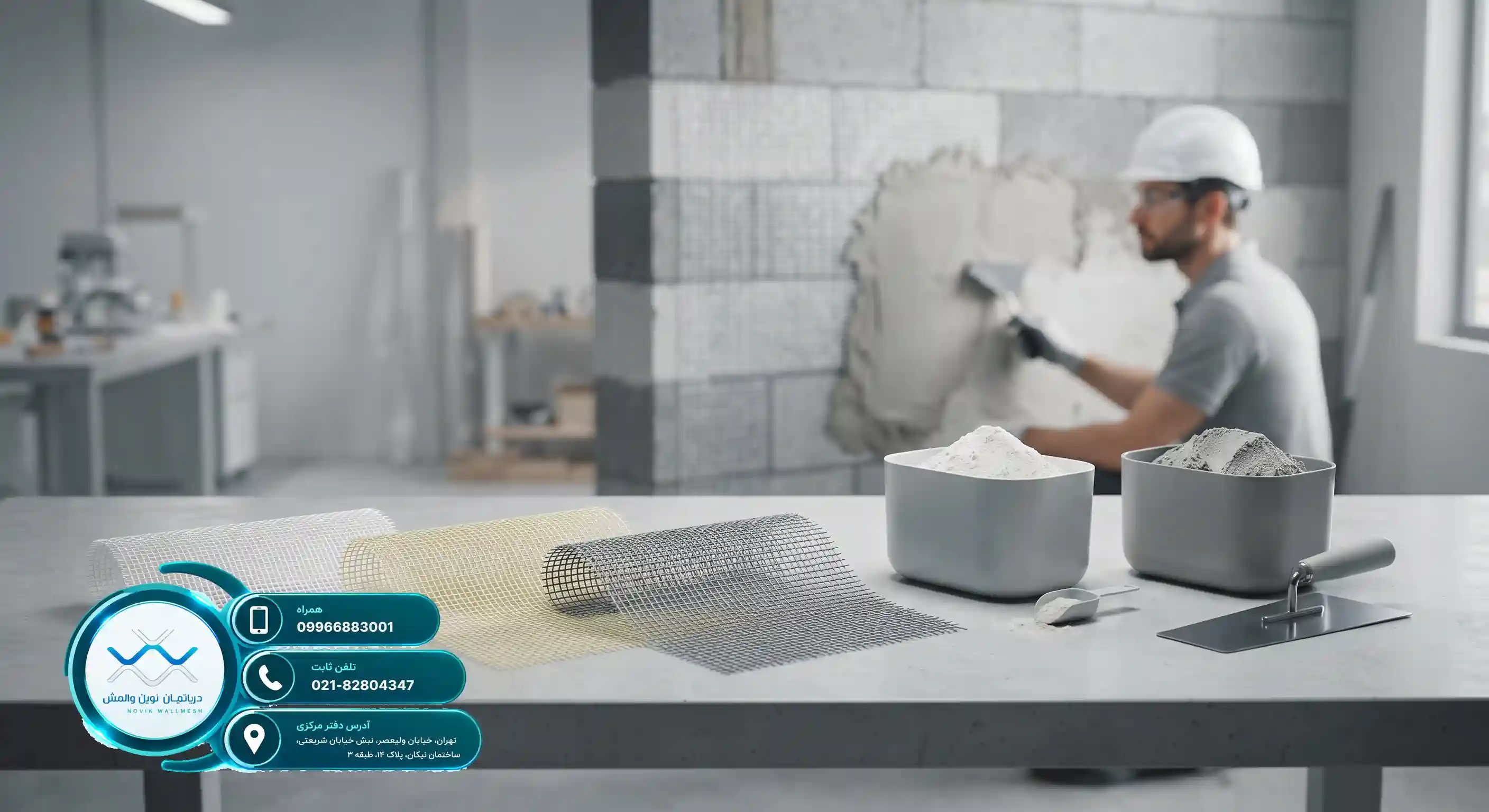
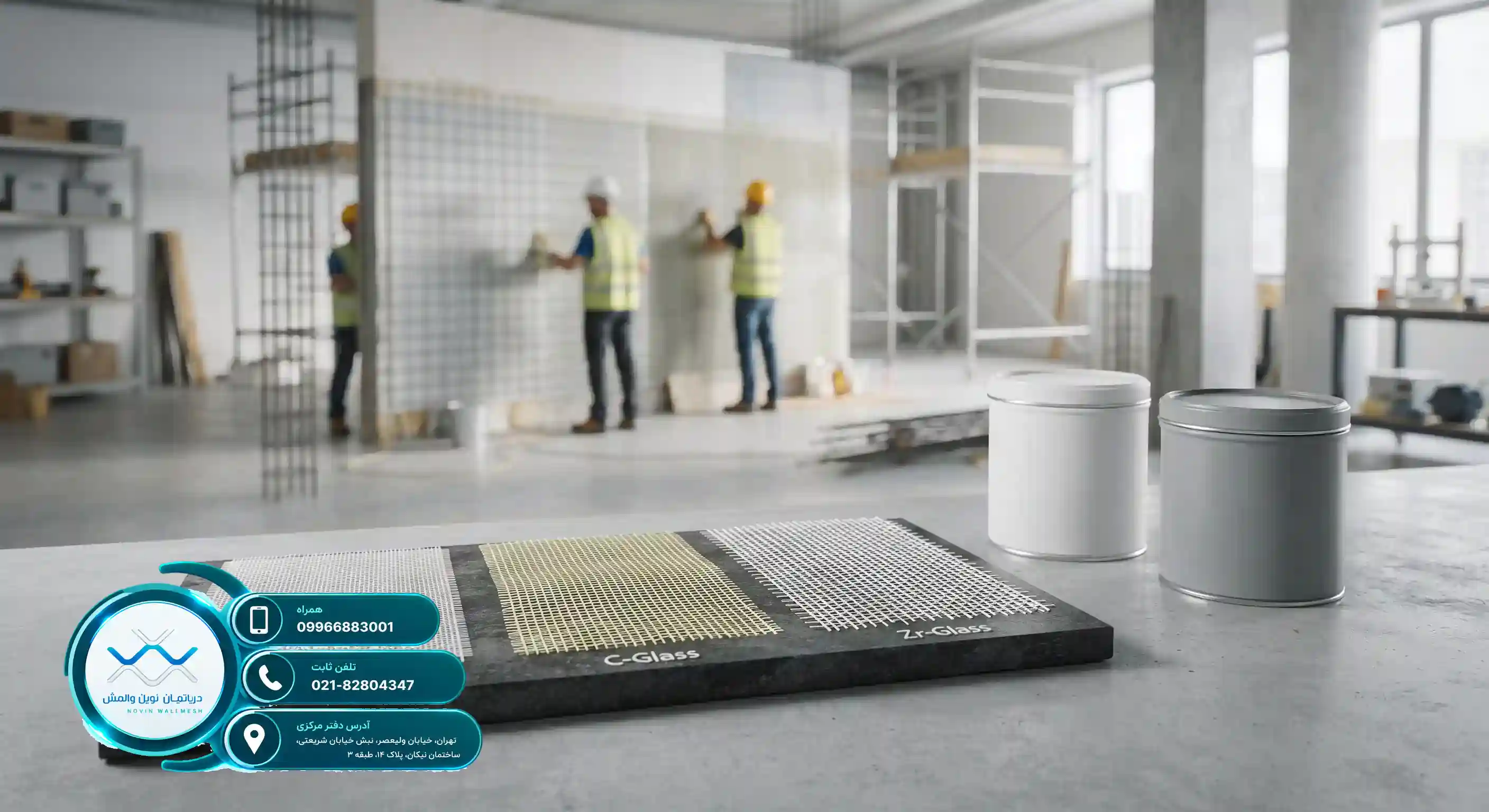
چرا انتخاب پلاستر وال مش باکیفیت اهمیت حیاتی دارد؟
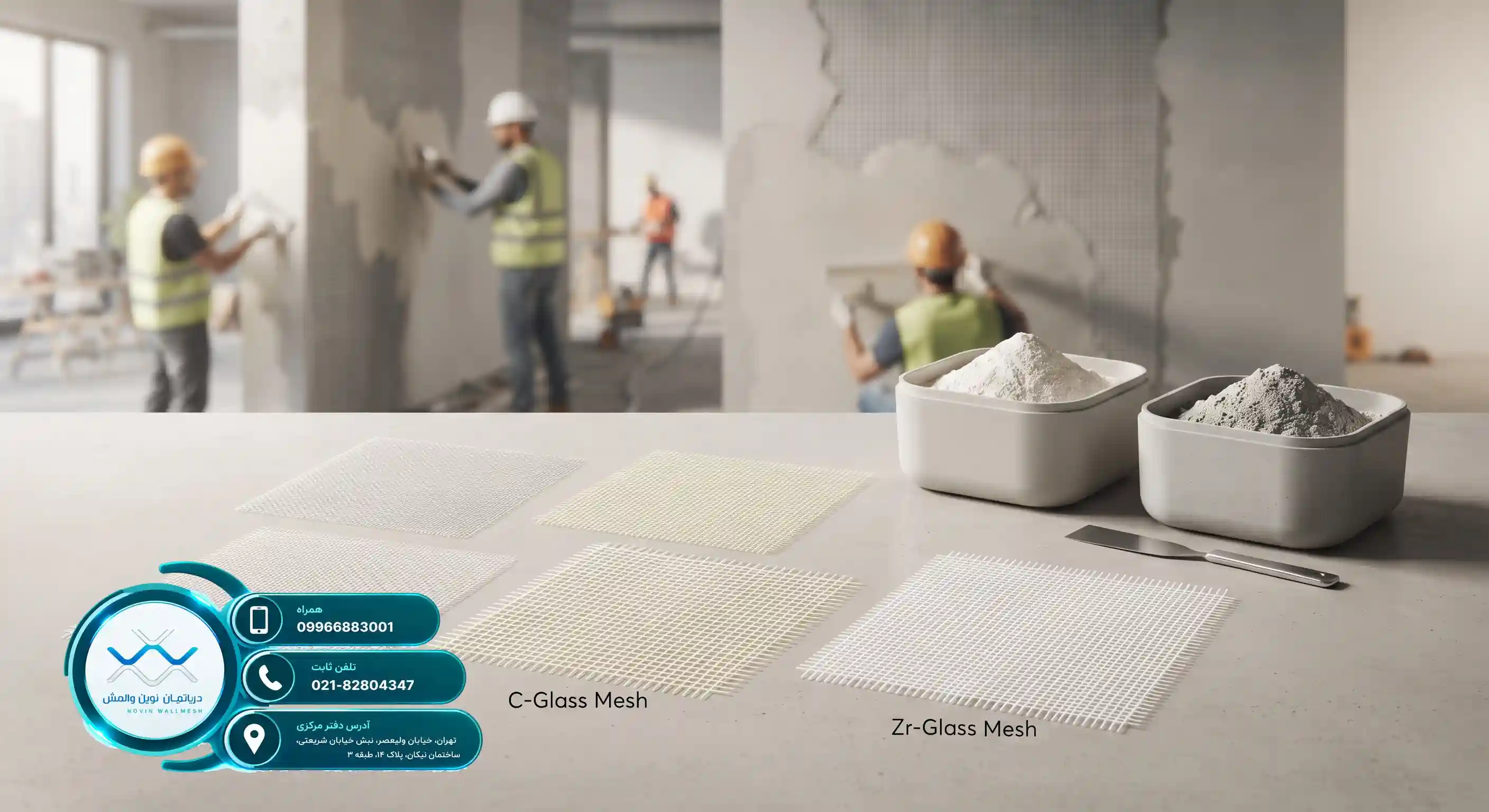
نقش حیاتی پلاستر وال مش در مهندسی سازه
در دنیای مدرن ساختوساز، ایمنی دیوارهای غیرسازهای در برابر زلزله به یکی از دغدغههای اصلی مهندسان و طراحان تبدیل شده است. سیستم والمش به عنوان جایگزینی نوین برای والپستهای سنتی فلزی، از ترکیب شبکه الیاف شیشه و لایهای از پلاستر تشکیل شده است. در این میان، کیفیت پلاستر وال مش نقش بسیار تعیینکنندهای در یکپارچگی عملکرد کل سیستم ایفا میکند. بدون یک پوشش مناسب و مهندسیشده، الیاف فایبرگلاس نمیتوانند به درستی نیروهای وارده را تحمل کنند و سازه در برابر تنشها آسیبپذیر خواهد شد.
دپارتمان نوین وال مش با سالها تجربه درخشان در حوزه مقاومسازی، همواره بر این اصل تأکید دارد که انتخاب مصالح استاندارد، تضمینکننده دوام و پایداری سازههاست. هنگامی که از مش فایبرگلاس به همراه پلاسترهای تخصصی استفاده میشود، بارهای ناشی از زلزله به طور یکنواخت در سطح دیوار پخش میشوند. این فرآیند از ترکخوردگیهای موضعی جلوگیری کرده و ایمنی ساکنان را به شکل قابل توجهی افزایش میدهد.
چرا پوشش نهایی سیستم والمش مهم است؟
پلاستر به عنوان ماتریس اصلی انتقال نیرو عمل میکند. این لایه محافظ، الیاف را در جای خود ثابت نگه داشته و از آنها در برابر عوامل محیطی محافظت میکند. برای کسب اطلاعات بیشتر در این زمینه، مطالعه نکات مهم در انتخاب نوع پلاستر حین خرید وال مش میتواند راهنمای بسیار مفیدی برای مهندسان ناظر و مجریان ذیصلاح باشد.
کیفیت اجرای پلاستر روی مش فایبرگلاس، ضامن اصلی عملکرد لرزهای دیوار در هنگام وقوع زلزله است.
در پروژههای عمرانی، توجه به جزئیات اجرایی اهمیت فوقالعادهای دارد. اگر لایه پوششی از چسبندگی کافی برخوردار نباشد، کل سیستم پیش از رسیدن به مقاومت نهایی دچار گسیختگی خواهد شد. بنابراین، شناخت دقیق انواع پلاستر و ویژگیهای فیزیکی آنها از اهمیت حیاتی برخوردار است.
تفاوتهای ساختاری پلاسترهای سیمانی و گچی در سیستم والمش
انتخاب نوع پلاستر بسته به شرایط محیطی و محل اجرای پروژه متفاوت است. پلاسترهای پایه سیمانی به دلیل مقاومت بالا در برابر رطوبت و شرایط جوی نامساعد، گزینهای بینظیر برای فضاهای خارجی، پارکینگها و محیطهای مرطوب محسوب میشوند. از سوی دیگر، پلاسترهای پایه گچی با داشتن سرعت خشک شدن بالا و سطح صیقلی، انتخاب اول برای دیوارهای داخلی ساختمانها به شمار میروند. برای آگاهی از مزایای بیشمار این محصولات، بررسی چرا خرید پلاستر پایه سیمانی دپارتمان نوین وال مش انتخاب اول مهندسان است؟ خالی از لطف نخواهد بود.
در استانداردهای جهانی صنعت ساختمان، نظیر دستورالعملهای شناخته شده در پلاستر گچی والمش، تأکید ویژهای بر استفاده از متریال باکیفیت و همگن شده است تا میزان تنشهای حرارتی و انقباضی به حداقل برسد. این هماهنگی میان مش و پلاستر است که به دیوار اجازه میدهد تا در برابر بارهای جانبی از خود انعطاف نشان دهد.
ویژگیهای کلیدی یک پلاستر استاندارد
- چسبندگی فوقالعاده بالا به سطح آجر، بلوک و بتن
- مدول الاستیسیته متناسب با مش فایبرگلاس
- مقاومت کششی و خمشی مناسب جهت مقابله با ترکهای مویی
- قابلیت اجرای آسان با ابزارهای سنتی و مکانیزه
استفاده از مصالح نامرغوب میتواند تمام زحمات اجرای شبکه فایبرگلاس را از بین ببرد. بنابراین، تأمین پلاستر از منابع معتبر و تخصصی همواره به مهندسان مشاور توصیه میشود.
Economic Analysis of Wall Mesh Price Compared to Wall Post
Economic Analysis of Wall Mesh Price Compared to Wall Post
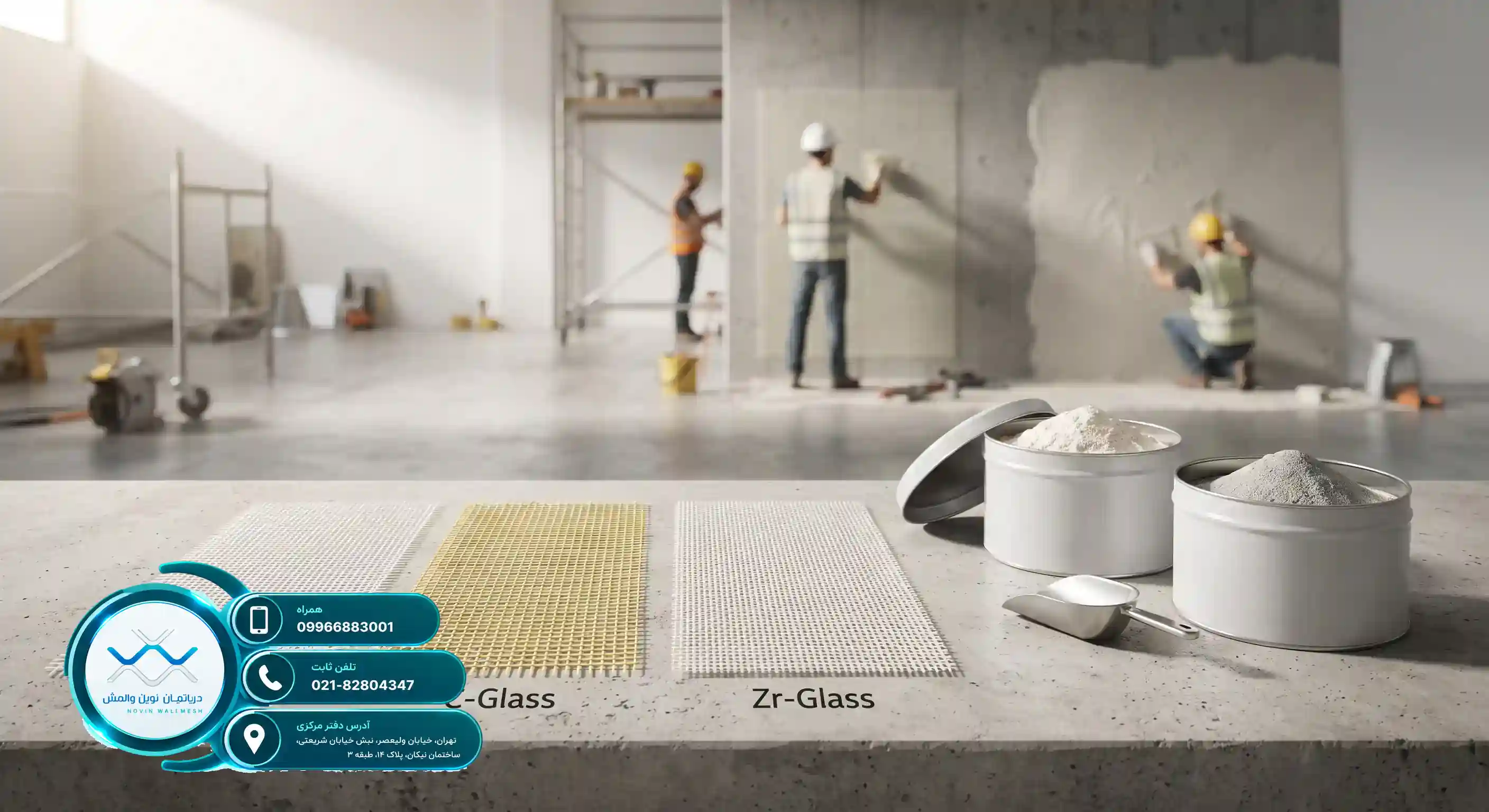
Introduction to the Importance of Non-Structural Wall Retrofitting
In recent years, Iran's construction industry has witnessed dramatic changes in structural design and implementation codes. New regulations, especially the fourth edition of Standard 2800 and the guidelines of the Road, Housing and Urban Development Research Center, have shown profound sensitivity to the seismic restraint of non-structural walls. Meanwhile, wall mesh price stands out as one of the primary concerns for employers, design engineers, and contractors. Choosing the right system for wall restraint not only directly impacts the life and financial safety of residents but also heavily influences the final costs of the project.
The Novin Wall Mesh Department, with years of experience in the field of retrofitting and reinforcing non-structural walls, constantly strives to establish a logical balance between safety and economy by providing engineered solutions. Precise knowledge of the execution and financial differences between traditional and modern methods is the key to optimal budget management in civil projects. In this comprehensive article, we intend to examine the wall mesh system comprehensively from economic, technical, and execution perspectives compared to traditional wall posts so that you dear readers can make the best decision for your projects.
Why is Restraining Non-Structural Walls Important?
Based on observations following past devastating earthquakes, the highest financial and human losses in concrete and steel buildings have resulted from the collapse of infill and peripheral walls. Although these walls are not considered primary load-bearing elements of the structure, they undergo lateral deformations of the structure during an earthquake and collapse due to their brittle nature. To prevent this hazardous phenomenon, design engineers use restraint systems. For more information regarding global standards, you can take a look at reputable articles in the field of non-structural wall retrofitting with wall mesh.
Traditional wall restraint systems were often reliant on heavy steel profiles such as channels and box sections, which, in addition to execution problems, drastically increased the dead load of the structure. But today, with the emergence of modern technologies, engineers have gravitated towards using advanced fiber networks. A comprehensive review of these technologies along with details related to comparing types of mesh and wall mesh price for proper implementation in structures will serve as an excellent guide for designers.
- Increasing the structural safety factor against severe earthquakes
- Reducing the overall dead load of the building
- Full compliance with the latest national regulations and standards
- Optimizing execution costs and consumed materials
Financial Analysis of Steel and Concrete Wall Posts
To better understand the economic differences, we must first examine the constituent components of the traditional wall post. In this method, the use of I-beams, steel box sections, numerous angle irons, extensive welding, anti-rust coating, and the execution of bed joint reinforcement imposes staggering costs on the project. Severe fluctuations in steel prices in the Iranian market have made the initial estimate of wall mesh price much more attractive to investors compared to traditional wall post implementation. Purchasing steel, transporting it to the workshop, warehousing, and material waste create numerous hidden costs that are often overlooked in initial calculations.
In addition to the cost of purchasing raw materials, the labor cost of traditional wall post execution—including cutting, heavy welding, connection to the structural frame via anchor bolt plates, and anti-rust application—requires specialized teams and is time-consuming. Professional welders spend a lot of time accurately executing these elements, which itself leads to an increase in the construction period and consequently rises the overhead costs of the project. In large projects, this time wastage means massive capital lock-up.
Hidden Cost-Increasing Factors in Traditional Wall Posts
One of the biggest dilemmas of steel wall posts is their interference with the mechanical and electrical installations of the building. Passing pipes and cables alongside the steel columns of the wall post often requires route modification or local demolition, which entails repair costs and re-labor wages. Also, the high thickness of steel profiles prevents a uniform application of final plaster and skim coat, and the employer is forced to incur extra costs to create a smooth surface for finishing work.
The execution of traditional wall posts imposes a heavy financial burden on employers due to the need for continuous welding and the use of bulky profiles, which can be significantly reduced by substituting engineered systems.
- High cost of purchasing steel profiles (box sections, angle irons, channels)
- Wage costs of professional welders and installers
- Costs related to anchor bolt installation and connection plates
- Material losses and waste resulting from steel cutting
Review of the Seismic Behavior of Walls with the Help of Proper <mark>Wall Mesh Plaster</mark> Implementation
Review of the Seismic Behavior of Walls with the Help of Proper <mark>Wall Mesh Plaster</mark> Implementation
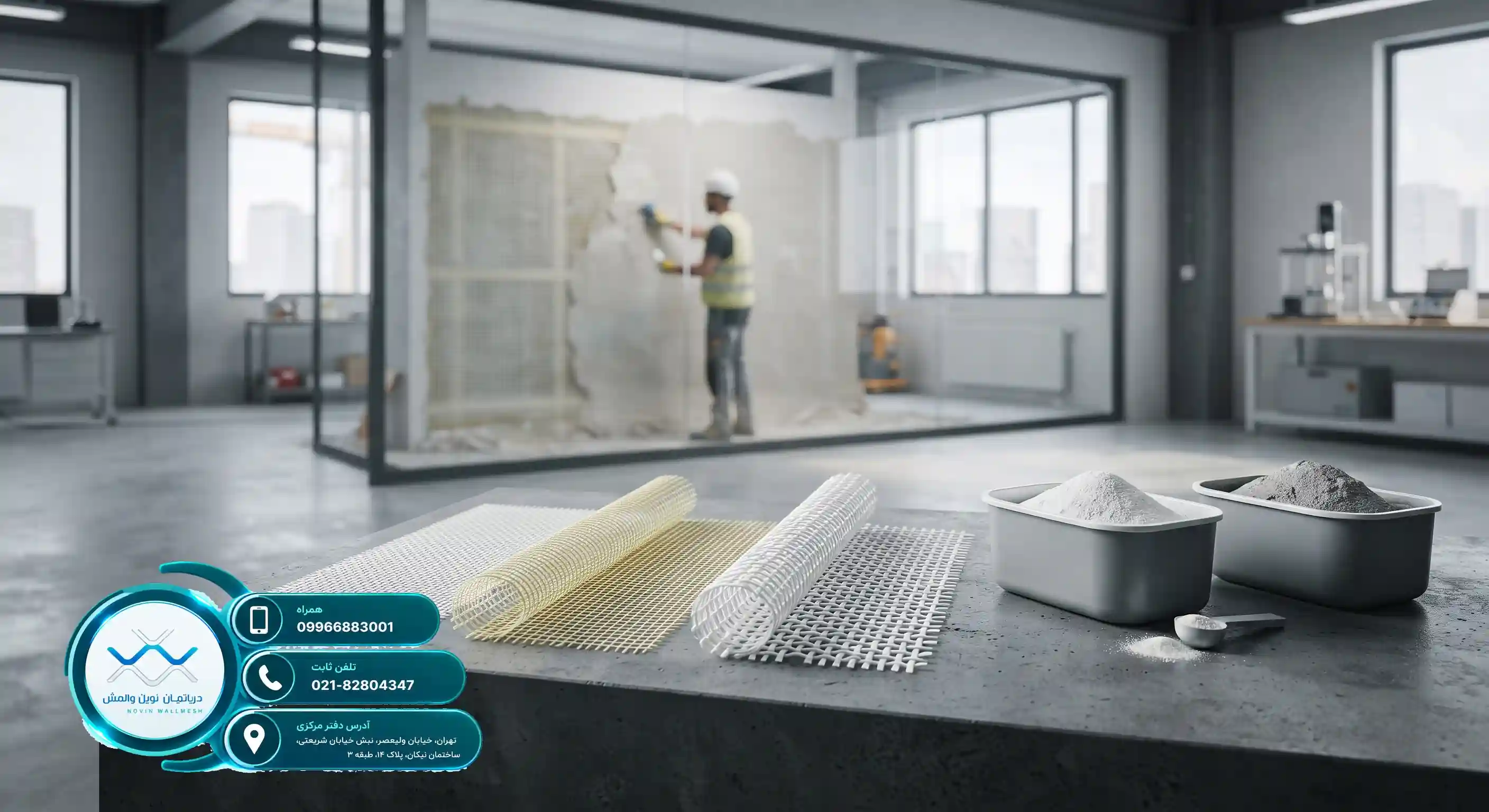
Review of the Seismic Behavior of Walls with the Help of Proper Wall Mesh Plaster Implementation
In recent years, civil and structural engineers have paid special attention to the performance of non-structural walls during earthquakes. The bitter experiences of past earthquakes have shown that the vulnerability of non-structural components, especially infill and perimeter walls, can cause extensive loss of life and financial damage. In this regard, the use of modern retrofitting systems such as wall mesh has been proposed as a standard alternative to traditional angle bracing. The wall mesh system is a combination of fiberglass mesh and plaster layers that creates an integrated and homogeneous performance with the wall. To learn more about this technology, you can visit the Modern Wall Mesh Department.
Why Are Non-Structural Walls Vulnerable in Earthquakes?
Brick or block walls inherently have low flexibility against lateral earthquake forces. When the structure is subjected to base shear and lateral deformations, non-structural walls tend to crack, undergo diagonal shear, and ultimately collapse. This phenomenon not only creates a life safety hazard but also blocks rescue routes. To improve this situation, reinforcing the wall with composite materials becomes important. International studies show that using adhesive reinforcement systems can dramatically increase the lateral load-bearing capacity of walls (Retrofitting Non-Structural Walls with Wall Mesh).
The Vital Role of Plaster in Wall Mesh System Integrity
Many people assume that simply having a fiberglass mesh grid is sufficient for wall resistance, while the transfer of stresses between the wall surface and the mesh grid requires a solid substrate. Proper implementation of wall mesh plaster acts as an intermediary so that the earthquake-induced load is uniformly distributed across the wall surface. The choice of plaster type and its thickness based on engineering guidelines is among the matters considered in executive standards. In this regard, reading the comprehensive article Reviewing the Role of Wall Mesh Plaster in Wall Standardization is recommended.
- Increasing the ductility of non-structural walls
- Preventing local and widespread cracks
- Improving the bonding between masonry materials and the mesh grid
- Reducing the dead load of the structure compared to traditional methods
By implementing this system soundly, the wall will be able to tolerate the lateral deformations of the structure without sudden collapse and improve the overall seismic performance of the building.
Constituent Components of the Wall Mesh System and the Importance of Choosing Standard Mesh
The wall mesh system consists of two main components: the fiber grid or fiberglass mesh, and the finishing or plaster layer. Each of these components has a specific task in improving the seismic behavior of the wall. The quality of the consumed materials has a direct impact on the final efficiency of the system. To choose the right materials, reviewing the technical characteristics of various fibers is very important; for example, studying the comprehensive guide Review of the Impact of Weave Type in the Wall Mesh Buying Guide greatly helps design engineers and executors to make the best decision according to their project.
Types of Fiberglass Mesh in the Modern Wall Mesh Department
Fiberglass meshes are divided into different categories based on the coating type and fiber material, each of which has its own specific application:
- E-Glass Fiberglass Mesh: Suitable for general projects with standard and economical technical specifications.
- C-Glass Fiberglass Mesh: Possesses suitable chemical resistance against aggressive and alkaline environments.
- Zr-Glass Fiberglass Mesh: Contains zirconia, resistant to severely alkaline environments of cement and gypsum mortars.
The Impact of Weave Type and Grammage on Mechanical Performance
The type of mesh weave and opening size determine the degree of interaction between the fibers and the mortar and plaster. Standard openings allow the gypsum- or cement-based plaster to easily pass through the fibers and create a powerful composite network. If the mesh quality is low or its weave is not chosen properly, the plaster layer will separate from the wall during an earthquake and the system will lose its efficiency. Therefore, strict supervision of material authenticity and their compliance with engineering standards are among the main pillars of the successful implementation of this system.