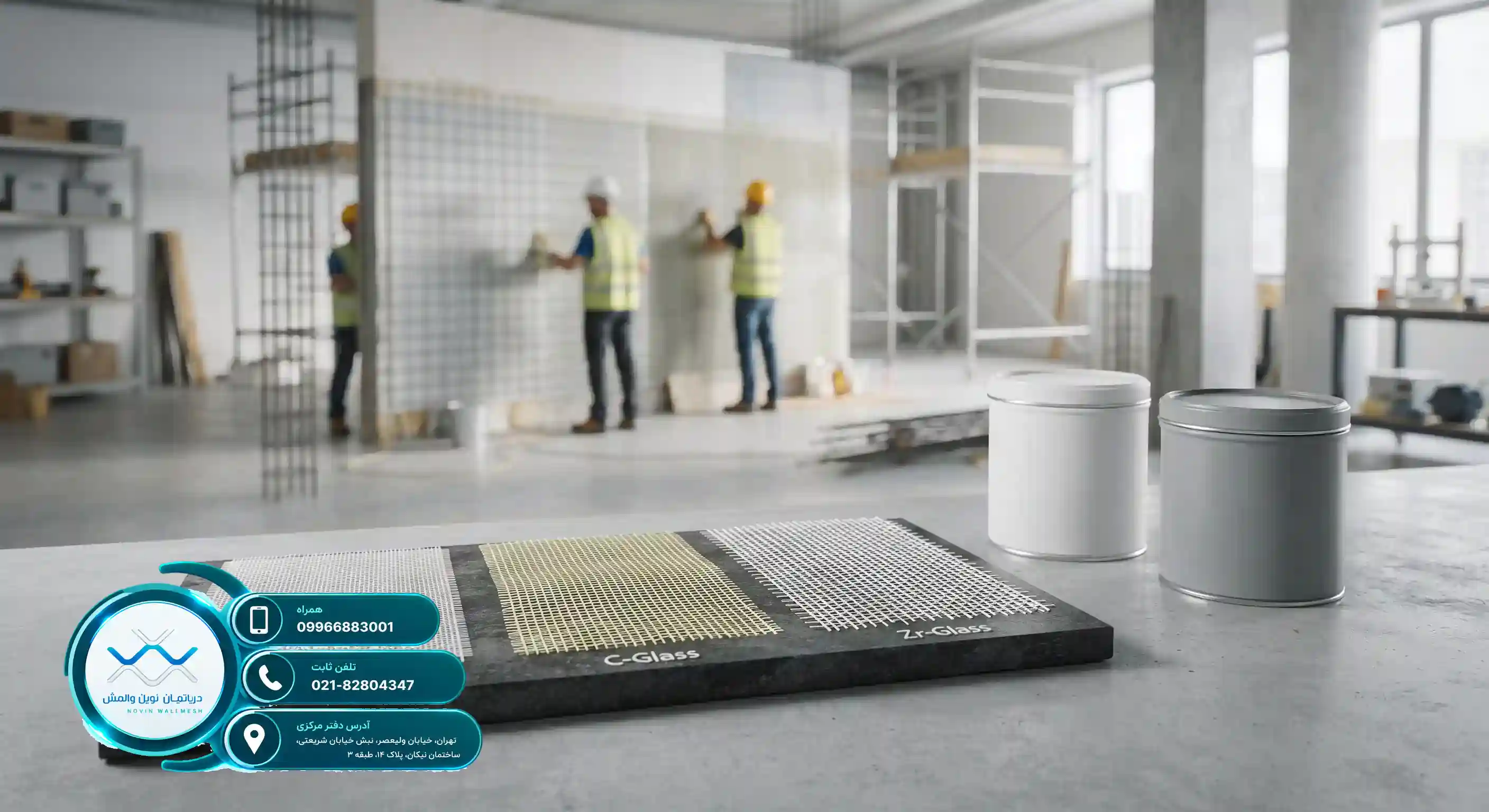
لماذا یُعد اختیار ملاط شبکة الجدران (وال مش) عالی الجودة أمراً بالغ الأهمیة؟
لماذا یُعد اختیار ملاط شبکة الجدران (وال مش) عالی الجودة أمراً بالغ الأهمیة؟
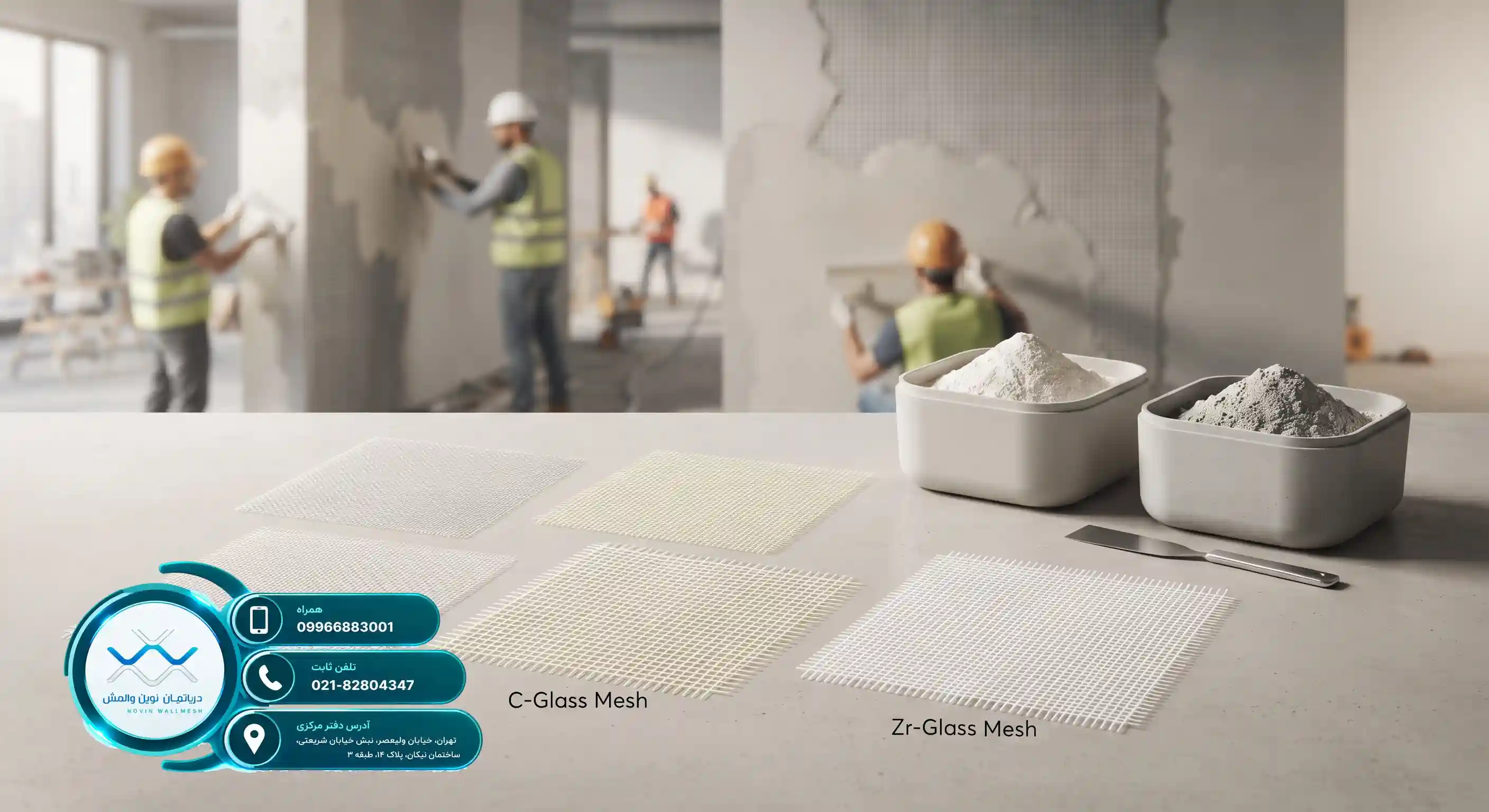
الدور الحیوی لملاط شبکة الجدران فی الهندسة الإنشائیة
فی عالم البناء الحدیث، أصبحت سلامة الجدران غیر الإنشائیة ضد الزلازل واحدة من الاهتمامات الرئیسیة للمهندسین والمصممین. یتکون نظام شبکة الجدران، کبدیل حدیث لرکائز الجدران المعدنیة التقلیدیة، من مزیج من شبکة الألیاف الزجاجیة وطلاء من الملاط. وفی الوقت نفسه، تلعب جودة ملاط شبکة الجدران دوراً حاسماً للغایة فی الأداء المتکامل للنظام بأکمله. وبدون طبقة حمایة مناسبة ومهندسة، لا تستطیع ألیاف الألیاف الزجاجیة تحمل القوى المطبقة بشکل صحیح وسیکون الهیکل عرضة للإجهاد.
تؤکد وحدة شبکة الجدران الحدیثة (Novin Wall Mesh)، التی تتمتع سنوات من الخبرة اللامعة فی مجال التقیویة، دائماً على أن اختیار المواد القیاسیة یضمن متانة واستقرار الهیاکل. فعندما یتم استخدام شبکة الألیاف الزجاجیة جنباً إلى جنب مع الملاط المتخصص، یتم توزیع الأحمال الناتجة عن الزلازل بالتساوی على سطح الجدار. تمنع هذه العملیة التشقق الموضعی وتزید بشکل کبیر من سلامة السکان.
لماذا تُعد الطبقة النهائیة لنظام شبکة الجدران مهمة؟
یعمل الملاط کالمصفوفة الرئیسیة لنقل القوة. تحافظ هذه الطبقة الواقیة على الألیاف فی مکانها وتحمیها من العوامل البیئیة. لمزید من المعلومات حول هذا الموضوع، فإن قراءة نصائح مهمة عند اختیار نوع الملاط عند شراء شبکة الجدران یمکن أن تکون دلیلاً مفیداً للغایة للمهندسین المشرفین والمقاولین المؤهلین.
إن جودة تطبیق الملاط على شبکة الألیاف الزجاجیة هی الضمان الرئیسی للأداء الزلزالی للجدار أثناء وقوع الزلزال.
فی المشاریع المدنیة، فإن الاهتمام بتفاصیل التنفیذ ذو أهمیة قصوى. إذا لم تکن طبقة الطلاء ذات التصاق کافٍ، فسوف ینهار النظام بأکمله قبل الوصول إلى مقاومته النهائیة. لذلک، فإن المعرفة الدقیقة بأنواع الملاط وخصائصها الفیزیائیة أمر بالغ الأهمیة.
الاختلافات الهیکلیة بین الملاط الأسمنتی والجصی فی نظام شبکة الجدران
یعتمد اختیار نوع الملاط على الظروف البیئیة وموقع تنفیذ المشروع. یُعد الملاط ذو الأساس الأسمنتی خیاراً فریداً للساحات الخارجیة، ومواقف السیارات، والبیئات الرطبة نظراً لمقاومته العالیة للرطوبة والظروف الجویة غیر الملائمة. من ناحیة أخرى، یُعتبر الملاط ذو الأساس الجصی الخیار الأول للجدران الداخلیة للمبانی لسرعة جفافه الفائقة وسطحه المصقول. ولمعرفة الفوائد التی لا تُحصى لهذه المنتجات، فإن التحقق من لماذا یُعد شراء الملاط ذو الأساس الأسمنتی من وحدة شبکة الجدران الحدیثة الخیار الأول للمهندسین؟ سیکون مفیداً للغایة.
فی معاییر صناعة البناء العالمیة، مثل الإرشادات المعروفة فی ملاط جصی لشبکة الجدران، هناک تأکید خاص على استخدام مواد عالیة الجودة ومتجانسة لتقلیل معدل الإجهادات الحراریة والانکماشیة إلى الحد الأدنى. هذا التناغم بین الشبکة والملاط هو ما یسمح للجدار بإظهار المرونة ضد الأحمال الجانبیة.
الخصائص الرئیسیة للملاط القیاسی
- التصاق عالی جداً بسطح الطوب والکتل والخرسانة
- معامل مرونة متناسب مع شبکة الألیاف الزجاجیة
- مقاومة مناسبة للشد والانحناء لمواجهة الشقوق الشعریة
- قدرة تطبیق سهلة باستخدام الأدوات التقلیدیة والمیکانیکیة
یمکن أن یؤدی استخدام مواد ردیئة الجودة إلى تدمیر کل جهود تنفیذ شبکة الألیاف الزجاجیة. لذلک، یُنصح المهندسون الاستشاریون دائماً بتورید الملاط من مصادر موثوقة ومتخصصة.
مراحل گامبهگام اجرای پلاستر وال مش در پروژههای ساختمانی
مراحل گامبهگام اجرای پلاستر وال مش در پروژههای ساختمانی
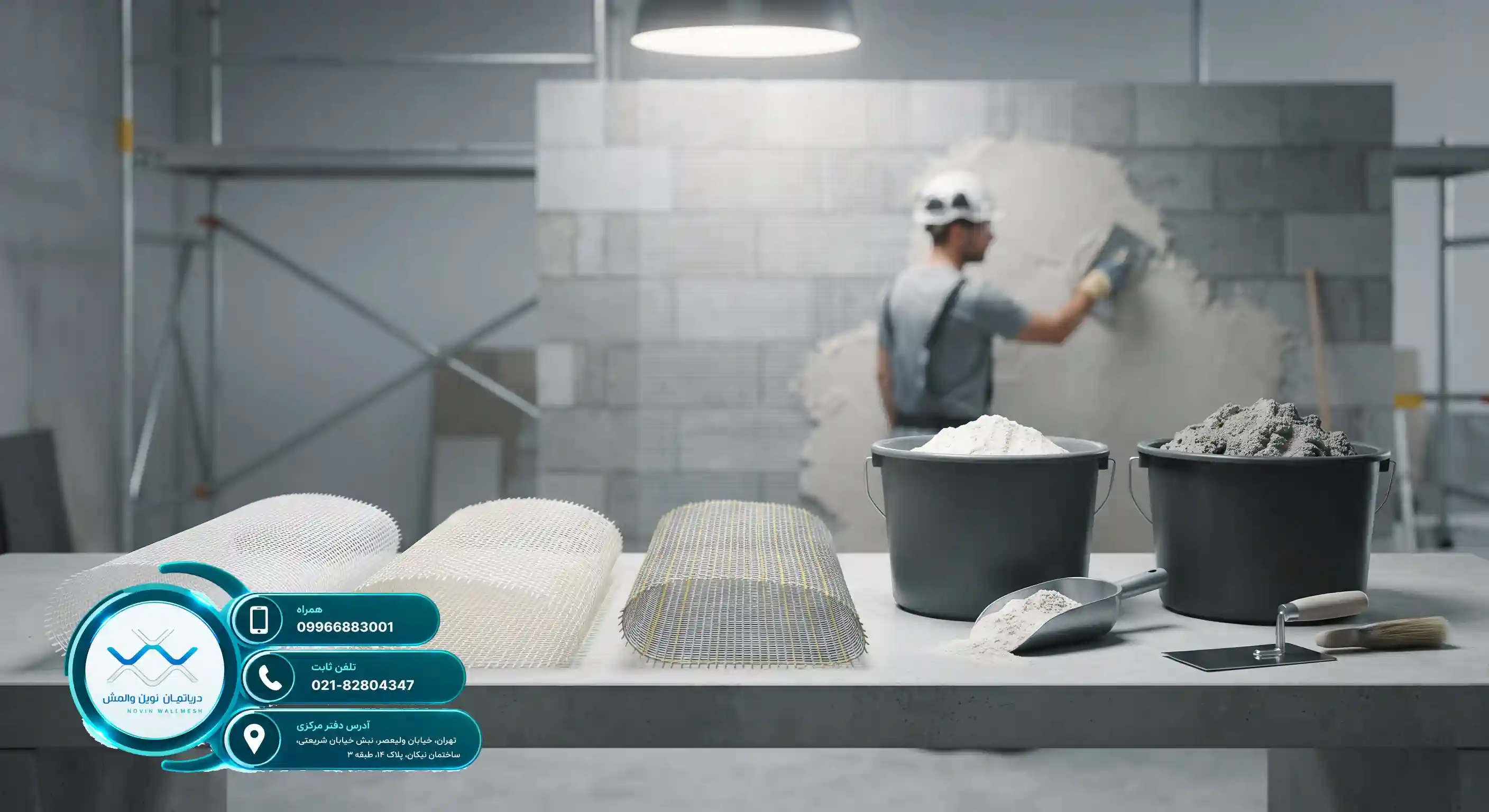
آشنایی با تحولات مهندسی سازه و سیستم تسلیح دیوار
در سالهای اخیر، صنعت ساختوساز ایران شاهد تغییرات چشمگیری در استانداردهای ایمنی و آییننامههای زلزله بوده است. دیوارهای غیرسازهای و میانقابها همواره یکی از آسیبپذیرترین اجزا در زمان وقوع زلزله شناخته شدهاند. ریزش این دیوارها نه تنها خسارات مالی فراوانی به بار میآورد، بلکه خطرات جانی جبرانناپذیری نیز ایجاد میکند. به همین دلیل، مهندسین ناظر و محاسب به دنبال راهکارهای جایگزین برای روشهای سنتی مانند نبشیکشی هستند. فناوری پلاستر وال مش به عنوان یک راهکار نوین، سبک و بسیار کارآمد توانسته است جایگاه ویژهای در پروژههای ساختمانی پیدا کند.
ما در دپارتمان نوین وال مش با ارائه محصولات تخصصی و مهندسیشده، گامی بزرگ در جهت ارتقای پایداری دیوارهای غیرسازهای برداشتهایم. استفاده از این سیستم نهتنها بار مرده ساختمان را به شدت کاهش میدهد، بلکه سرعت اجرای پروژه را نیز به طور چشمگیری بالا میبرد. برای درک بهتر این موضوع، توصیه میکنیم نگاهی به مقاله تخصصی نقش پلاستر وال مش در بهبود رفتار میانقابهای آجری بیندازید تا با جزئیات عملکردی آن آشنا شوید.
در این مقاله جامع، قصد داریم تمامی مراحل اجرایی این سیستم را از صفر تا صد بررسی کنیم تا مجریان و کارفرمایان بتوانند با دانش کافی، پروژههای خود را پیش ببرند.
نکات کلیدی در آمادهسازی سطح زیرکار
پیش از آغاز هرگونه عملیات اجرایی مربوط به پلاستر وال مش، زیرسازی و آمادهسازی سطح دیوار از اهمیت حیاتی برخوردار است. هرگونه آلودگی، چربی، گردوغبار یا ملاتهای سست روی دیوار میتواند چسبندگی لایههای بعدی را به شدت کاهش دهد. بنابراین، تمیز کردن کامل سطح دیوار با ابزار مناسب و در صورت نیاز شستوشوی آن با آب از اولین گامهای اجرایی به شمار می رود.
علاوه بر پاکسازی، سطح دیوارهای سفالی یا بلوکی باید دارای زبری مناسبی باشد تا ملات و پلاستر به خوبی روی آن بنشیند. مهندسین اجرایی باید توجه داشته باشند که پیش از نصب مش فایبرگلاس، تمامی درزها و ترکهای احتمالی روی دیوار با ملات مناسب پر شوند. کیفیت اجرای این مرحله مستقیماً روی دوام نهایی سیستم تأثیر میگذارد. همچنین بررسی چگونه مهارت اکیپ اجرایی را در پروژه پلاستر وال مش ارزیابی کنیم؟ به کارفرمایان کمک میکند تا از تخصص تیم اجرایی خود مطمئن شوند.
جدول زیر مقایسه کلی آمادهسازی سطوح مختلف را نشان میدهد:
| نوع دیوار | اقدام لازم | نکته کلیدی |
|---|---|---|
| آجری | تمیزکاری و مرطوب کردن | جلوگیری از جذب سریع آب ملات |
| بلوک سیمانی | برداشتن ضایعات ملات | ایجاد سطح یکنواخت |
| سفالی | پر کردن درزها با ملات | استفاده از پرایمر در صورت نیاز |
Common Errors in Wall Mesh Plaster Execution and Prevention Methods
Common Errors in Wall Mesh Plaster Execution and Prevention Methods
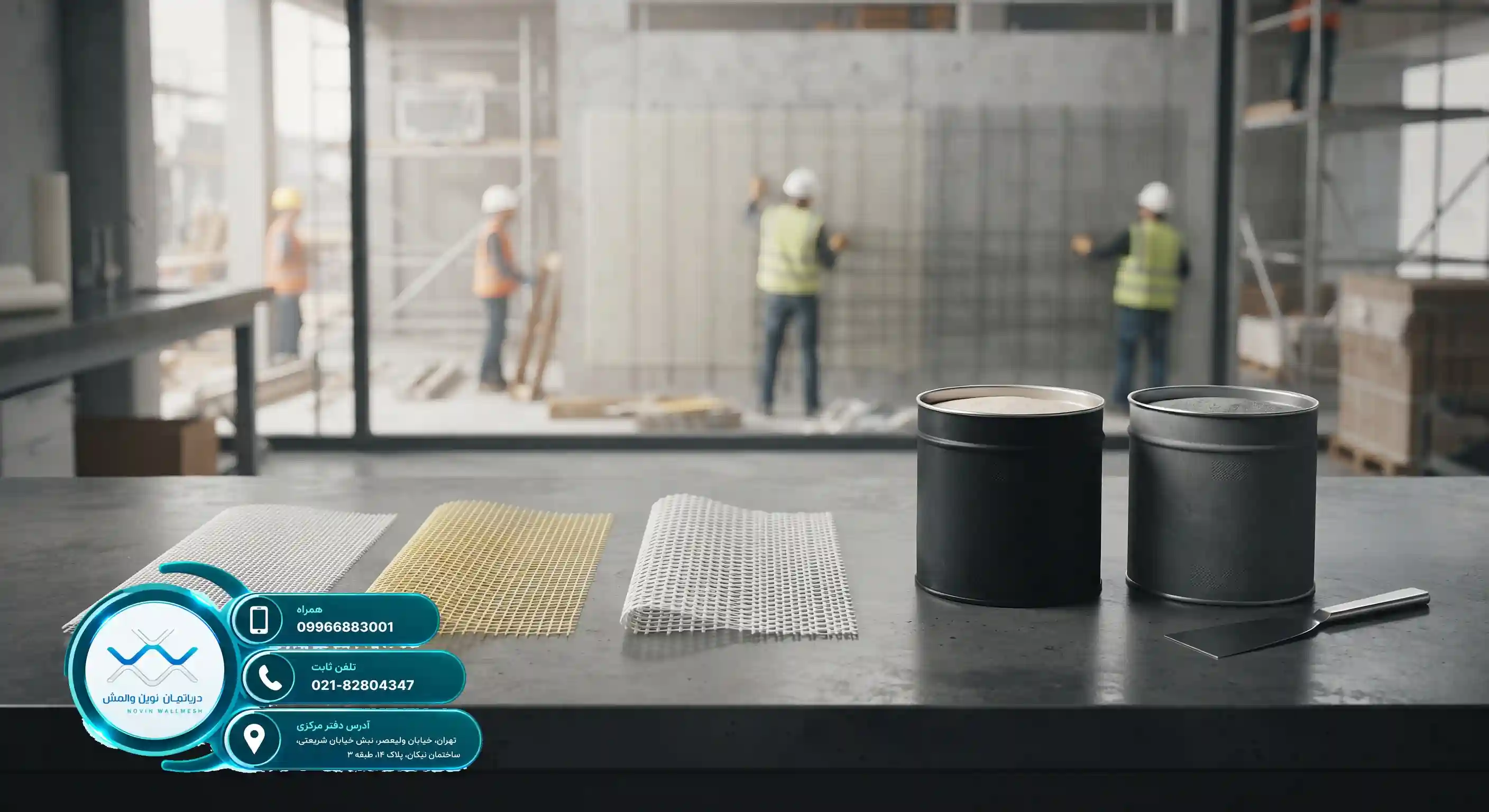
The Importance of Wall Mesh in the Modern Construction Industry
Non-structural walls have always been vulnerable points against earthquakes and lateral forces. Using modern systems such as Novin Wall Mesh Department helps engineers address this structural weakness in the best possible way. However, even the most advanced materials will not achieve the necessary efficiency if not installed correctly. Meanwhile, the role of plaster in the wall reinforcement system is vital and decisive.
Why Does Wall Mesh Plaster Execution Require Precision?
Plaster not only acts as a protective layer over the fiberglass mesh, but it also transfers the applied loads to the fiber network. In fact, the final quality of the wall mesh system heavily depends on the bond between the plaster, the mesh, and the wall surface. Failure to observe technical points can cause problems for the entire non-structural system during crises.
According to specialized studies in the field of earthquake engineering at Non-structural wall retrofitting with wall mesh, precise execution of construction details guarantees optimal seismic performance.
- Increasing layer integration
- Preventing local cracking
- Uniform stress distribution across the wall surface
In the rest of this article, we examine common errors in this field so that you can execute safer construction projects with greater awareness.
Why Substrate Preparation Matters?
One of the most common errors in executing wall mesh plaster is neglecting the cleaning and preparation of the wall surface before installing the mesh and applying the plaster. The presence of dust, grease, residues of previous mortars, or a smooth surface without adhesion prevents a proper mechanical bond between the plaster and the wall substrate.
Methods for Preventing Preparation Errors
To ensure optimal adhesion, concrete or block surfaces must be thoroughly cleaned and roughened if necessary using tools such as sandblasting or water jetting. Also, dampening the surface before spraying the plaster prevents the wall from rapidly absorbing the mixing water.
"Plaster without proper sub-base preparation will detach and peel off in the shortest possible time."
- Removing any contamination and foreign materials
- Creating suitable roughness on smooth surfaces
- Proper Curing and moistening of the surface
Observing these simple steps significantly increases the durability and stability of the wall reinforcement system.
Selecting Unsuitable Mesh and Its Consequences
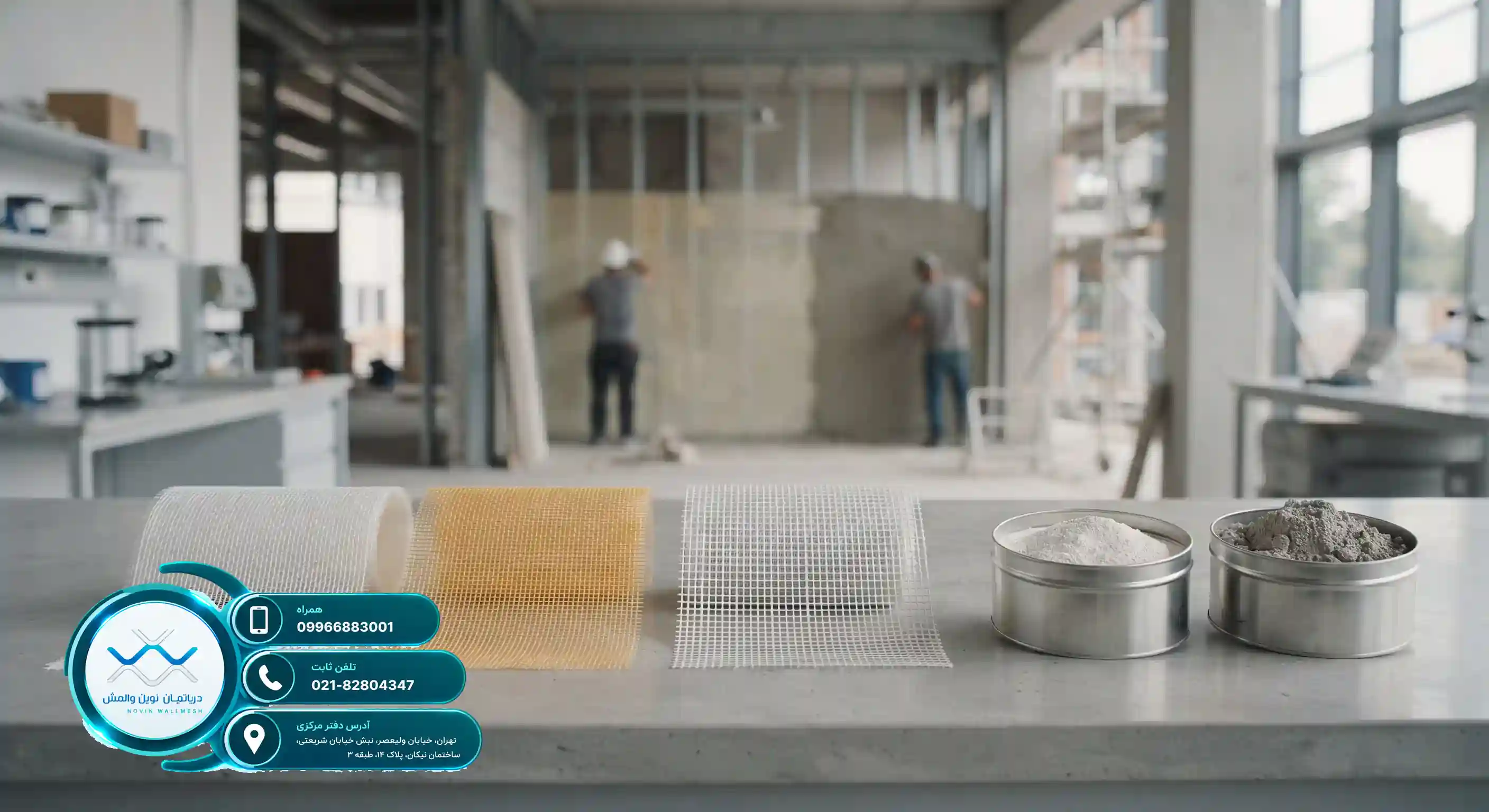
Fiberglass meshes are produced in various types such as E-Glass and Zr-Glass, each designed for specific applications. Using a mesh with unsuitable weight or tensile strength is one of the dangerous engineering errors in wall mesh plaster execution. For more information, you can refer to the article The Role of Gypsum Plaster in the Wall Mesh Purchasing and Execution Process.
Matching Technical Specifications with Environmental Conditions
In humid environments, using alkali-resistant meshes (such as alkali-resistant types) is mandatory. Ignoring this issue causes long-term destruction of the glass fibers.
| Mesh Type | Main Application | Common Execution Error |
|---|---|---|
| E-Glass | Internal and conventional walls | Using in high-humidity environments |
| Zr-Glass | Facades, alkaline, and humid environments | Choosing lower weight than standard |
| C-Glass | Special and industrial projects | Incompatibility with the plaster type |
Always match the technical specifications of the mesh with the structural designer's calculations before purchasing and execution.
Incorrect Water-to-Powder Proportioning in Plaster Production
Making plaster mortar requires laboratory precision. Adding excessive water for the operator's convenience drastically reduces the final strength of the plaster. In executing wall mesh plaster, the thickness of the plaster layer is also very important; thickness below the standard causes incomplete mesh coverage, and excessive thickness leads to thermal and shrinkage cracking.
Benefits of Using Standard Plasters
Using engineered cement-based and gypsum-based plasters provided by reputable manufacturers minimizes human errors in mortar preparation. To better understand this issue, reading the specialized article Advantages of Using Cement-Based Plaster in Wall Mesh Plaster Execution is suggested.
- Precise control of the water-to-cement/gypsum ratio
- Increasing flexural and compressive strength
- Significant reduction of deep cracks
Observing the designer's recommended thickness (usually between 15 to 25 mm depending on the mesh type) prevents serious damages.