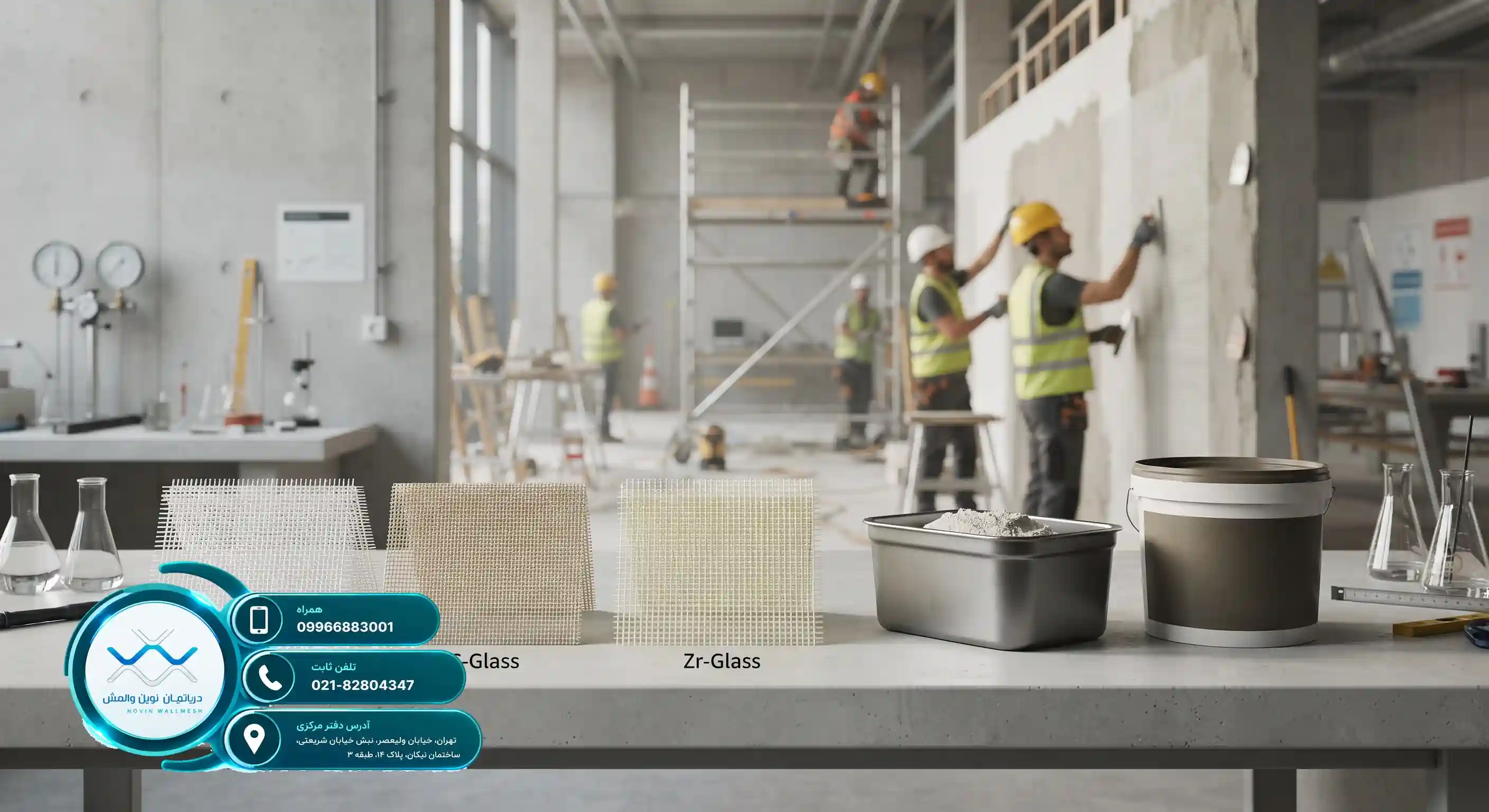
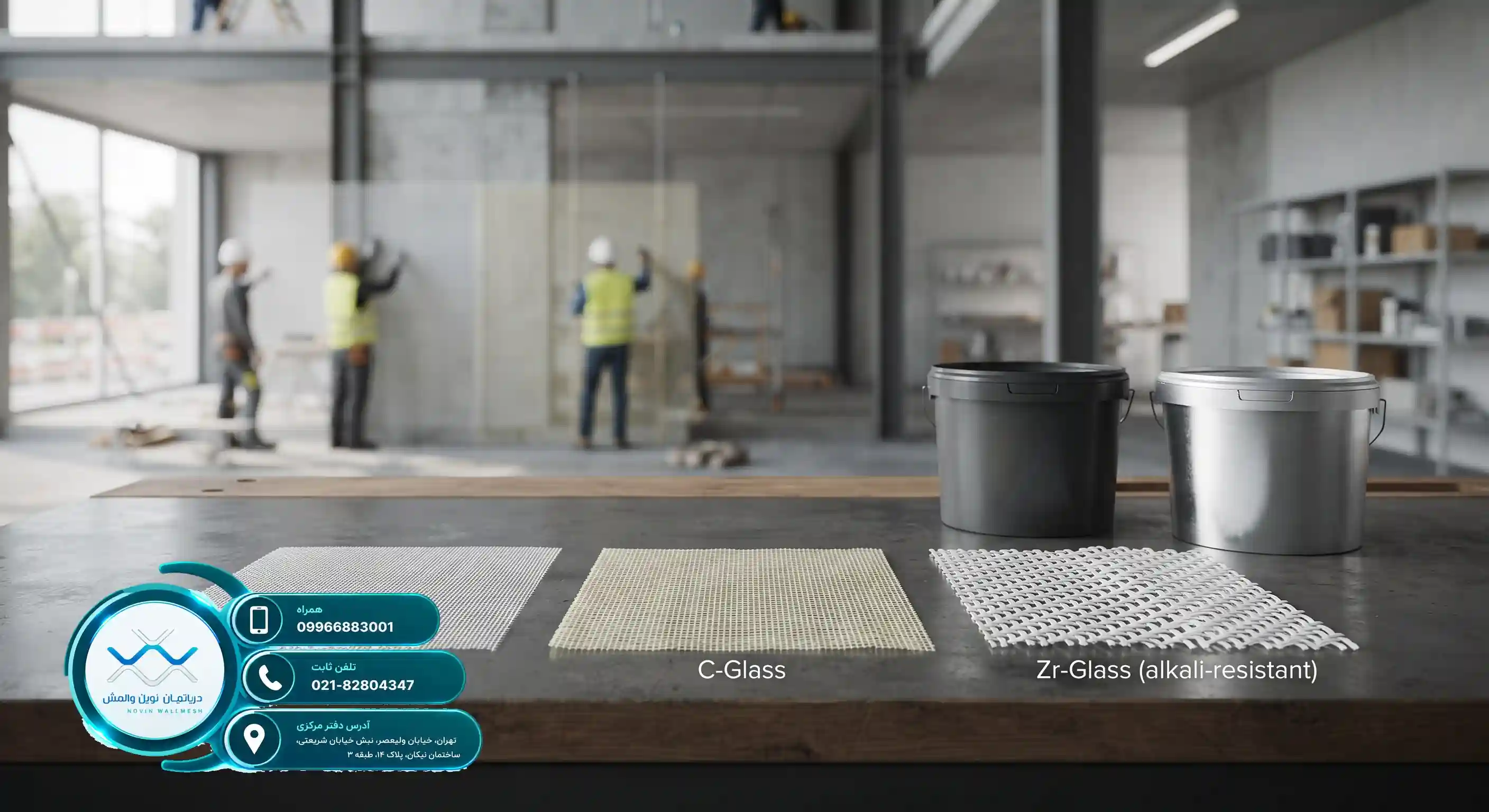
التقدیر الدقیق لسعر وال مش فی العام الهجری الشمسی الجدید
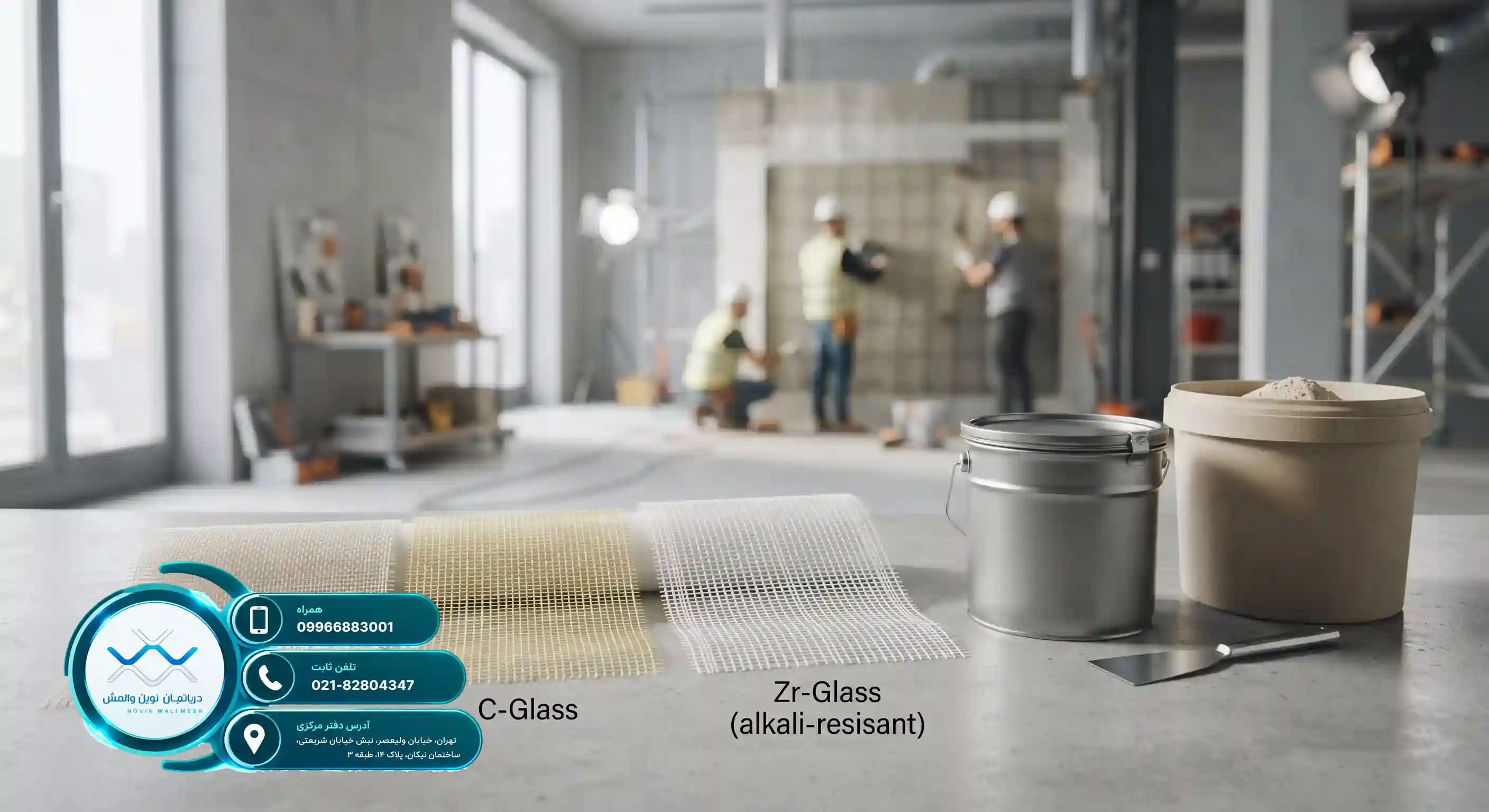
فی السنوات الأخیرة، شهدت صناعة البناء فی إیران تطورات ملحوظة فی مجال السلامة ولوائح البناء الوطنیة. کانت الجدران غیر الإنشائیة، أو الجدران الفاصلة، دائماً واحدة من النقاط الأکثر عرضة للخطر ضد القوى الجانبیة الناتجة عن الزلازل. على الرغم من استخدام الطرق التقلیدیة مثل الدعامات الفولاذیة لسنوات عدیدة، إلا أنها نظراً لوزنها الثقیل وتکالیف تنفیذها الباهظة وسلوکها غیر المنطقی ضد القص والاهتزاز، فقد تم استبدالها بتقنیات حدیثة. یُعد نظام تسلیح الجدران الحدیث، الذی یحمل اسمنا التجاری المعروف، حلاً هندسیاً متقدماً یستخدم شبکة الألیاف الزجاجیة واللصق الخاص بدلاً من العناصر المعدنیة الثقیلة.
یتطلب فحص سعر وال مش فهماً دقیقاً لمکوناته. یُعرف هذا النظام کبدیل مثالی للدعامات التقلیدیة للجدران المحیطیة والداخلیة. لمزید من التعرف على التفاصیل التنفیذیة والحلول الهندسیة، یمکنک زیارة قسم نوفین وال مش للاستفادة من الاستشارات المتخصصة للخبراء. إن معرفة التکالیف واختیار المواد عالیة الجودة هی الخطوة الأولى نحو تحسین میزانیة المشروع وفی نفس الوقت رفع معامل الأمان للهیکل ضد الزلازل المحتملة.
یسعى المصممون ومحسبو الهیاکل دائماً إلى إیجاد توازن بین التکلفة النهائیة ومعاییر اللوائح (مثل معیار 2800). لا یؤدی استخدام شبکات الألیاف الزجاجیة القیاسیة إلى تقلیل الحمل المیت للمبنى بشکل کبیر فحسب، بل یزید أیضاً من سرعة تنفیذ المشروع بشکل ملحوظ. فی هذه المقالة، نعتزم فحص جمیع الأبعاد المالیة والفنیة والاقتصادیة المؤثرة على تکالیف تنفیذ هذا النظام فی العام الهجری الشمسی الجدید لتسهیل اتخاذ القرار للمصممین والمهندسین.
یعتمد تحدید السعر النهائی لتنفیذ أنظمة تسلیح الجدران على عدة معاییر، وکل منها یمکن أن یکون له تأثیر مباشر أو غیر مباشر على المیزانیة النهائیة للم المشروع. من أهم هذه العوامل: نوع ألیاف الشبکة، وأبعاد الفتحات، والوزن لکل وحدة مساحة (الجراماج)، ونوع اللیاسة المستخدمة (أساس جیری أو أسمنت)، وحتى ظروف سوق مواد البناء. على سبیل المثال، تُظهر الشبکات عالیة الجودة مقاومة شد استثنائیة، وهو ما یسبب اختلاف أسعارها عن العینات ردیئة الجودة الموجودة فی السوق.
لفهم الاختلافات الهیکلیة والاقتصادیة بشکل أفضل، ستکون قراءة المقالة المتخصصة مقارنة أنواع الشبکات وسعر وال مش للتنفیذ السلیم فی الهیاکل مفیدة للغایة. فی الجدول أدناه، یمکنک رؤیة نظرة عامة على مکونات التکلفة ومستوى تأثیرها:
| العنصر المکون | الدور فی النظام | مستوى التأثیر على السعر الإجمالی |
|---|---|---|
| شبکة الألیاف الزجاجیة E-Glass / Zr-Glass | تحمل إجهادات الشد وتوزیع قوة الزلازل | مرتفع (حوالی 40%) |
| اللیاسة (جیریة أو أسمنتیة) | تغطیة الشبکة وإنشاء التصاق مع أساس الجدار | متوسط (حوالی 30%) |
| الوصلات والدعامات المجلفنة للتدعیم | الثبات الأولی والاتصال بالعناصر الإنشائیة | منخفض إلى متوسط (حوالی 20%) |
| أجور التنفیذ والترکیب المتخصص | التنفیذ الدقیق وفقاً للتفاصیل الهندسیة | متوسط (حوالی 10%) |
تعتبر تقلبات أسعار الصرف وتکالیف استیراد المواد الخام للألیاف الزجاجیة من العوامل الأساسیة الأخرى فی التقلبات السنویة. لذلک، فإن المراقبة المستمرة للسوق والاستعلام عن الأسعار من مصادر موثوقة سیکون هو المفتاح للإدارة المثلى لتکالیف المشروع.
عوامل کلیدی مؤثر بر تعیین قیمت وال مش ساختمانی
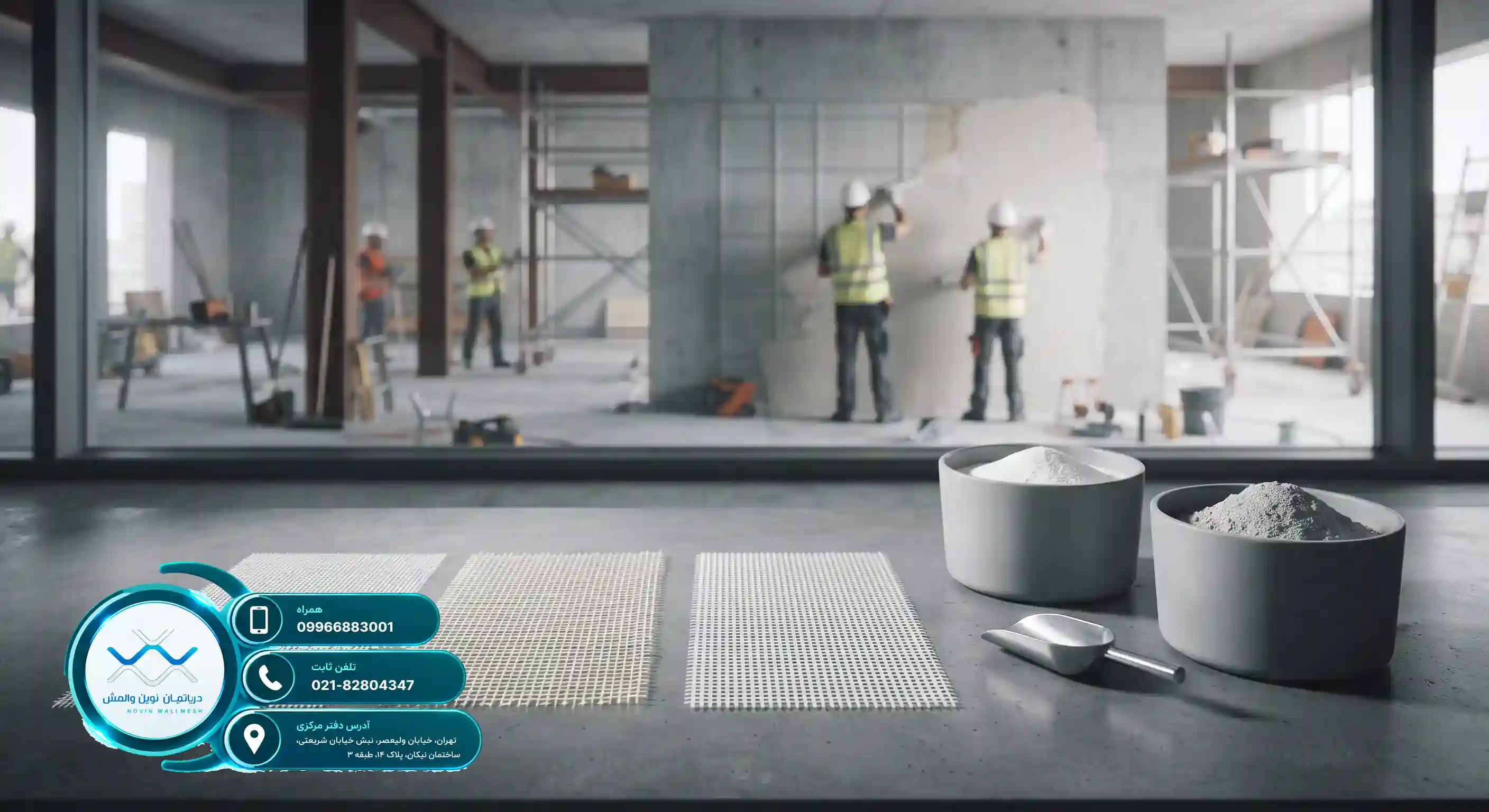
در سالهای اخیر، مقررات ملی ساختمان توجه ویژهای به مهار لرزهای دیوارهای غیرسازهای داشته است. زلزلههای مخرب گذشته به روشنی نشان دادند که تلفات و خسارات مالی فراوانی ناشی از ریزش دیوارهای میانقاب و پیرامونی رخ میدهد. برای مقابله با این پدیده، سیستمهای سنتی مانند والپستهای فلزی به دلیل هزینههای بالا، وزن زیاد و اجرای پیچیده جای خود را به فناوریهای نوین دادهاند. سیستم والمش به عنوان یک راهکار مهندسی کارآمد، با استفاده از توریهای الیاف شیشه و پلاستر مخصوص، پیوستگی فوقالعادهای به دیوار میبخشد.
بررسی مقایسه انواع توری و قیمت وال مش برای اجرای اصولی در سازهها نشان میدهد که انتخاب درست متریال تا چه اندازه در بهینهسازی هزینههای نهایی پروژهها مؤثر است. در این میان، دپارتمان نوین وال مش با ارائه محصولات استاندارد، نقش مهمی در ارتقای ایمنی سازهها ایفا میکند.
استفاده از مصالح باکیفیت مانند انواع مش فایبرگلاس E-Glass، C-Glass و Zr-Glass به همراه پلاستر پایه گچی و سیمانی، دوام سازه را در برابر تنشهای محیطی و زلزله تضمین میکند. درک عوامل مؤثر بر قیمت وال مش برای کارفرمایان و مهندسان محاسب از اهمیت حیاتی برخوردار است تا بتوانند بودجه خود را به بهترین شکل مدیریت کنند.
یکی از ارکان اصلی تشکیلدهنده سیستم والمش، توری یا مش فایبرگلاس است. کیفیت، گرماژ، نوع الیاف و مقاومت کششی این توریها بهطور مستقیم بر قیمت وال مش اثر میگذارد. به عنوان مثال، مشهای مقاوم در برابر باز محیطهای قلیایی (AR-Glass یا Zr-Glass) به دلیل دوام بالا در محیطهای قلیایی گچ و سیمان، دارای ارزش و به تبع قیمت متفاوتی نسبت به نمونههای معمولی هستند.
مطالعات تخصصی در حوزه مش فایبرگلاس ساختمانی اثبات کرده است که استفاده از الیاف باکیفیت میتواند طول عمر سیستم مقاومسازی را به شکل چشمگیری افزایش دهد. علاوه بر توری، نوع پلاستر مصرفی (پلاستر پایه گچی یا پلاستر پایه سیمانی) نیز در برآورد نهایی هزینهها نقش کلیدی دارد.
جدول زیر مقایسهای اجمالی از انواع توریهای رایج و ویژگیهای آنها ارائه میدهد:
| نوع توری | مقاومت قلیایی | کاربرد اصلی |
|---|---|---|
| E-Glass | متوسط | فضای داخلی خشک |
| C-Glass | خوب | محیطهای عمومی |
| Zr-Glass | بسیار بالا | نمای خارجی و محیطهای مرطوب |
مجموعه دپارتمان نوین وال مش طیف کاملی از این محصولات را با بالاترین استانداردهای مهندسی فراهم کرده است تا مهندسان بتوانند بهترین انتخاب را بر اساس نیاز پروژه خود داشته باشند.
برآورد دقیق قیمت وال مش در سال جدید خورشیدی
در سالهای اخیر، صنعت ساختمانسازی ایران شاهد تحولات چشمگیری در حوزه ایمنی و مقررات ملی ساختمان بوده است. دیوارهای غیرسازهای یا همان میانقابی، همواره یکی از نقاط آسیبپذیر در برابر نیروهای جانبی ناشی از زلزله بودهاند. روشهای سنتی مانند نبشیکشی اگرچه سالهاست مورد استفاده قرار میگیرند، اما به دلیل وزن بالا، هزینههای اجرایی گزاف و رفتارهای غیرمنطقی در برابر برش و لرزش، جای خود را به فناوریهای نوین دادهاند. سیستم نوین تسلیح دیوارها با نام تجاری شناختهشدهی خود، یک راهکار مهندسی پیشرفته است که به جای المانهای فلزی سنگین، از مش فایبرگلاس و پلاستر مخصوص بهره میبرد.
بررسی قیمت وال مش نیازمند شناخت دقیق اجزای تشکیلدهنده آن است. این سیستم به عنوان جایگزینی بینقص برای مهاربندهای سنتی دیوارهای پیرامونی و داخلی شناخته میشود. برای آشنایی بیشتر با جزئیات اجرایی و راهکارهای مهندسی، میتوانید به دپارتمان نوین وال مش مراجعه کنید تا از مشاوره تخصصی کارشناسان بهرهمند شوید. آگاهی از هزینهها و انتخاب متریال باکیفیت، نخستین گام در راستای بهینهسازی بودجه پروژه و در عین حال ارتقای ضریب ایمنی سازه در برابر زلزلههای احتمالی است.
طراحان و محاسبان سازه همواره به دنبال تعادل میان هزینه تمامشده و استانداردهای آییننامهای (مانند استاندارد 2800) هستند. استفاده از مشهای فایبرگلاس استاندارد نه تنها بار مرده ساختمان را به شدت کاهش میدهد، بلکه سرعت اجرای پروژه را به طور چشمگیری افزایش خواهد داد. در این مقاله قصد داریم تمامی ابعاد مالی، فنی و اقتصادی مؤثر بر هزینههای اجرای این سیستم را در سال جدید خورشیدی زیر ذرهبین ببریم تا تصمیمگیری برای سازندگان و مهندسان تسهیل گردد.
تعیین نرخ نهایی برای اجرای سیستمهای تسلیح دیوار به پارامترهای متعددی بستگی دارد که هر یک میتوانند تأثیر مستقیم یا غیرمستقیم بر بودجه نهایی پروژه داشته باشند. از مهمترین این عوامل میتوان به جنس الیاف توری، ابعاد چشمهها، وزن واحد سطح (گرماژ)، نوع پلاستر مصرفی (پایه گچی یا سیمانی) و حتی شرایط بازار مصالح ساختمانی اشاره کرد. به عنوان مثال، توریهای باکیفیت بالا مقاومت کششی فوقالعادهای از خود نشان میدهند که همین امر موجب تفاوت نرخ آنها با نمونههای نامرغوب موجود در بازار میشود.
برای درک بهتر تفاوتهای ساختاری و اقتصادی، مطالعه مقاله تخصصی مقایسه انواع توری و قیمت وال مش برای اجرای اصولی در سازهها بسیار راهگشا خواهد بود. در جدول زیر، نمایی کلی از اجزای هزینه و میزان تأثیرگذاری آنها را مشاهده میکنید:
| عجز تشکیلدهنده | نقش در سیستم | میزان تأثیر بر قیمت کل |
|---|---|---|
| مش فایبرگلاس E-Glass / Zr-Glass | تحمل تنشهای کششی و توزیع نیروی زلزله | زیاد (حدود 40%) |
| پلاستر (گچی یا سیمانی) | پوششدهی مش و ایجاد چسبندگی با بستر دیوار | متوسط (حدود 30%) |
| اتصالات و نبشیهای گالوانیزه مهاربندی | ثبات اولیه و اتصال به اجزای سازهای | کم تا متوسط (حدود 20%) |
| دستمزد اجرا و نصب تخصصی | پیادهسازی دقیق مطابق جزئیات مهندسی | متوسط (حدود 10%) |
نوسانات نرخ ارز و هزینههای واردات مواد اولیه الیاف شیشه نیز از دیگر عوامل بنیادین در نوسانات سالانه هستند. بنابراین، رصد مداوم بازار و استعلام قیمت از منابع معتبر، کلید مدیریت بهینه هزینههای پروژه خواهد بود.
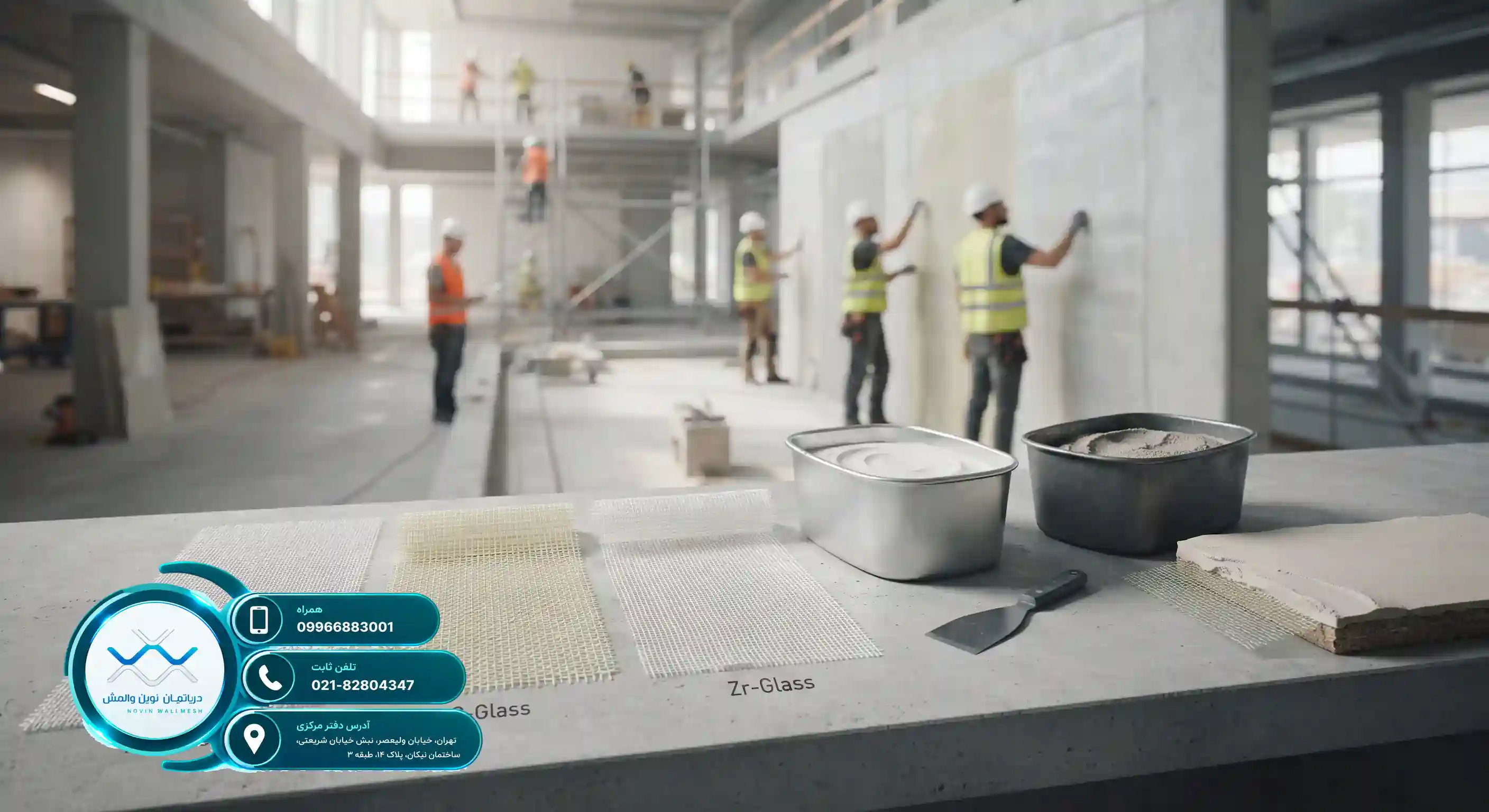
The Impact of Fiberglass Mesh Quality on the Final Wall Mesh Price
In recent years, modern retrofit systems for non-structural walls have replaced traditional methods such as heavy steel wall posts. At the heart of this technology lies a network of glass fibers, which serves as the primary load-bearing element for tensile stresses. When discussing wall mesh price, the first and most crucial factor that must be evaluated is the technical specifications and quality of the consumed fiberglass mesh. This product prevents wall collapse by uniformly distributing earthquake-induced forces.
Novin Wall Mesh Department has taken a major step toward enhancing structural safety by professionally providing engineered products. The quality of these meshes directly affects the overall system performance, and any illogical savings in their purchase can lead to irreparable costs during a crisis. In this article, we closely examine the relationship between fiberglass mesh quality and the finished cost of this system.
To better understand the costs, we need to know which parts make up the modern retrofit system:
Choosing each of these items can create fluctuations in the project's financial estimation, but the main difference always lies in the type and grade of the glass fibers.
Fiberglass meshes are produced in the Iranian and global markets with different fibers, each possessing its own specific mechanical characteristics. Understanding these categories is of high importance for employers and structural engineers:
There is a direct relationship between the type of material and the wall mesh price. For example, using zirconia-containing fibers increases the initial purchase price due to long-term chemical stability, but it drastically reduces future maintenance and repair costs. Along these lines, studying the specialized article on the impact of product warranty on wall mesh price can provide you with a comprehensive perspective regarding the valuation of these products.
The tensile strength of glass fibers has a direct relationship with their purity percentage and factory production process. Supervising engineers constantly emphasize that to ensure the accuracy of structural calculations, products must be used that possess valid international standards. For more information in this regard, consulting global standards such as ISO and related specialized organizations can be helpful.
The Impact of Weather Conditions on the Setting Time of Wall-Mesh Plaster
In modern construction projects, a precise understanding of environmental conditions is an undeniable necessity for the correct application of building materials. When discussing retrofitting systems, the application of wall-mesh plaster plays a key role in the integrity of walls. Whether these mortars are cement-based or gypsum-based, they exhibit behavior that is entirely dependent on ambient temperature and humidity. Cement hydration reactions and the water evaporation process in gypsum are directly influenced by climatic factors, and sudden weather changes can alter the final quality of the structure.
The Modern Wall Mesh Department strives to provide engineers with high execution standards by offering engineered and high-quality products. However, even the best products require strict adherence to execution guidelines tailored to weather conditions. For example, severe temperature fluctuations throughout the day and night can cause thermal stresses in the plaster layer, which doubles the importance of controlling the setting time.
Environmental factors such as wind speed, direct sunlight, and relative humidity are among the parameters that supervising engineers must carefully evaluate before starting construction operations. Ignoring these factors can lead to surface cracks, reduced adhesion of the plaster layer to the mesh network, and ultimately a drop in the strength of the entire retrofitting system.
Therefore, before making a final decision to execute projects, it is recommended to refer to our specialized articles such as Examining the Impact of Plaster Thickness on Wall Mesh Purchase to gain a more comprehensive view of the various execution dimensions and related costs.
The summer season and Iran's hot regions always create special challenges for the application of cement-based and gypsum-based plasters. At high temperatures, the evaporation rate of the water in the mortar increases sharply. This phenomenon causes a false acceleration of the setting time, and operators will have very limited time to shape and smooth the surface. Using high-quality products from the Modern Wall Mesh Department helps stabilize the system, but observing thermal precautions remains mandatory.
When the ambient temperature exceeds 35 degrees Celsius, the mortar water evaporates before the chemical reactions are complete. This causes what is known as "burning" of the plaster and the loss of its final strength. Under such conditions, deep and hairline cracks appear on the wall surface, which severely weaken the performance of the reinforcing layer.
To combat this phenomenon, execution engineers use solutions such as using cold water in mortar preparation, setting up shade structures on site, and moistening the substrate surface. Also, selecting the type of mesh fabric weave can be effective in distributing thermal stresses, more information on which is mentioned in the article Examining the Impact of Fabric Type in the Wall Mesh Buying Guide.
Reputable global manufacturers also recommend similar standards for controlling plaster application temperatures; as emphasized in the international standards for wall-mesh gypsum plaster, the surface temperature of the work should not be less than 5 and more than 30 degrees Celsius to achieve the best adhesion.

Cold and freezing are the exact opposite of heat and have a completely reverse effect on the setting time of plaster. At temperatures below 5 degrees Celsius, cement chemical activities slow down significantly, and the process of setting and gaining strength stops. If the water in the mortar freezes before the final setting, its volume increases, and the internal structure of the mortar is completely shattered.
In construction projects executed in cold seasons, the use of anti-freeze additives or temporary heating systems is mandatory to maintain the workshop environment temperature. Our specialists at the Modern Wall Mesh Department always advise contractors to strictly avoid applying plaster on frozen surfaces during cold days. The quality of raw materials plays an important role, but environmental conditions during execution are the primary determinant of structural durability.
Excessive slowing of the setting time in cold weather leads to prolonged formwork removal times or the application of subsequent layers, which reduces workshop operational efficiency. In addition, the long-term retention of moisture in the mortar may cause efflorescence or white staining on the wall surface.
The economic evaluation of these conditions is also very important; because damages resulting from mortar freezing can impose exorbitant costs on the project. To obtain information on how to procure quality materials and its connection with costs, reading the article The Impact of Product Warranty on Wall Mesh Price is recommended.
Relative air humidity is one of the key variables that directly affects the evaporation rate of free water from the plaster surface. In very dry and desert regions, air humidity is low, and the mortar water evaporates very quickly. This phenomenon is very similar to hot weather conditions and requires continuous curing or moistening to prevent shrinkage cracks.
In contrast, in humid regions with very high humidity, the water evaporation process slows down severely. This situation causes the initial and final setting times of the plaster to be prolonged and may disrupt the project execution schedule. Execution engineers must adjust the mortar formulation and execution schedule of various layers with a precise understanding of the regional climate.
The following table shows a comprehensive comparison of plaster behavior under various moisture conditions:
| Humidity Conditions | Water Evaporation Rate | Setting Time | Required Corrective Action |
|---|---|---|---|
| Very Low Humidity (Dry) | Very High | Very Fast (False) | Continuous curing and moistening |
| Balanced Humidity (Optimal) | Standard | Normal and Controlled | Observing the manufacturer's instructions |
| Very High Humidity (Humid) | Very Slow | Long and Slow-Setting | Increasing ventilation time and waiting for drying |
Observing these points ensures that the fiberglass mesh network is properly stabilized within the mortar and the structural performance of the wall is maintained.