تأثیر سمک التنفیذ على سعر لیاسة الأساس الأسمنتی لشبکة الجدران فی البناء
تأثیر سمک التنفیذ على سعر لیاسة الأساس الأسمنتی لشبکة الجدران فی البناء
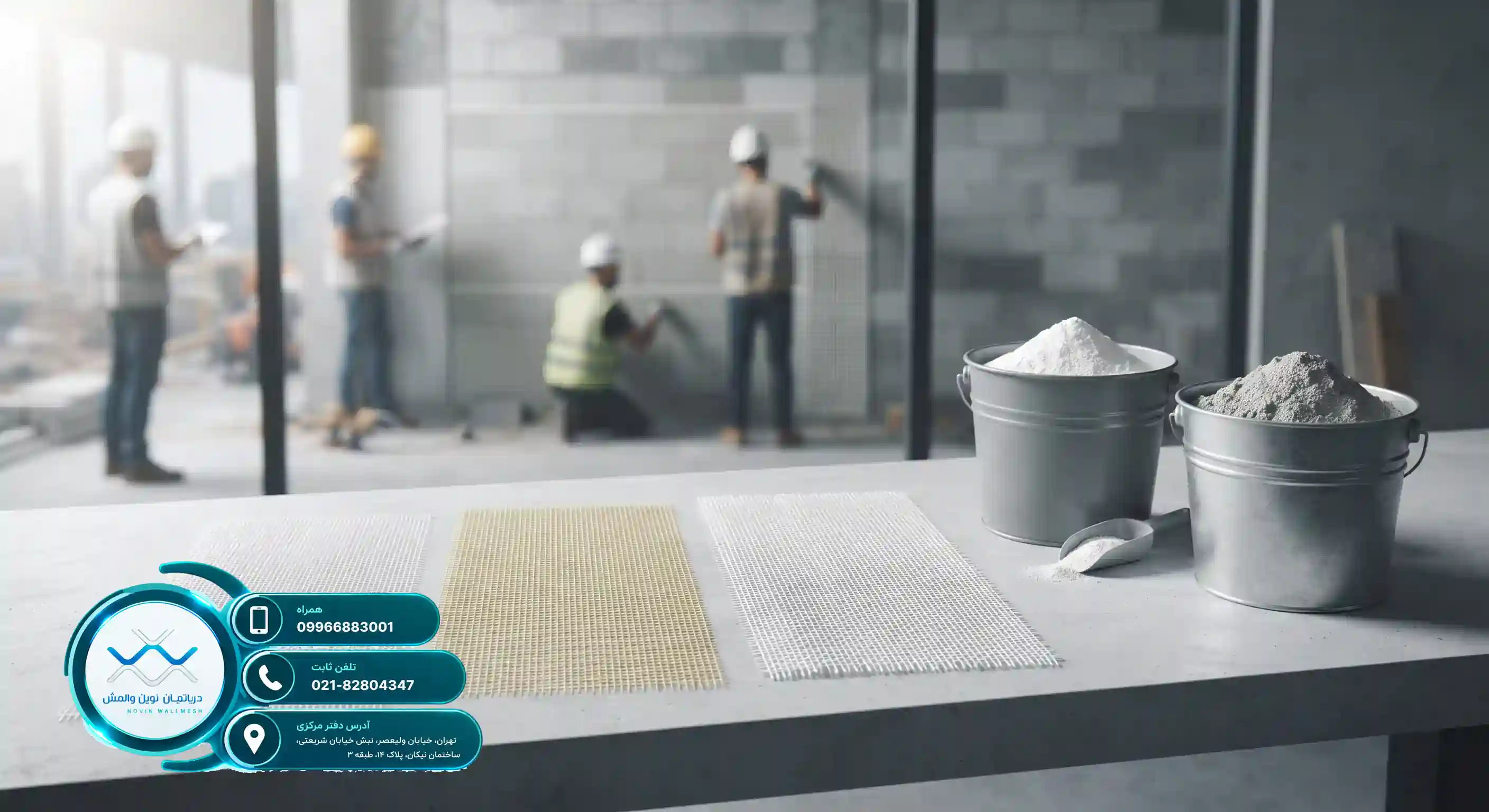
الدور الحاسم للسمک فی الهندسة الإنشائیة والتکلفة النهائیة
فی عالم البناء الحدیث، تحظى سلامة الجدران غیر الإنشائیة بأهمیة خاصة. تُعرف أنظمة التدعیم الحدیثة مثل شبکة الجدران (وال مش) کبدیل موثوق للطرق التقلیدیة. أحد أهم العوامل الفنیة والاقتصادیة فی تنفیذ هذه الأنظمة هو سمک طبقة الطلاء. یتأثر سعر لیاسة الأساس الأسمنتی لشبکة الجدران بشکل مباشر بمقدار السمک المنفذ فی المشروع. یجب على المهندسین ومنفذی البناء دائمًا إیجاد توازن دقیق بین معاییر مقاومة الضغط وتکالیف التنفیذ.
وفقًا للمعاییر الهندسیة، تتولى اللیاسة الأسمنتیة مسؤولیة حمایة شبکة الألیاف الزجاجیة وخلق تکامل فی سطح الجدار. تساعد شرکة تارسازه المهندسین فی اختیار السمک الأمثل لمشاریعهم من خلال تقدیم شبکات عالیة الجودة واستشارات تخصصیة. فی هذا المقال الشامل، سنستعرض جمیع أبعاد تأثیر سمک التنفیذ على التکالیف.
للفهم الأفضل لسلوک اللیاسة الأسمنتیة بمقاییس عالمیة، یمکن الرجوع إلى المعاییر التی تطرحها مصادر معتمدة مثل لیاسة الأسمنت لشبکة الجدران والتی تقدم تقنیات الأسمنت الحدیثة. لا یمنع الاختیار الصحیح للسمک التشققات فحسب، بل یزید بشکل ملحوظ من العمر الافتراضی للجدار.
ما هو السمک القیاسی وکیف یتم حسابه؟
تحدید السمک الأمثل للیاسة الأساس الأسمنتی هو عملیة هندسیة بالکامل. عادة ما یتراوح سمک تنفیذ هذه اللیاسات بین 15 إلى 30 ملم، والذی یتم تصمیم بحسب نوع الجدار والارتفاع والأحمال الجانبیة. إذا تم تنفیذ السمک أقل من الحد القیاسی، فلن تُغمر شبکة الألیاف الزجاجیة جیدًا فی مصفوفة الأسمنت وستفقد أدائها التسلیحی. من ناحیة أخرى، فإن تنفیذ سمک زائد عن الحد یؤدی إلى زیادة الحمل المیت للمنشأة وهدر المواد.
تُظهر الدراسات التی أجرتها مجموعات دولیة مثل لیاسة الأسمنت لشبکة الجدران أن توحید السمک فی جمیع نقاط الجدار هو المفتاح الرئیسی لل متانة على المدى الطویل. وفی هذا السیاق، یُظهر أیضًا استعراض تأثیر تکلفة النقل على سعر لیاسة الأساس الأسمنتی لشبکة الجدران فی الدولة أن حجم ووزن المواد المستخدمة لهما علاقة مباشرة بتکالیف الخدمات اللوجستیة.
یوصی مستشارو تارسازه بفحص السطح التحتیة بعنایة قبل بدء التنفیذ لتقلیل الحاجة إلى طبقات أکثر سمکًا إلى الحد الأدنى.
کیف یؤدی زیادة السمک إلى تصاعد التکالیف بشکل کبیر؟
کلما زاد سمک طبقة اللیاسة الأسمنتیة على شبکة الألیاف، زادت کمیة المسحوق الجاف أو الملاط الجاهز المستهلکة. یؤثر هذا الأمر بشکل مباشر على سعر لیاسة الأساس الأسمنتی لشبکة الجدران. على سبیل المثال، فإن مضاعفة السمک من 15 ملم إلى 30 ملم تضاعف حجم المواد المستخدمة وترفع تکالیف الشراء بشکل حاد.
بالإضافة إلى حجم المواد، تلعب أمور مثل نوع الترکیبة دورًا أیضًا. لمزید من المعلومات فی هذا المجال، یقدم المقال التخصصی تأثیر نوع الإضافات على سعر لیاسة الأساس الأسمنتی الحدیث لشبکة الجدران معلومات مفیدة لک. کما أن الاختلاف فی الهیکل الإنتاجی للمصانع المختلفة یمکن أن یکون مؤثرًا فی التقدیر النهائی للمشروع، وللفهم الأفضل لذلک یمکنک مراجعة مقال سبب اختلاف سعر لیاسة الأساس الأسمنتی لشبکة الجدران فی العلامات التجاریة المختلفة.
یتطلب التنفیذ الصحیح لللیاسة على شبکة الجدران دقة عالیة وأدوات قیاس تسویة دقیقة لتجنب هدر المواد.
التحلیل الاقتصادی لأسمکة التنفیذ فی لمحة
للفهم الأفضل لتأخیر أو تسریع التکالیف فی مشاریع البناء، یعد الفحص الدقیق للکمیات المستخدمة مفیدًا للغایة. یوضح الجدول أدناه تحلیلًا کاملًا للعلاقة بین سمک طبقة اللیاسة، ومعدل استهلاک المواد لکل متر مربع، ومستوى صعوبة التنفیذ:
| سمک التنفیذ (ملم) | الاستهلاک التقریبی للملاط (کجم لکل متر مربع) | التأثیر على سعر لیاسة الأساس الأسمنتی لشبکة الجدران | مستوى صعوبة التنفیذ |
|---|---|---|---|
| 10 إلى 15 | 20 إلى 25 | اقتصادی وأمثل | متوسط |
| 16 إلى 25 | 26 إلى 40 | قیاسی وشائع | عادی |
| 26 إلى 35 | 41 إلى 55 | مرتفع ویتطلب میزانیة أکبر | صعب (متعدد المراحل) |
یساعد هذا الجدول أصحاب العمل على وضع میزانیة دقیقة قبل بدء عملیات التنفیذ لشراء منتجات تارسازه وتجنب حدوث تکالیف غیر متوقعة.
لماذا یُعتبر تنفیذ طبقات اللیاسة السمیکة محفوفًا بالمخاطر؟
عندما یقرر منفذو البناء تنفیذ اللیاسة الأسمنتیة بسمک یتجاوز الحد القیاسی، فإنهم یواجهون تحدیات فیزیائیة وکیمیائیة عدیدة. تعانی الملاطات الأسمنتیة من الانکماش نتیجة الجفاف. إذا کان سمک الطبقة کبیرًا جدًا، فإن إجهادات الشد الناتجة عن تبخر الماء تزید وتؤدی إلى تکوین تشققات عمیقة على سطح الجدار.
لا یؤدی تکوین التشققات الشعریة إلى إفساد مظهر العمل فحسب، بل یسمح للرطوبة بالتغلغل داخل الجدار ویضعف بمرور الوقت شبکة الألیاف الزجاجیة. لذلک، فإن زیادة السمک على أمل زیادة المقاومة یأتی بنتیجة عکسیة فی بعض الأحیان. لتجنب هذه الظاهرة، یشدد المهندسون المشرفون بشکل خاص على المراقبة المستمرة للسمک.
تم ترکیب منتجات تارسازه التخصصیة بطریقة تتیح تنفیذًا موحدًا وقیاسیاً بفضل التصاقها الممتاز بالقاعدة. إن الالتزام بالسمک المقترح من قبل الخبراء سیکون ضمانًا للجودة النهائیة للمنشأة.
وقت أکثر، قوى عاملة أکثر تخصصًا، أجور أعلى
عامل آخر یؤثر على التکالیف الإجمالیة للمشروع هو أجور فریق التنفیذ. یُنفذ طلاء اللیاسة فی الأسمکة العالیة عادةً على عدة مراحل (طبقتین أو ثلاث طبقات). فی کل مرحلة، یجب على فریق التنفیذ الانتظار حتى تجف الطبقة السابقة إلى حد ما ثم تنفیذ الطبقة التالیة. هذه العملیة تستغرق وقتًا وتتطلب عمالة ماهرة.
لذلک، فإن زیادة السمک، بالإضافة إلى تکلفة المواد الأولیة، تؤثر على سعر لیاسة الأساس الأسمنتی لشبکة الجدران من خلال تکالیف الأجور ووقت توقف المشروع. یعرف المقاولون ذوو الخبرة أن تحسین السمک یمکن أن یزید من سرعة تنفیذ المشاریع بشکل ملحوظ.
إن استخدام المواد الجیدة والقیاسیة یجعل التنفیذ على مرحلة واحدة ممکنًا فی الأسمکة المسموحة، وبالتالی یقلل التکالیف الإجمالیة للمشروع.
مقارنة شاملة للمؤشرات الفنیة والاقتصادیة
لکی نتمکن من اتخاذ القرار النهائی الصحیح، یُخصص الجدول الثانی من المقال لفحص المؤشرات الرئیسیة للکفاءة، ومقاومة القص، والتکلفة النهائیة:
| مؤشر التقییم | سمک منخفض (أقل من 10 ملم) | سمک أمثل (15 إلى 25 ملم) | سمک کبیر (أکبر من 30 ملم) |
|---|---|---|---|
| المقاومة ضد الزلازل | ضعیف (عدم تغطیة کاملة للشبکة) | ممتاز وقیاسی | جید (حمل میت مرتفع) |
| خطر التشققات | منخفض | منخفض جداً | مرتفع جداً |
| التکلفة الإجمالیة للتنفیذ | رخیص ولکنه غیر مقبول | مبرر تمامًا | باهظ الثمن وغیر منطقی |
یُظهر هذا التقییم الهندسی أن اختیار النطاق الأمثل هو الخیار الأفضل للمنشئین سواء من الناحیة الفنیة أو الاقتصادیة.
کیف ندیر تکالیف لیاسة الأساس الأسمنتی؟
لإدارة التکالیف بشکل أمثل فی مشاریع التدعیم، من الضروری الالتزام ببعض النقاط الرئیسیة. أولاً، یجب أن یکون سطح الجدران التحتیة مسطحًا ومتجانسًا تمامًا قبل ترکیب الشبکة وتنفیذ اللیاسة. إذا تم ملء نتوءات ومنخفضات الجدار باللیاسة، فسوف یزداد السمک تلقائیًا فی بعض النقاط وترتفع التکالیف. یُعد استخدام طبقة أساس أولیة لإزالة عدم الانتظام حلًا مناسبًا.
ثانیًا، یضمن اختیار العلامات التجاریة المعتمدة والقیاسیة مثل المنتجات المقدمة فی تارسازه أن یحقق السمک المنفذ أعلى کفاءة. تجعل الجودة العالیة لمسحوق اللیاسة مقاومة الشد والالتصاق الفائقین ممکنین حتى فی الأسمکة الأقل، مما یؤثر بشکل إیجابی مباشر على التحکم فی سعر لیاسة الأساس الأسمنتی لشبکة الجدران.
أخیرًا، تمنع الإشراف الدقیق للمهندس المشرف فی جمیع مراحل التنفیذ الأخطاء المحتملة وتحافظ على رأس مال المشروع.
| الأسئلة المتکررة | الإجابة التخصصیة |
|---|---|
| ما هو السمک القیاسی لیاسة الأساس الأسمنتی لشبکة الجدران؟ | عادة ما یکون السمک القیاسی بین 15 إلى 25 ملم والذی یختلف اعتمادًا على التصمیم الإنشائی. |
| لماذا تؤدی زیادة سمک اللیاسة إلى زیادة السعر؟ | لأن حجم المواد المستخدمة، وقت التنفیذ وأجور القوى العاملة تزداد بشکل مباشر. |
| هل السمک الأقل من 10 ملم مناسب لشبکة الجدران؟ | لا، السمک القلیل یتسبب فی عدم التغطیة الکاملة لشبکة الألیاف الزجاجیة ویقلل مقاومة القص للجدار. |
| کیف یمکن منع تشقق اللیاسة السمیکة؟ | من خلال التنفیذ على مراحل متعددة، المعالجة الصحیحة (الکیورینغ) واستخدام الإضافات الجیدة. |
| ما هو دور تارسازه فی تحدید السمک الأمثل للیاسة؟ | تقدم هذه الشرکة من خلال توفیر منتجات عالیة الجودة والاستشارات الفنیة أفضل حل لتنفیذ قیاسی. |
| هل یؤثر نوع المواد التحتیة على سمک اللیاسة؟ | نعم، عدم استواء الجدار التحتیة یزید من الحاجة إلى طبقة لیاسة أکثر سمکًا. |
| ما هو تأثیر تکلفة النقل على السعر النهائی لللیاسة؟ | مع زیادة السمک، یصبح وزن المواد أکبر وتزداد تکلفة الخدمات اللوجستیة والنقل أیضًا. |
| هل یتطلب تنفیذ اللیاسة بسمک کبیر خبرة؟ | نعم، یجب أن یمتلک فریق التنفیذ المهارة الکافیة للتحکم فی الانکماش ومنع سیلان الملاط. |
| ما هی العلاقة بین سعر لیاسة الأساس الأسمنتی لشبکة الجدران وعیار الأسمنت؟ | العیار الأعلى والإضافات الحدیثة ترفع الجودة وتضبط السعر بما یتناسب مع الکفاءة. |
| ما هی أفضل أداة لقیاس سمک اللیاسة؟ | استخدام صفائح القیاس (الشیم) القیاسیة، میزان اللیزر ومسامیر التوجیه للسمک. |
المرجع التخصصی للهندسة الإنشائیة والضوابط التنفیذیة لشبکة الجدران - نشرات مرکز أبحاث الطرق، الإسکان والعمران
Steps to Know for Implementing Wall Mesh in Clay Brick Walls
Steps to Know for Implementing Wall Mesh in Clay Brick Walls
Why Do Clay Brick Walls Need Reinforcement?
Due to their relatively light weight and high execution speed, clay brick walls have long been one of the most widely used materials in the construction industry. However, the seismic behavior of these walls during earthquakes is usually poor, and if not properly restrained, they suffer brittle and shear failures. To address this challenge, engineers have turned to modern retrofitting methods, among which using wall mesh has emerged as a standard and economical alternative to traditional methods like angle bracing.
In new building codes, such as Standard 2800, strict regulations have been established for the seismic restraint of non-structural walls. Clay brick walls alone lack the necessary cohesion against lateral loads, and their premature cracking can cause severe loss of life and financial damage. Therefore, a thorough understanding of how to implement reinforcement systems, including fiber networks, has gained dual importance.
Structural Challenges of Clay Bricks Against Earthquakes
Clay blocks are brittle, and the mortar bond to them is sometimes not strong enough. During an earthquake, severe shaking causes in-plane and out-of-plane shear in the wall. If the wall is not properly tied, it collapses easily. For a deeper understanding of the engineering principles of these systems, reading Key Tips for Non-Structural Wall Retrofit with Wall Mesh will be very helpful and assists contractors in minimizing execution errors.
Furthermore, choosing materials compatible with clay blocks plays a decisive role in ultimate durability. Engineers at Tarsazeh strive to resolve this structural defect in the best possible way by offering engineered products.
Components of the Non-Structural Reinforcement System
The modern wall mesh system is a collection of coordinated components that, together, exhibit integrated performance against earthquakes. Understanding these components is essential for every supervising engineer and construction project contractor. Unlike older methods that relied solely on steel angles, this system absorbs and transfers the load applied to the wall in a distributed manner.
The most important components of this system include:
1. Fiberglass Mesh Strips: Act as the core of the retrofitting.
2. Plaster (Mineral Gypsum-based or Cement-based): To cover and embed the fiber network into the wall surface.
3. U-tracks and Connection Profiles: To restrain the wall edges to the main structural frame.
The Vital Role of Fibers in Wall Integrity
The glass fiber network undertakes the primary task of bearing the tensile stresses caused by earthquakes. Reviewing The Role of Fiberglass Mesh in Retrofitting Non-Structural Walls with Wall Mesh demonstrates how these networks prevent crack concentration in clay blocks by uniformly distributing stress. Using high-quality fibers such as Tarsazeh's E-Glass fiberglass mesh significantly increases the tensile strength of the wall.
Additionally, in environments with high humidity or corrosive conditions, engineers recommend using more specialized options such as The Role of Zr-Glass Fiberglass in Wall Mesh for Chemical Environments to ensure the long-term durability of the structure.
Substrate Preparation; The First Step for Flawless Execution
Before beginning the installation of reinforcement systems on clay brick walls, surface preparation is of vital importance. If the wall surface is uneven or dust and mortar residue remain on it, the adhesion of the plaster will be drastically reduced, and the entire project will face the risk of failure. Therefore, thorough cleaning of the clay block surface is considered the first execution step.
At this stage, all open joints, potential deep cracks, and severe unevenness must be filled with suitable mortar. Due to their high water absorption property, clay brick walls may quickly absorb the plaster water, which prevents proper setting of the mortar. For this reason, dampening the wall surface prior to applying the base layer is a technical necessity.
Key Tips in Preparing Clay Brick Walls
Strict adherence to the following guidelines during the preparation stage is mandatory:
- Removing any grease, dust, soot, and construction waste from the clay surface.
- Dampening the wall surface prior to applying the first layer of Tarsazeh gypsum-based or cement-based plaster.
- Checking the overall stability of the wall and ensuring there are no lateral deviations exceeding the allowable limit.
- Controlling the plumbness of the wall edges at the junctions with columns and beams.
By carefully executing these steps, a suitable substrate is provided for placing the fiber strips, and the final system will exhibit the highest efficiency against lateral loads.
Geometric Design and Principled Arrangement of Fiber Strips
After preparing the wall substrate, it is time to determine the dimensions, cutting, and arrangement of the mesh strips. This stage must be carried out precisely in accordance with execution drawings and engineering calculations. The width of the strips, their distance from one another, and the number of layers are all determined by the structural designer based on the wall height, length, and seismic zone.
Fiberglass meshes are produced in various types. For example, standard products such as Tarsazeh's E-Glass fiberglass mesh perform exceptionally well for conventional construction projects. When cutting the meshes, care must be taken so that they do not fray and the dimensions match the execution drawings completely.
Principles of Installing Mesh Strips on Clay Brick Walls
To correctly install the mesh on clay brick walls, the following points should be applied:
- Using strips of standard width according to the structural designer's instructions.
- Observing proper overlap at the connection points of the mesh pieces to each other (usually at least 10 to 15 centimeters).
- Initial tacking of the mesh using mechanical tools or a thin layer of plaster to prevent its displacement.
Paying attention to these technical details ensures that earthquake-induced stresses are distributed homogeneously across the entire surface of the clay brick wall, preventing stress concentration at any specific point.
The Vital Role of Plaster in Covering and Reinforcing the Wall
Plaster acts as the binding material and force-transfer medium between the clay block and the fiberglass network. The choice of plaster type depends directly on the environmental conditions of the project. Tarsazeh's gypsum-based plaster is an ideal option for dry interior spaces, while for facades or moisture-exposed spaces, the use of Tarsazeh's cement-based plaster is strongly recommended.
Applying plaster should be done in two stages: the bottom layer for embedding the fiberglass mesh and the top layer for creating a smooth, uniform surface ready for painting or final finishing. The thickness of the plaster layer must be completely uniform to prevent weak points in the system.
Execution Guidelines for Plastering Over Wall Mesh
Observing the following points greatly enhances the final quality of the work:
| Plaster Type | Suitable Application Location | Main Advantage |
|---|---|---|
| Gypsum-Based Plaster | Dry interior walls | High setting speed and completely smooth surface |
| Cement-Based Plaster | Exterior space and humid environments | Excellent resistance to water and atmospheric agents |
Correct application of the plaster ensures that the glass fibers are well encapsulated within the cementitious or gypsum matrix, creating a flawless composite performance.
Edge Restraint and Proper Connection to the Main Skeleton
One of the most sensitive parts of executing the reinforcement system in clay brick walls is how to connect the wall edges to adjacent structural elements such as columns, beams, and concrete slabs. Non-structural walls should not be rigidly connected to columns; rather, slight in-plane movement must be allowed so they do not damage the structural frame during an earthquake.
For this purpose, U-tracks, tees, or restraining angles are used at the top and around the wall. These connections allow the wall to remain stable in place while preventing the transmission of destructive lateral loads. In some advanced international systems, similar to the techniques used in Wall Mesh in the EIFS System, edge restraint is performed with extraordinary precision to preserve thermal and acoustic insulation as well.
Execution Details of Edge Connections
The following tips are important for principled restraint of clay brick wall edges:
- Using intermittent or continuous U-tracks with engineered dimensions at the top and sides of the wall.
- Providing an allowable gap (control joint) between the wall and the column and filling it with flexible materials.
- Ensuring complete anchorage of the fiberglass mesh strips inside the edge connection profiles.
Based on empirical studies similar to standards in reference projects such as Wall Mesh in the EIFS System, the correct execution of edge connection details plays a decisive role in the safety of the entire structure against severe earthquakes.
Engineering Errors and Solutions to Prevent Them
The unprincipled execution of any engineering system can reduce its efficiency to zero. In executing wall mesh on clay brick walls, certain common errors are committed by execution teams, awareness of which is essential for supervising engineers. Recognizing these mistakes prevents the waste of capital and a decrease in the building's safety factor.
Some of the most common execution errors include:
1. Failing to dampen the clay wall: Causes water absorption from the mortar and a drastic drop in plaster strength.
2. Insufficient mesh overlap: Reduces tensile cohesion across the wall surface.
3. Inappropriate plaster thickness: Incomplete mesh coverage or excessive thickness leading to cracking.
How to Ensure Execution Quality?
To prevent these problems, continuous supervision of the work stages is mandatory. Execution teams must receive necessary training regarding the use of standard products such as meshes produced by Tarsazeh. Also, strict control of plaster thickness and ensuring complete embedding of the mesh within the mortar layer are primary duties of the resident workshop supervisor.
Strict adherence to codes, the use of quality materials, and in-process inspections are the keys to success in the flawless execution of reinforced non-structural walls.
Final Evaluation of Retrofitting System Efficiency
After completing the execution steps and the complete drying of the plaster on the clay brick walls, the quality control and final inspection stage begins. At this stage, all wall surfaces are inspected for the absence of surface hairline cracks, alignment, and the stability of edge connections. Careful supervision at this stage guarantees the correct performance of the wall under critical conditions.
Quality inspectors must carefully document items such as the uniformity of plaster thickness, complete adhesion of the mortar to the clay blocks and fiberglass mesh, and the correct execution of edge restraints. Any defects at this stage must be resolved before starting the final finishing operations.
Wall Mesh Final Inspection Checklist
| Row | Inspection Item | Acceptance Standard |
|---|---|---|
| 1 | Plaster surface uniformity | Free of waves and deep cracks |
| 2 | Mesh embedding | No mesh visible on the outer surface of the plaster |
| 3 | Edge connection stability | Complete anchorage in U-track profiles |
By observing these principles and utilizing high-quality Tarsazeh products, building safety is maximized, and code requirements are fully met.
| Question | Answer |
|---|---|
| What is the application of wall mesh in clay brick walls? | It is used to retrofit and reinforce non-structural walls against lateral loads and earthquakes. |
| Why do clay brick walls need retrofitting? | Due to the brittleness of clay blocks and their poor behavior against earthquake shear forces. |
| What are the main components of the wall mesh system? | It includes fiberglass mesh, mineral plaster (gypsum or cement-based), and edge connection profiles. |
| What type of plaster is used for humid spaces? | Tarsazeh's cement-based plaster is a suitable option due to its high moisture resistance. |
| Is it necessary to dampen the clay wall before execution? | Yes, it is necessary to prevent the absorption of plaster water by the clay and to improve adhesion. |
| What is the role of E-Glass fiberglass mesh? | Bearing tensile stresses and uniformly distributing forces across the wall surface. |
| What is the main characteristic of Zr-Glass mesh? | Excellent resistance to alkaline and chemical environments and high durability. |
| What is the minimum overlap amount for mesh strips? | Usually at least 10 to 15 centimeters at the connection points of the mesh pieces. |
| How can plaster cracking be prevented? | By observing uniform thickness, proper curing, and using standard Tarsazeh plasters. |
| Should the connection of the wall mesh to columns be rigid? | No, slight in-plane movement of the wall must be allowed so that no damage is caused to the structure. |
Building seismic design code (Iranian Standard 2800) and technical guidelines for reinforcing non-structural walls by Tarsazeh.
The Role of Order Volume in the Price of Modern Cement-Based Plaster for Wall Mesh Projects
The Role of Order Volume in the Price of Modern Cement-Based Plaster for Wall Mesh Projects
The Role of Order Volume in the Final Price of Modern Materials
In modern construction projects, cost management is considered one of the core pillars of success for contractors and employers. When it comes to implementing modern strengthening systems such as non-structural wall reinforcement systems, having precise information about the price of modern cement-based plaster for wall mesh becomes doubly important. These engineered mortars play a key role in covering and bonding Tarsازه fiberglass meshes and guaranteeing the final quality of the wall.
The order volume of raw materials, including cement-based plaster, directly affects the factory pricing structure and transportation costs. On a large scale, suppliers consider special discounts for bulk purchases, which can significantly reduce overall project costs. Therefore, carefully reviewing project requirements before initiating purchases is a strategic step in value engineering.
Many consulting engineers believe that optimizing order volume not only prevents the excessive accumulation of materials on the job site but also prevents project stoppages due to material shortages. This delicate balance requires an accurate understanding of daily consumption and site storage conditions to minimize material waste.
Furthermore, to better understand these economic concepts, you can refer to the specialized article Economic Analysis of Cement-Based Plaster Price in Wall Mesh Projects, which provides further details and sheds light on the hidden angles of the market.
Project Scale and Economies of Scale in Material Procurement
Economies of scale is one of the fundamental laws of the market, which is also clearly visible in the construction industry. When a large construction project, such as a multi-block commercial or residential complex, begins, the need for wall reinforcement materials increases sharply. In this case, inquiring about the price of modern cement-based plaster for wall mesh is done on a per-ton or per-pallet basis, which has a meaningful difference from retail and bagged purchases.
Major manufacturers and specialized companies define tiered pricing for their products. For example, purchases under five tons are subject to retail tariffs, while orders over twenty tons benefit from wholesale discounts and special payment facilities. These pricing tiers directly affect the contractor's initial financial estimate.
Based on international construction standards approved by leading companies such as Wall-Mesh Cement Plaster, using standard mortars in high volumes will be very cost-effective due to reduced logistical overhead costs. Smart employers try to bring their order volume up to the factory discount threshold by consolidating different phases of the project.
Ultimately, careful planning for integrated purchasing not only reduces the unit price of materials but also guarantees consistency of quality throughout the project, since all shipments will be supplied from a single production batch and variations in technical specifications are reduced to zero.
The Role of Logistics and Transportation in the Final Price of Cement Plaster
Transportation costs constitute a significant portion of the final price of construction materials at the project site. When discussing the price of modern cement-based plaster for wall mesh, the cost of shipping cargo from the factory to the workshop should not be ignored. Low-volume orders require lighter vehicles or pickup trucks, whose per capita transportation fares are very high.
In contrast, high-tonnage orders are transported by ten-wheel trucks or trailers, which drastically reduces the transportation cost per kilogram of materials. The table below shows an approximate comparison of logistics costs based on order volume:
| Order Volume | Vehicle Type | Impact on Final Price |
|---|---|---|
| Less than 3 tons | Pickup or Nissan | Very high (unbalanced) |
| 3 to 10 tons | Khavar or light truck | Medium |
| More than 10 tons | Twin-axle truck or trailer | Very low and optimal |
Therefore, smart management of order volume and coordination with the sales department for complete shipment delivery is an effective strategy to control the project budget. Logistics engineers always strive to bring the transport fleet capacity to 100% to achieve the least empty space and highest efficiency.
The Mechanism of Tiered Discounts in Wall Mesh Material Supply
One of the most attractive parts of bulk purchasing in the modern construction materials market is the tiered pricing structure. Reputable manufacturers are eager to supply their products in high volumes to large projects because this stabilizes their production cycle. Therefore, awareness of how the price of modern cement-based plaster for wall mesh is calculated in bulk quantities greatly assists procurement managers.
When the order volume crosses certain thresholds, volume discounts are applied. These discounts may be in the form of a cash discount percentage, free shipping for part of the cargo, or the provision of credit and check payment terms. Each of these options manages the project's liquidity and increases the employer's financial maneuverability.
To gain more comprehensive information on how to inquire about prices and compare the conditions of various suppliers, reading the article Advantages and Price of Cement-Based Plaster for Wall Mesh in Non-Structural Walls is highly recommended. This source dissects the technical and economic benefits of these products.
The key point here is to maintain a balance between bulk purchase discounts and warehousing costs. If materials are purchased in excess of needs ahead of schedule, there is a risk of spoilage due to moisture or storage damage, which neutralizes the profit gained from the discount.
Challenges of Depot and Storage of High Volumes of Cement Plaster
Although bulk purchasing of materials is very economical from an economic standpoint, it brings its own specific challenges in the workshop environment. Cement-based plaster is a moisture-sensitive product, and its storage conditions have a direct impact on the final quality of the work. Therefore, examining the price of modern cement-based plaster for wall mesh must be done alongside assessing the costs of warehousing and material protection.
Cement plaster bags should not be placed directly on the ground and must be stacked on wooden pallets at a distance from the workshop walls. Furthermore, using waterproof tarps to cover pallets outdoors is mandatory. Failure to observe these principles causes the cement to lump and leads to a severe drop in its mechanical strength.
According to the technical guidelines of the reputable company Wall-Mesh Cement Plaster, the storage duration of these products in a dry warehouse should not exceed recommended limits. For this reason, large projects usually schedule their purchases in alternating shipments but with optimal volumes (for example, 5-ton shipments per week) to both benefit from relative discounts and avoid long-term warehousing problems.
This hybrid strategy minimizes project risks and ensures that the mortar used is always fresh, high-quality, and compliant with the engineering standards for reinforcing non-structural walls.
How to Get an Accurate Inquiry for Wall Mesh Material Prices?
Price inquiry in the volatile construction materials market requires compliance with principles and techniques to secure the best deal. When acting to purchase large quantities, requesting an official proforma invoice with precise technical details and order volume is of utmost importance. This prevents any misunderstandings upon cargo delivery and ensures financial transparency for the project.
The following items must be specified separately when inquiring about the price of modern cement-based plaster for wall mesh:
- Cement grade and mortar strength class
- Polymer or non-polymer nature of additives
- Packaging type (25 or 40 kg bags)
- Delivery location (factory gate or project site)
- Settlement terms (cash, barter, or credit)
Professional contractors usually receive price quotes from several reputable suppliers simultaneously and select the best option by formulating weights for indicators such as quality, price, delivery time, and supplier history. This structured approach prevents costly errors in material procurement.
It should also always be remembered that the cheapest option is not necessarily the best choice. The conformity of product quality with the technical specifications mentioned in the wall mesh implementation drawings is a red line for engineering projects that must not be sacrificed for cost reduction.
Evaluating the Value-to-Price Ratio Across Different Scales
One of the frequently asked questions by supervising engineers and project managers is whether the quality of cement-based plaster changes across different order volumes? The short answer is that reputable manufacturers do not sacrifice product quality for order volume, but the consistency of physical and chemical specifications in bulk purchases from a single production batch dramatically improves the final execution quality.
The comparative table below illustrates the different dimensions of low-volume versus high-volume purchasing:
| Evaluation Indicator | Low-Volume Purchase (Retail) | High-Volume Purchase (Wholesale) |
|---|---|---|
| Material Unit Price | High and undiscounted | Optimal with tiered discounts |
| Per Capita Logistics Cost | Expensive and uneconomical | Very economical |
| Production Batch Consistency | Low (probability of color and quality variance) | High (integrated factory production) |
| Warehouse Management | Simple but frequent | Requires standard depot space |
Looking at this table, the strategic advantages of bulk purchasing for medium and large projects become clearly apparent. Smart choice of order volume is a powerful tool for budgeting control and upgrading the structural execution standard.
Conclusion and Final Recommendations for Project Managers
In this article, we comprehensively examined the impact of order volume on the price of modern cement-based plaster for wall mesh. It became clear that precise supply chain management and awareness of construction market economic mechanisms play a decisive role in reducing the final costs of strengthening projects. Using high-quality fiberglass meshes and standard mortars is a long-term investment for increasing earthquake safety.
Contractors and employers must perform precise engineering calculations to predict the total volume of materials required for the project and benefit from factory discounts by signing supply contracts in alternating yet volumetric batches. While controlling costs, this approach prevents capital dormancy and excessive warehousing depreciation.
The final recommendation is to always obtain necessary specialized consultations from sales engineering teams before finalizing purchasing contracts and check the complete compliance of products with national building codes and standards. A smart choice today will guarantee the durability and stability of your structure tomorrow.
"Principled reinforcement of non-structural walls with the wall mesh system is not a cost, but a reliable investment to preserve human life and property against natural disasters."
| Frequently Asked Question | Expert Answer |
|---|---|
| Does high order volume have a direct impact on reducing the price of cement-based plaster? | Yes, bulk purchasing includes factory tiered discounts and a reduction in per capita transportation costs, which drastically lowers the final price. |
| What is the minimum order volume to receive wholesale discounts? | Usually, orders above 10 tons are subject to special factory wholesale tariffs and discounts. |
| Why is the logistics cost high for low-volume orders? | Due to the use of light vehicles and failure to fill cargo capacity, the transportation cost per kilogram of materials increases. |
| What are the storage conditions for high volumes of cement plaster at the workshop? | Bags must be stored on wooden pallets, away from direct moisture, and covered with waterproof tarps in a covered warehouse. |
| Is the quality of cement plaster the same across different orders? | Reputable manufacturers maintain quality, but integrated bulk purchasing guarantees production batch consistency. |
| How can an accurate price inquiry for wall mesh materials be prepared? | By receiving an official proforma invoice including technical specifications, mortar grade, packaging type, and delivery location from reputable suppliers. |
| Is purchasing beyond needs under the excuse of a discount recommended? | No, long-term warehousing carries the risk of cement spoilage and material damage and is not recommended. |
| What is the difference between retail and wholesale purchases? | In addition to the unit price, the method of settlement, shipping conditions, and after-sales services also differ between these two states. |
| What is the role of polymer additives in the price of cement-based plaster? | Polymer additives increase the adhesion and flexibility of the mortar and naturally affect the final product price. |
| What is the best strategy for managing wall mesh material procurement in large projects? | Planning purchases as intermittent volumetric batches in coordination with the factory's sales engineering and logistics team. |
Tarsازه Specialized Reference for Structural Engineering and Modern Strengthening Systems (https://civildep.ir/)
Comparison of Traditional Wallpost Method and Modern E-Glass Fiberglass Mesh Price
Comparison of Traditional Wallpost Method and Modern E-Glass Fiberglass Mesh Price
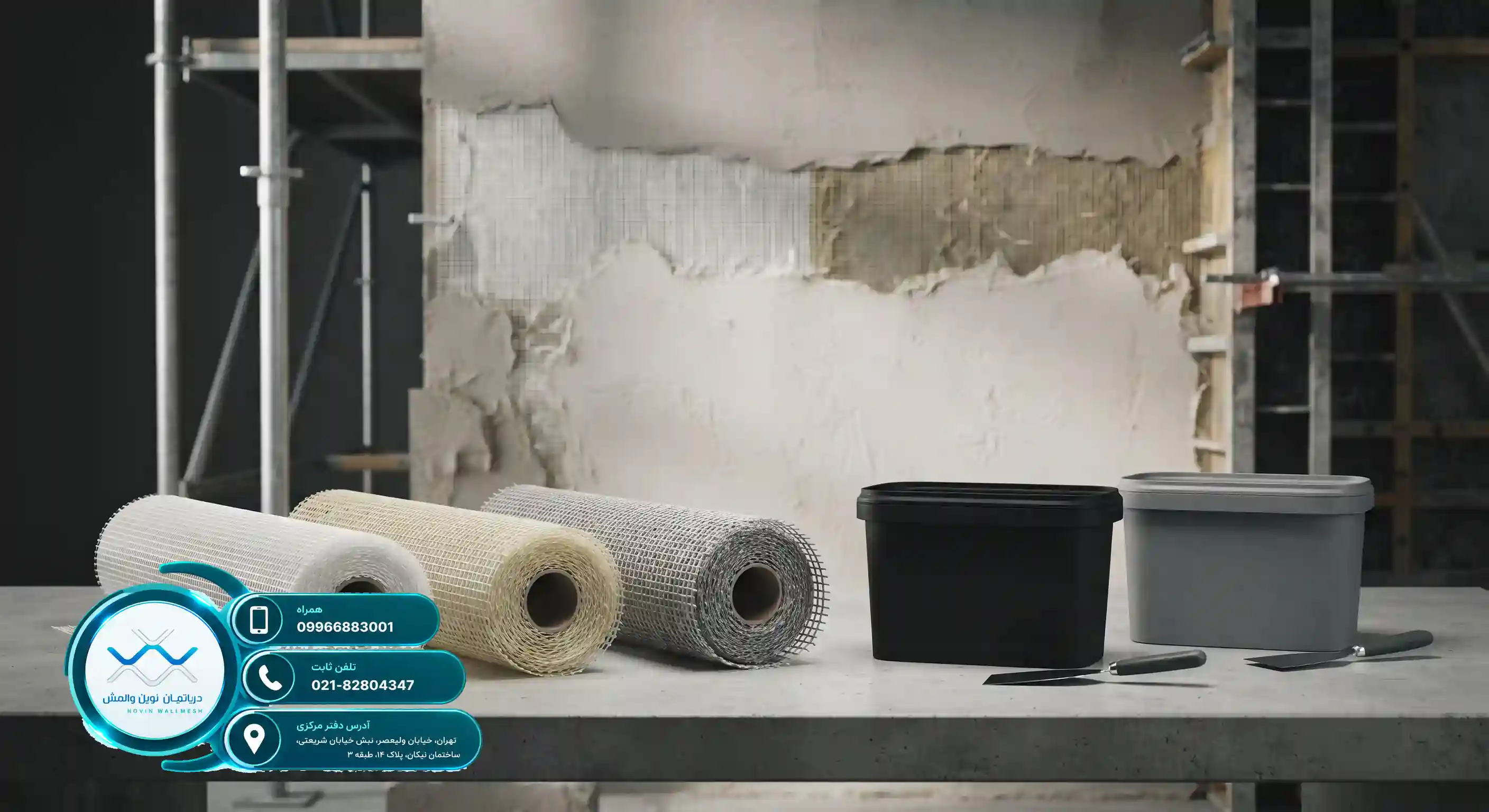
A Modern Transformation in Structural Safety
In recent years, Iran's construction industry has witnessed dramatic changes in the design and execution standards of non-structural walls. Older methods such as heavy metal wallposts, costly channel installations, and grueling welding have gradually given way to more engineered and modern technologies. Among these, the concept of Wall-Mesh has emerged as an alternative and highly efficient solution that not only reduces the structural dead load but also significantly increases execution speed.
One of the main pillars in modern wall reinforcement systems is the use of polymeric meshes. In this context, reviewing the E-Glass fiberglass mesh price is of vital importance for supervising engineers, employers, and contractors. Proper material selection can make the difference between a standard, earthquake-resistant project and a vulnerable structure. Therefore, understanding the technical and economic details of these products is a step forward in improving the quality of the country's construction.
The Tarsازه collection, by offering specialized products, has tried to pave the way for retrofitting non-structural walls. When we compare the traditional wallpost system with modern systems based on fiberglass mesh, we realize that older methods, in addition to high steel procurement costs, suffer from problems such as thermal bridging and poor bonding with masonry materials. In contrast, using high-quality meshes along with special plasters provides a uniform stress distribution across the wall surface.
For further reading on the comparative details of these methods, you can refer to the specialized article Comparison of Wall Reinforcement Method with Fiberglass Mesh and Plaster vs. Wallpost to better understand its various executive and economic dimensions. In this article, we intend to comprehensively and expertly examine the traditional wallpost method alongside modern E-Glass fiberglass mesh technology and analyze the factors affecting their costs and structural performance.
A Look at the Performance of Metal Wallposts
The traditional wallpost has been used for years as a tool for out-of-plane bracing of infill walls in Iranian civil engineering. This system typically includes steel profiles such as channels, box sections, or angles connected to the structural skeleton, with the wall enclosed between them. Although this method seemed reliable from the perspective of past engineering generations, its precise and flawless execution comes with numerous challenges. These include the need for heavy on-site welding, high construction tolerances, and excessive steel consumption, which directly impacts the project budget.
Furthermore, in traditional wallposts, stress concentration occurs at the junction points of metal profiles with beams and columns, which can damage the main structural frame during an earthquake. Contrary to this approach, new engineering technologies have tried to address the weaknesses of metal systems by distributing the load uniformly. In this regard, a detailed review of Comparison of Ordinary Fiberglass Mesh and Original E-Glass Fiberglass Mesh Price shows why today's engineers are less inclined to use heavy ironwork for bracing non-structural walls.
Some of the most important disadvantages of traditional wallposts include:
- High consumption of steel sections and a significant increase in the building's dead weight
- Heavy reliance of execution quality on the skill of on-site welders
- Creation of thermal cracks at the intersection of metal with plaster-sand or plaster
- High maintenance, anti-rust coating, and disinfection costs for profiles
Given these challenges, replacing them with lighter systems not only reduces the gravity load but also considerably improves the seismic safety of the entire structure.
Deep Understanding of E-Type Glass Fibers
E-Glass fiberglass mesh is one of the most advanced composite materials widely used in the retrofitting industry. The letter E in this product's name stands for Electrical, as it was initially developed for the electronics industry, but it entered the construction industry due to its exceptionally high tensile strength, favorable modulus of elasticity, and stability against environmental factors. These meshes consist of warp and weft glass fibers with an engineered layout, impregnated with special polymeric coatings to provide the necessary stability against the alkaline environments of cementitious and gypsum mortars.
In accordance with reference international standards in the field of retrofitting, the technical specifications of these fibers play a decisive role in the final performance of the system. For more information on the engineering standards of this product, you can visit the reputable global source E-Glass Wall-Mesh, which details its scientific details and engineering applications. Also, a precise understanding of the factors affecting the E-Glass fiberglass mesh price helps buyers obtain a high-quality and standard product.
Among the most important mechanical features of E-Glass fiberglass mesh are the following:
- Very high tensile strength along the warp and weft directions
- Light unit surface weight (ranging from 60 to over 500 grams per square meter)
- Exceptional adhesion with various cement-based and gypsum-based plasters
- High flexibility and ease of installation on various surfaces
Combining this mesh with a suitable plaster creates a thin yet exceptionally resistant composite layer that well protects the wall against lateral earthquake forces.
Financial Review of Retrofitting Schemes
In construction projects, budget and execution costs have always been one of the primary concerns of employers. In the past, it was thought that purchasing iron profiles for traditional wallposts was more economical; however, with fluctuations in steel prices and side costs including cutting, anti-rust treatments, welding, specialized teams, and high metal waste, it became clear that traditional methods impose a heavy financial burden on the project. In contrast, reviewing Technical and Price Comparison of E-Glass Fiberglass Mesh with Various Metal Meshes reveals the truth that modern solutions are much more cost-effective in the long run.
The following table shows a comprehensive comparison between the traditional wallpost and the modern fiberglass mesh system in terms of various economic and executive indicators:
| Evaluation Indicator | Traditional Wallpost (Metal) | E-Glass Fiberglass Mesh and Plaster |
|---|---|---|
| Execution Speed | Slow and time-consuming (requires welding) | Very fast and easy |
| Structural Dead Weight | High (extra load on beams and columns) | Very light and optimized |
| Final Material Cost | Dependent on daily iron prices | Cost-effective and economical |
| Corrosion Resistance | Poor (requires continuous anti-rust coating) | Excellent (alkali-resistant coating) |
As observed, using Tarsaze products such as standard meshes and compatible plasters, in addition to financial savings, dramatically reduces project completion time.
Standard Workshop Execution Steps
Proper execution of the wall-mesh system requires strict adherence to technical guidelines to maximize the composite performance of the mesh and plaster. Unlike traditional methods where work quality largely depends on the welder's skill, precise surveying and adherence to execution steps are vital in this method. First, the wall surface must be cleaned of any contamination, grease, dust, or mortar waste to maximize the adhesion of the cement-based or gypsum-based plaster.
To study supplementary standards regarding the resistance of these fibers against alkaline environments and their adhesion methods, you can review the reputable source E-Glass Wall-Mesh, which provides key engineering tips. After substrate preparation, the first layer of plaster is applied to the wall, and then the fiberglass mesh is gently pressed into the fresh plaster so that it is completely embedded.
The key installation steps are as follows:
- Preparation and washing of the wall surface to increase adhesion
- Application of the first plaster layer (Tarsaze cement-based or gypsum-based)
- Installation and fixation of the E-Glass fiberglass mesh on the wet surface
- Application of the second plaster layer to fully cover the mesh and create a uniform thickness
Adhering to these steps guarantees that the wall will exhibit ductile and uniform behavior during an earthquake, preventing the collapse of clay tile or brick pieces.
Why Do Engineers Choose Tarsaze Mesh?
Choosing appropriate retrofitting materials has a direct impact on the seismic behavior of the structure. Fiberglass meshes produced by Tarsaze are manufactured using the finest glass fibers and anti-alkali resins, guaranteeing the long-term durability of the structure. Compared to traditional wallposts, which take up a lot of space and sometimes cause bulges in the wall finishes, the wall-mesh system has a negligible thickness and creates no limitations for interior designers and architects.
On the other hand, a detailed market analysis shows that the E-Glass fiberglass mesh price, considering its unmatched efficiency, is a smart investment for any construction project. Due to their light weight, these materials drastically reduce the gravity loads entering the foundation and skeleton, thereby optimizing the dimensions of the structural load-bearing members.
The key architectural and structural advantages of these products include:
- Complete elimination of thermal bridges caused by heavy metal profiles
- High flexibility in adapting to various wall geometries
- Full compatibility with various finishes, paints, and wallpapers
- Increased safety factor of the building against severe earthquakes
These features have made it easier for design engineers to confidently utilize this technology in residential, commercial, and administrative projects.
Analysis of Market Economic Parameters
When planning finances for retrofitting projects, being aware of the factors determining the E-Glass fiberglass mesh price is essential. These products are priced based on various technical factors, understanding which helps buyers make an informed choice. Among the most important of these factors are unit surface weight (grammage), mesh opening dimensions (mesh size), type of anti-alkali chemical coating (AR or E-Glass with standard coating), and the manufacturing brand.
Meshes with higher grammage (e.g., above 200 grams) have higher tensile strength and naturally carry a higher price tag. The following table provides a sample of specifications and their suitability for different types of applications:
| Mesh Grammage (g/m²) | Mesh Opening (mm) | Main Application in Construction |
|---|---|---|
| 75 to 110 grams | 4x4 to 5x5 | Reinforcing plaster-sand and preventing surface cracks |
| 150 to 200 grams | 5x5 to 10x10 | Wall-mesh system and non-structural wall retrofitting |
| Above 200 grams | Variable based on project needs | Heavy industrial projects and special concreting |
Tarsaze, with complete transparency in providing technical information and prices, has always strived to provide the best products with the highest quality to construction industry professionals.
Future Outlook of Resistant Structures in Iran
The movement of the construction industry from traditional and costly methods toward engineered and modern technologies is an undeniable necessity. The comparative review between the traditional wallpost and the modern wall-mesh system showed that using E-Glass fiberglass mesh along with engineered plasters provides an efficient, economical, and safe solution for reinforcing non-structural walls. Reduced dead weight, high execution speed, elimination of on-site welding, and excellent earthquake durability are among the achievements of this technology.
We at Tarsaze believe that improving the safety of the country's structures is only possible by relying on up-to-date technical knowledge, using standard materials, and committing to quality. Awareness of the E-Glass fiberglass mesh price and making a smart choice can bring construction projects closer to global standards. We hope this article has provided you with a comprehensive and clear perspective on the superiority of modern retrofitting systems.
Thank you for accompanying us until the end of this article. To receive specialized consultation, inquire about product prices, and order various fiberglass meshes and specialized Tarsaze plasters, you can always contact our technical experts and take a confident step toward the strength and stability of your structures.
| Frequently Asked Questions | Specialized Answer |
|---|---|
| What is a wall-mesh and how does it differ from a traditional wallpost? | A wall-mesh is a modern non-structural wall reinforcement system using fiberglass mesh and plaster, which, unlike traditional wallposts, requires no heavy steel profiles or welding. |
| What factors affect the E-Glass fiberglass mesh price? | Grammage (unit surface weight), mesh openings, type of anti-alkali chemical coating, and the manufacturing brand are the main pricing factors. |
| What is the main advantage of E-Glass mesh over metal meshes? | Complete corrosion resistance, very light weight, no thermal bridging, and excellent adhesion with cement and gypsum mortars. |
| Is the use of wall-mesh approved by the Engineering Council? | Yes, this system is fully approved in accordance with guidelines and reputable publications of the Road, Housing and Urban Development Research Center for bracing infill walls. |
| What is the best fiberglass mesh grammage for interior walls? | Usually, meshes with a grammage of 150 to 200 grams per square meter are recommended for non-structural walls and wall-mesh systems. |
| Does installing fiberglass mesh require special expertise? | Its installation is much simpler than profile welding, but strict adherence to execution details such as plaster thickness and mesh placement is mandatory. |
| What is the difference between E-Glass mesh and C-Glass mesh? | E-Glass mesh has higher tensile and electrical resistance and is more optimized for structures, whereas C-type has different applications. |
| How can I purchase Tarsaze products? | You can place your order through the Tarsaze website or by contacting the sales and engineering department. |
| Does wall-mesh increase the building's dead weight? | No, one of the biggest advantages of wall-mesh is the dramatic reduction of the structure's dead weight compared to metal wallposts. |
| What features should the appropriate plaster have for fiberglass mesh installation? | The plaster must have high adhesive strength, chemical compatibility with the mesh, and the ability to distribute stress uniformly. |
Code of Practice for Seismic Resistant Design of Buildings (Standard 2800) and publications of the Road, Housing and Urban Development Research Center of Iran.
دور حجم الطلب فی سعر لیاسة الأساس الأسمنتی لنظام شبکة الجدران الحدیث للمشروع
دور حجم الطلب فی سعر لیاسة الأساس الأسمنتی لنظام شبکة الجدران الحدیث للمشروع
دور حجم الطلب فی التکلفة النهائیة للمواد الحدیثة
فی مشاریع البناء الحدیثة، تُعد إدارة التکالیف أحد الأرکان الأساسیة لنجاح المقاولین وأصحاب العمل. وعندما یتعلق الأمر بتنفیذ أنظمة التقویة الحدیثة مثل أنظمة تسلیح الجدران غیر الإنشائیة، تصبح معرفة سعر لیاسة الأساس الأسمنتی لنظام شبکة الجدران الحدیث ذات أهمیة مضاعفة. تلعب هذه الملاط الهندسی دوراً رئیسیاً فی تغطیة ولصق تارسازه شبکات الألیاف الزجاجیة وضمان الجودة النهائیة للجدار.
یؤثر حجم طلب المواد الخام، بما فی ذلک لیاسة الأساس الأسمنتی، بشکل مباشر على هیکل تسعیر المصنع وتکالیف النقل. وفی النطاقات الکبیرة، یقدم الموردون خصومات خاصة للمشتریات بالجملة، مما یمکن أن یقلل بشکل کبیر من التکالیف الإجمالیة للمشروع. لذلک، یُعد الفحص الدقیق لاحتیاجات المشروع قبل بدء الشراء خطوة استراتیجیة فی هندسة القیمة.
یعتقد العدید من المهندسین الاستشاریین أن تحسین حجم الطلب لا یمنع فقط تراکم المواد الزائد فی ورشة العمل، بل یمنع أیضاً توقف المشروع بسبب نقص المواد. یتطلب هذا التوازن الدقیق فهمًا دقیقًا للاستهلاک الیومی ظروف تخزین ورشة العمل لتقلیل هدر المواد إلى الحد الأدنى.
بالإضافة إلى ذلک، لفهم هذه المفاهیم الاقتصادیة بشکل أفضل، یمکنک الرجوع إلى المقالة المتخصصة التحلیل الاقتصادی لسعر لیاسة الأساس الأسمنتی لشبکة الجدران فی المشاریع والتی توفر لک المزید من التفاصیل وتکشف عن الجوانب الخفیة للسوق.
مقیاس المشروع واقتصادیات الحجم فی شراء المواد
اقتصادیات الحجم هی أحد القوانین الأساسیة للسوق والتی تظهر بوضوح فی صناعة البناء أیضاً. فعندما یبدأ مشروع بناء کبیر، مثل مجمع تجاری أو سکنی متعدد الکتل، تزداد الحاجة إلى مواد تسلیح الجدران بشکل حاد. فی هذه الحالة، یتم الاستعلام عن سعر لیاسة الأساس الأسمنتی لنظام شبکة الجدران الحدیث بناءً على الأطنان أو المنصات (البالیتات)، وهو ما یختلف بشکل کبیر عن المشتریات الجزئیة والمعبأة فی أکیاس.
یقوم المصنعون الرئیسیون والشرکات المتخصصة بتحدید أسعار متدرجة لمنتجاتهم. على سبیل المثال، تخضع المشتریات التی تقل عن خمسة أطنان لتعرفة التجزئة، فی حین تستفید الطلبات التی تزید عن عشرین طناً من خصومات الجملة وتسهیلات الدفع الخاصة. تؤثر شرائح الأسعار هذه بشکل مباشر على التقدیر المالی الأولی للمقاول.
وفقاً لمعاییر البناء الدولیة التی أقرتها الشرکات الرائدة مثل لیاسة الأسمنت لشبکة الجدران، فإن استخدام الملاط القیاسی بکمیات کبیرة سیکون فعالاً للغایة من حیث التکلفة بسبب انخفاض التکالیف العامة اللوجستیة. یحاول أصحاب العمل الأذکیاء دمج المراحل المختلفة للمشروع للوصول بحجم طلبهم إلى عتبة خصومات المصنع.
فی النهایة، لا یؤدی التخطیط الدقیق للشراء الموحد إلى تقلیل سعر وحدة المواد فحسب، بل یضمن أیضاً استقرار الجودة فی جمیع أنحاء المشروع، نظراً لأنه سیتم توفیر کافة الشحنات من دفعة إنتاج واحدة وستنخفض التغییرات فی المواصفات الفنیة إلى الصفر.
دور الخدمات اللوجستیة والنقل فی السعر النهائی لیاسة الأسمنت
تشکل تکلفة النقل حصة کبیرة من التکلفة النهائیة لمواد البناء فی موقع المشروع. وعندما یثار النقاش حول سعر لیاسة الأساس الأسمنتی لنظام شبکة الجدران الحدیث، لا ینبغی تجاهل تکلفة إرسال البضائع من المصنع إلى ورشة العمل. تتطلب الطلبات ذات الحجم المنخفض مرکبات خفیفة أو شاحنات صغیرة تکون تساؤلات نقلها للفرد مرتفعة للغایة.
فی المقابل، یتم نقل طلبات الحمولة العالیة بواسطة شاحنات ذات عشر عجلات أو مقطورات، مما یقلل بشکل حاد من تکلفة النقل لکل کیلوغرام من المواد. یوضح الجدول أدناه مقارنة تقریبیة للتکالیف اللوجستیة بناءً على حجم الطلب:
| حجم الطلب | نوع المرکبة | التأثیر على التکلفة النهائیة |
|---|---|---|
| أقل من 3 أطنان | شاحنة صغیرة أو نیسان | مرتفع جداً (غیر متوازن) |
| 3 إلى 10 أطنان | خاور أو شاحنة متوسطة | متوسط |
| أکثر من 10 أطنان | شاحنة مزدوجة أو مقطورة | منخفض جداً وأمثلی |
لذلک، تُعد الإدارة الذکیة لحجم الطلب والتنسیق مع قسم المبیعات للإرسال الکامل للشحنة حلاً فعالاً للتحکم فی میزانیة المشروع. یحاول مهندسو الخدمات اللوجستیة دائماً رفع سعة أسطول النقل إلى 100٪ لتحقیق أقل مساحة فارغة وأعلى إنتاجیة.
آلیة الخصومات المتدرجة فی تورید مواد شبکة الجدران
أحد أکثر الأجزاء جاذبیة فی الشراء بالجملة فی سوق مواد البناء الحدیثة هو هیکل التسعیر المتدرج. یحرص المصنعون الموثوقون على تورید منتجاتهم بکمیات کبیرة للمشاریع الکبرى؛ لأن ذلک یضمن استقرار دورة الإنتاج الخاصة بهم. لذلک، فإن الوعی بکیفیة حساب سعر لیاسة الأساس الأسمنتی لنظام شبکة الجدران الحدیث بکمیات ضخمة یساعد مدیری المشتریات بشکل کبیر.
عندما یتجاوز حجم الطلب حدوداً محددة، یتم تطبیق خصومات الحجم. قد تکون هذه الخصومات على شکل نسبة مئویة للخصم النقدی، أو الشحن المجانی لجزء من البضائع، أو توفیر شروط الدفع الائتمانی والشیکات. کل خیار من هذه الخیارات یدیر سیولة المشروع ویزید من قوة المناورة المالیة لصاحب العمل.
للحصول على معلومات شاملة حول کیفیة الاستعلام عن الأسعار ومقارنة ظروف الموردین المختلفین، یُنصح بشدة بقراءة مقالة مزایا وسعر لیاسة الأساس الأسمنتی لشبکة الجدران فی الجدران غیر الإنشائیة. لقد قامت هذه المیزة بتشریح المزایا الفنیة والاقتصادیة لهذه المنتجات.
النقطة الأساسیة هنا هی الحفاظ على التوازن بین خصم الشراء بالجملة وتکالیف التخزین. إذا تم شراء المواد أکثر من اللازم فی وقت مبکر، فهناک خطر التلف بسبب الرطوبة أو أضرار التخزین، مما یلغی الربح الناتج عن الخصم.
تحدیات التخزین والحفاظ على کمیات کبیرة من لیاسة الأسمنت
على الرغم من أن الشراء بالجملة للمواد اقتصادی للغایة من الناحیة الاقتصادیة، إلا أنه یجلب تحدیاته الخاصة فی بیئة ورشة العمل. تُعد لیاسة الأساس الأسمنتی منتجاً حساساً للرطوبة ولظروف تخزینه تأثیر مباشر على الجودة النهائیة للعمل. لذلک، یجب إجراء دراسة سعر لیاسة الأساس الأسمنتی لنظام شبکة الجدران الحدیث جنباً إلى جنب مع تقییم تکالیف التخزین وحمایة المواد.
یجب عدم وضع أکیاس لیاسة الأسمنت مباشرة على الأرض ویجب رصها بالتأکید على منصات خشبیة وبمسافة عن جدران ورشة العمل. کما یُعد استخدام الخیام المضادة للماء لتغطیة المنصات فی الهواء الطلق أمراً إلزامیاً. یؤدی عدم مراعاة هذه القواعد إلى تکتل الأسمنت وانخفاض حاد فی مقاومته المیکانیکیة.
وفقاً للإرشادات الفنیة لشرکة لیاسة الأسمنت لشبکة الجدران الموثوقة، یجب ألا تتجاوز مدة تخزین هذه المنتجات فی المستودع الجاف الحدود الموصى بها. ولهذا السبب، تخطط المشاریع الکبیرة عادة لمشتریاتها على شکل شحنات دوریة ولکن بأحجام مثلى (على سبیل المثال شحنات بقیمة 5 أطنان فی الأسبوع) للاستفادة من الخصومات النسبیة وعدم مواجهة مشکلة التخزین طویل الأجل.
هذه الاستراتیجیة المرکبة تقلل مخاطر المشروع إلى الحد الأدنى وتضمن أن ملاط الاستهلاک طازج دائماً وعالی الجودة ومطابق لمعاییر هندسة مقاومة الجدران غیر الإنشائیة.
کیف نحصل على استعلام دقیق عن سعر مواد شبکة الجدران؟
یتطلب الاستعلام عن السعر فی سوق مواد البناء المتقلب مراعاة المبادئ والتقنیات لتکون قادراً على إبرام أفضل صفقة. عندما تتخذ إجراءً لشراء کمیات کبیرة، من المهم جداً طلب فاتورة أولیة رسمیة مع ذکر التفاصیل الفنیة الدقیقة وحجم الطلب. یمنع هذا أی سوء فهم عند تسلیم البضائع ویضمن الشفافیة المالیة للمشروع.
فی الاستعلام عن سعر لیاسة الأساس الأسمنتی لنظام شبکة الجدران الحدیث، یجب تحدید العناصر التالیة بشکل منفصل:
- عیار الأسمنت وفئة مقاومة الملاط
- نوع الإضافات البولیمریة أو غیر البولیمریة
- نوع التعبئة والتغلیف (أکیاس 25 أو 40 کجم)
- مکان التسلیم (باب المصنع أو ورشة المشروع)
- شروط التسویة (نقداً، مقایضة أو ائتمانیة)
عادة ما یتلقى المقاولون المحترفون استعلامات الأسعار من عدة موردین موثوقین فی نفس الوقت ویختارون الخیار الأفضل من خلال صیاغة الوزن للمؤشرات مثل الجودة والسعر وقت التسلیم وسجل المورد. یمنع هذا النهج المنظم الأخطاء المکلفة فی تورید المواد.
کما یجب أن نتذکر دائماً أن الخیار الأرخص لیس بالضرورة هو الخیار الأفضل. یعد تناسب جودة المنتج مع المواصفات الفنیة المذکورة فی المخططات التنفیذیة لشبکة الجدران خطاً أحمر لمشاریع الهندسة والتی یجب ألا تضحى بتخفیض التکالیف.
تقییم نسبة القیمة إلى السعر بمقاییس مختلفة
أحد الأسئلة الشائعة لمهندسی المراقبة ومدیری المشاریع هو ما إذا کانت جودة لیاسة الأساس الأسمنتی تتغیر فی أحجام الطلبات المختلفة؟ الإجابة المختصرة هی أن المصنعین الموثوقین لا یضحون بجودة المنتج لحجم الطلب، ولکن استقرار المواصفات الفیزیائیة والکیمیائیة فی المشتریات بالجملة من دفعة إنتاج واحدة یعزز جودة التنفیذ النهائی بشکل ملحوظ.
یوضح جدول المقارنة أدناه الأبعاد المختلفة للشراء بحجم قلیل وبحجم کبیر:
| مؤشر التقییم | الشراء بحجم قلیل (التجزئة) | الشراء بحجم کبیر (الجملة) |
|---|---|---|
| سعر وحدة المواد | مرتفع وبدون خصم | مثالی مع خصم متدرج |
| تکلفة اللوجستیات الفردیة | مکلفة وغیر اقتصادیة | اقتصادی للغایة |
| استقرار دفعة الإنتاج | قلیل (احتمال اختلاف اللون والجودة) | مرتفع (إنتاج متکامل للمصنع) |
| إدارة المستودع | بسیط ولکنه متکرر | یتطلب مساحة تخزین قیاسیة |
بالنظر إلى هذا الجدول، تظهر بوضوح المزایا الاستراتیجیة للشراء بالجملة للمشاریع المتوسطة والکبیرة. یُعد الاختیار الذکی لحجم الطلب أداة قویة للتحکم فی المیزانیة وتحسین المعیار التنفیذی للهیکل.
الاستنتاج والتوصیات النهائیة لمدیری المشاریع
فی هذه المقالة، قمنا بدراسة شاملة لتأثیر حجم الطلب على سعر لیاسة الأساس الأسمنتی لنظام شبکة الجدران الحدیث. أصبح واضحاً أن الإدارة الدقیقة لسلسلة التورید والمعرفة بآلیات الاقتصاد فی سوق البناء تلعب دوراً حاسماً فی خفض التکالیف النهائیة لمشاریع التقویة. یُعد استخدام شبکات الألیاف الزجاجیة عالیة الجودة والملاط القیاسی استثماراً طویل الأجل لزیادة الأمان ضد الزلازل.
یجب على المقاولین وأصحاب العمل، من خلال إجراء حسابات هندسیة دقیقة، التنبؤ بحجم إجمالی المواد المطلوبة للم المشروع وإبرام عقود التورید فی شکل أجزاء متناوبة ولکن بحجم کبیر للاستفادة من مزایا خصومات المصنع. هذا النهج، مع التحکم فی التکالیف، یمنع نوم رأس المال واستهلاک التخزین المفرط.
التوصیة النهائیة هی الحصول دائماً على الاستشارات التخصیصیة اللازمة من فرق هندسة المبیعات قبل إتمام عقود الشراء والتحقق من التطابق التام للمنتجات مع اللوائح والمعاییر الوطنیة للبناء. سیکون الاختیار الذکی الیوم ضامناً لمتانة واستقرار هیکلک غداً.
"تقویة الجدران غیر الإنشائیة بشکل أساسی باستخدام نظام شبکة الجدران لیست تکلفة بل هی استثمار موثوق للحفاظ على حیاة وأموال البشر ضد الکوارث الطبیعیة."
| الأسئلة الشائعة | إجابة متخصصة |
|---|---|
| هل یؤثر حجم الطلب الکبیر بشکل مباشر على خفض سعر لیاسة الأساس الأسمنتی؟ | نعم، یشمل الشراء بالجملة خصومات المصنع المتدرجة وانخفاض تکالیف النقل الفردیة مما یقلل بشدة من السعر النهائی. |
| ما هو الحد الأدنى لحجم الطلب للحصول على خصومات الجملة؟ | عادة ما تخضع الطلبات التی تزید عن 10 أطنان للتعریفات والخصومات الخاصة بالجملة للمصنع. |
| لماذا تکون التکالیف اللوجستیة مرتفعة فی الطلبات قلیلة الحجم؟ | بسبب استخدام المرکبات الخفیفة و عدم استکمال سعة التحمیل، ترتفع تکلفة النقل لکل کیلوغرام من المواد. |
| ما هی ظروف تخزین کمیات کبیرة من لیاسة الأسمنت فی ورشة العمل؟ | یجب رص الأکیاس على منصات خشبیة، بعیداً عن الرطوبة المباشرة ومع تغطیة الخیام المضادة للماء فی مستودع مسقوف. |
| هل جودة لیاسة الأسمنت متطابقة فی الطلبات المختلفة؟ | یحافظ المصنعون الموثوقون على الجودة، لکن الشراء الموحد بکمیات کبیرة یضمن استقرار دفعة الإنتاج. |
| کیف یمکننا الحصول على استعلام دقیق عن سعر مواد شبکة الجدران؟ | من خلال تلقی فاتورة أولیة رسمیة تتضمن المواصفات الفنیة، معیار الملاط، نوع التعبئة والتغلیف ومکان التسلیم من موردین موثوقین. |
| هل یوصى بشراء أکثر من الحاجة بحجة الخصم؟ | لا، التخزین طویل الأجل یحمل مخاطر تلف الأسمنت وتلف المواد ولا ینصح به. |
| ما الفرق بین مشتریات التجزئة والجملة؟ | بالإضافة إلى سعر الوحدة، تختلف طریقة التسویة، شروط الشرسل وخدمات ما بعد البیع فی هاتین الحالتین أیضاً. |
| ما هو دور الإضافات البولیمریة فی سعر لیاسة الأساس الأسمنتی؟ | تزید الإضافات البولیمریة من الالتصاق ومرونة الملاط وتؤثر بشکل طبیعی على السعر النهائی للمنتج. |
| ما هو الحل الأفضل لإدارة شراء مواد شبکة الجدران فی المشاریع الکبیرة؟ | تخطیط الشراء فی شکل شحنات دوریة بحجم کبیر بالتنسیق مع فریق هندسة المبیعات والخدمات اللوجستیة للمصنع. |
المرجع التخصصی لهندسة الهیاکل وأنظمة التقویة الحدیثة تارسازه (https://civildep.ir/)