Is it possible to buy wall mesh without plaster?
Is it possible to buy wall mesh without plaster?
Examining the Feasibility of Eliminating Plaster in the Wall Mesh System
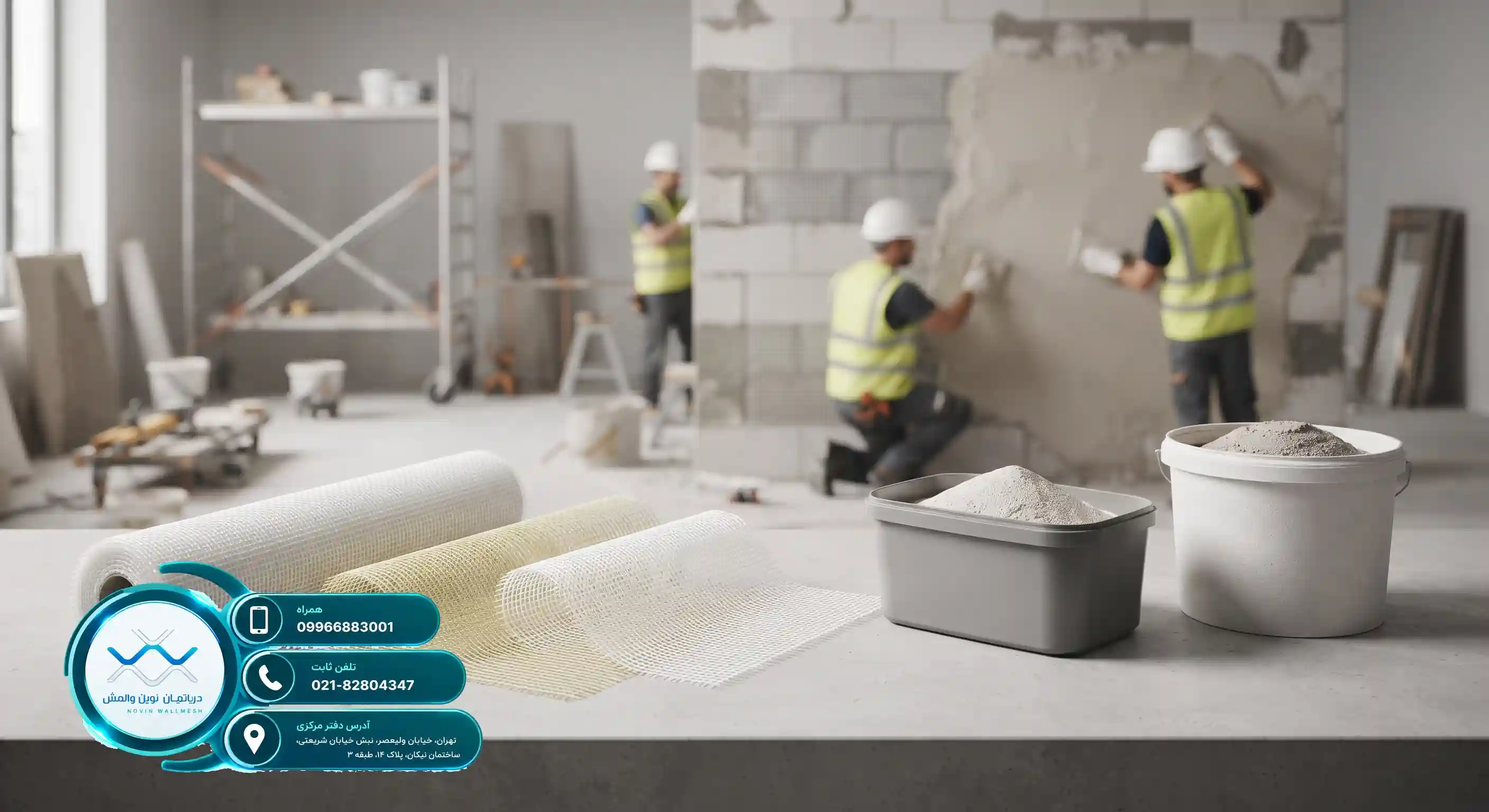
When it comes to retrofitting non-structural walls, the modern wall mesh system is recognized as a modern alternative to traditional metal wall posts. Many construction project managers and executors raise the question of whether buying wall mesh without a plaster layer is feasible in order to reduce construction execution costs? In response, it must be said that the fiberglass mesh network alone cannot act as a load-bearing element or a continuous restraint; rather, it requires an adhesive and covering substrate to transfer the applied forces to the wall.
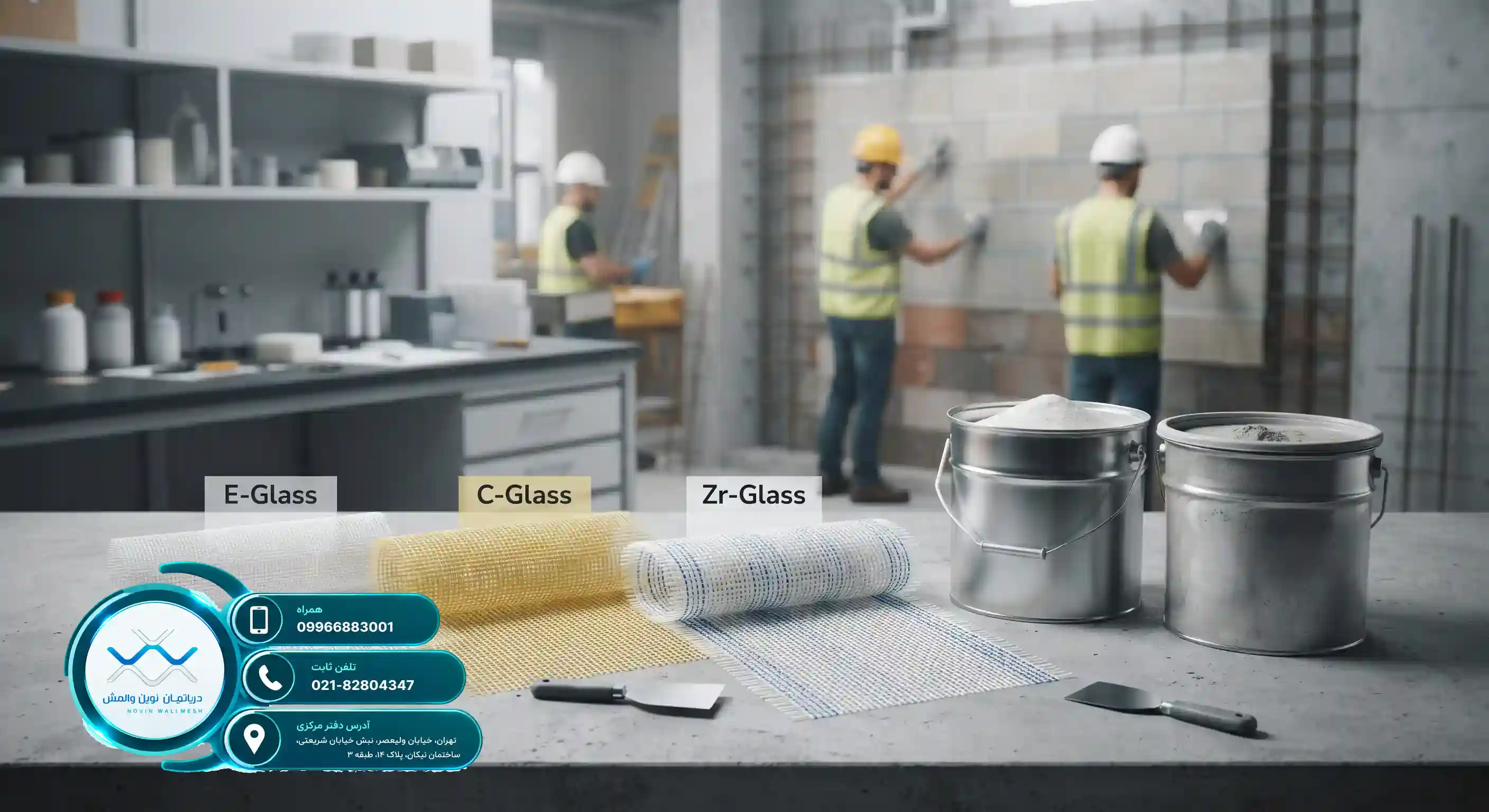
In the Novin Wall Mesh Department, our technical experts always emphasize that fiberglass mesh (such as E-Glass and Zr-Glass samples) and plaster are two inseparable components of an engineered system. Omitting any of these components compromises the functional integrity of the system and prevents it from exhibiting ductile and proper behavior during an earthquake. Therefore, a careful review of the execution details in the comprehensive guide to buying wall mesh and gypsum plaster for flawless execution is recommended so that engineers can optimize the structure with a broader perspective.
The Structural Role of Mesh and Mortar Together
For the wall reinforcement system to function properly, the fiber network must be completely embedded within the plaster layer. This overlap and mechanical interlock result in a uniform distribution of stresses across the wall surface. If you proceed to buy wall mesh without considering the appropriate mortar, you are essentially removing the main load-transfer mechanism, and the system will suffer from a serious defect.
Key Components in the Standard Execution of Wall Mesh
A standard and technically approved wall mesh system is a set of compatible materials that includes fiberglass mesh, epoxy adhesive or mechanical fastening accessories, and plaster (cement-based or gypsum-based). When an engineer decides to buy wall mesh, they must consider the entire package as an integrated whole. The products offered in the Novin Wall Mesh Department include various high-quality meshes and engineered plasters that deliver the most standard performance.
According to international building standards, the use of high-quality materials in the sub-base section is also of high importance. For more information in this regard, reading the specialized article the vital role of primer in substrate preparation and better execution of wall mesh plaster is suggested to dear designers and executors. Primers play a key role in increasing the adhesion of the plaster to the surface of blocks or bricks.
Why Fiberglass Mesh Alone Is Ineffective
Fiberglass mesh is solely responsible for bearing the tensile stresses caused by lateral earthquake forces, and in order to withstand these forces, it must be attached to the wall body. This connection is only possible through the plaster layer. Therefore, attempts to eliminate the plaster not only undermine engineering standards but also severely reduce the safety of the entire structure.
Is Financial Saving by Eliminating Plaster Logical?
One of the main reasons people seek to buy wall mesh without plaster is to reduce initial material costs and labor wages. However, it should be noted that engineering economics does not only mean cutting initial purchase costs, but also includes optimizing the structure's life cycle and ensuring safety against natural disasters. If the plaster is removed from the system, the fiberglass mesh will be completely vulnerable to mechanical damage, moisture, and environmental impacts.
In large civil projects, the choice of plaster type and its price have a direct impact on the overall budget. For a more detailed review of cost fluctuations, the article related to the impact of quality on the price of cement-based wall mesh plaster in projects can be a very useful guide for project managers. The following table shows the cost and performance comparison between complete execution and incomplete execution (without plaster):
| Evaluation Index | Complete System (Mesh + Plaster) | Incomplete System (Mesh Only Without Plaster) |
|---|---|---|
| Earthquake Resistance | Very excellent and standard | Poor and unreliable |
| Durability Against Environmental Factors | High (complete protection of fibers) | Low (rapid fiber degradation) |
| Engineering Council Approval | Has full approval | Disqualified during inspection |
Step-by-Step Stages of Correct Wall Mesh System Execution
For the non-structural wall retrofitting system to function in the best possible way, strict adherence to execution details is mandatory. The installation process begins with proper substrate preparation. After cleaning the wall surface from any contamination and dust, it is time to install angle brackets or guide connections. Then, the fiberglass mesh is placed on the surface and restrained using stabilization tools. Finally, the plaster layer is applied over the entire surface.
The global organization wall mesh gypsum plaster has established strict standards for the thickness and bond strength of this layer, to which design engineers must adhere. Additionally, the reputable company wall mesh gypsum plaster also recommends similar solutions for dry indoor environments to achieve the highest level of quality.
Key Points When Applying Plaster Over Mesh
- Ensuring the primer is completely dry before installing the mesh
- Observing the standard thickness of the plaster layer (usually between 15 to 25 mm)
- Using a suitable trowel to completely cover the fibers and prevent the formation of air pockets
- Keeping the cement plaster surface moist during the initial curing days
The Role of Resident Supervision in the Proper Execution of Wall Mesh Details
The Role of Resident Supervision in the Proper Execution of Wall Mesh Details
The Importance of Resident Supervision in Construction Projects
In modern construction projects, resident supervision plays a key role in ensuring quality and compliance of execution with engineering plans. The wall mesh system, as one of the newest methods for restraining non-structural walls, requires extremely high executive precision. Without the presence of a resident supervisor, hidden errors can occur in the sub-layer preparations, which can be catastrophic during an earthquake.
Challenges of the Absence of Continuous Supervision
Supervising engineers know that small executive errors in the initial stages cannot be compensated for in the final stages. For example, failing to control profile spacing or inadequate fiberglass mesh quality can endanger the entire system. The Novin Wall Mesh Department doubles the importance of this supervision by providing engineering solutions.
Studies show that the quality of wall mesh execution depends directly on careful supervision on the workshop floor. Therefore, stationing a supervising engineer who is fluent in executive details guarantees the employers' investment.
Understanding Types of Fiberglass Mesh and Standards
The quality of consumed materials is considered one of the main pillars for proper detail execution. The resident supervisor must review the technical specifications of the materials before starting executive operations. For example, familiarity with the role of the Novin Wall Mesh Department's fiberglass mesh in wall bracing is mandatory for every supervisor.
Main Mesh Categories
- E-Glass fiberglass mesh suitable for general projects
- C-Glass fiberglass mesh resistant to chemical agents
- Zr-Glass fiberglass mesh with high alkali resistance
Tensile strength control and mesh opening dimensions must be approved by the resident supervisor.
Using standard materials, including the Novin Wall Mesh Department's cement-based plaster and gypsum-based plaster alongside quality mesh, guarantees wall stability against lateral forces.
چگونه با اجرای پلاستر وال مش از افتادگی نما جلوگیری کنیم؟
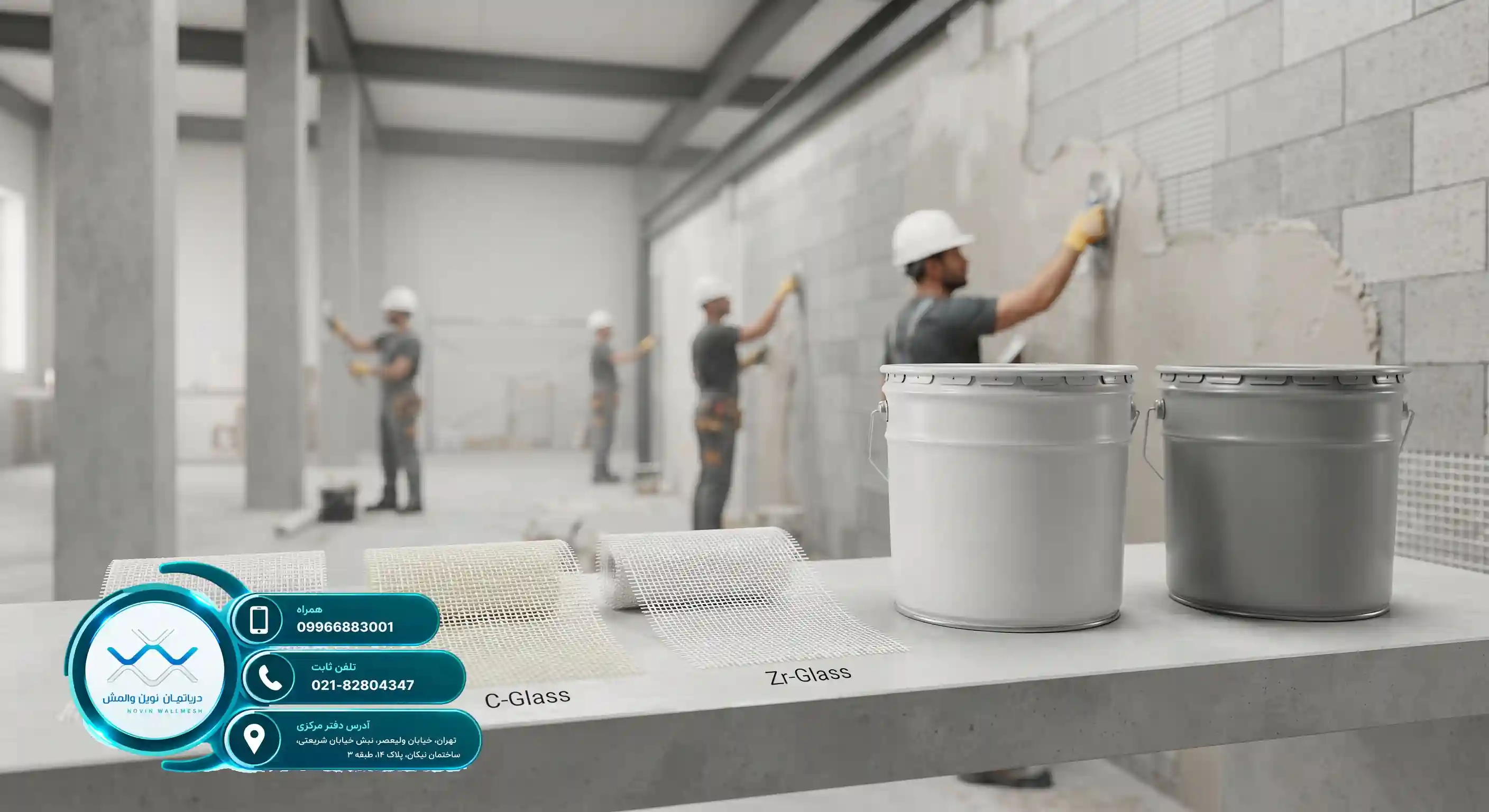
چرا مقاومسازی دیوارها به یک ضرورت تبدیل شده است؟
در سالهای اخیر، ایمنسازی سازهها در برابر زلزله و نیروهای جانبی اهمیت دوچندانی یافته است. دیوارهای غیرسازهای که به عنوان جداکنندههای داخلی و خارجی عمل میکنند، بیشترین آسیبپذیری را در حوادث طبیعی دارند. استفاده از فناوریهای نوین مانند پلاستر وال مش به عنوان یک راهکار جایگزین برای والپستهای سنتی، تحولی بزرگ در مهندسی عمران ایجاد کرده است. در دپارتمان نوین وال مش، هدف ما ارتقای ایمنی سازهها با تکیه بر استانداردهای مهندسی روز دنیاست.
نقش دیوارهای غیرسازهای در پایداری سازه
دیوارهای میانقاب در صورت عدم مهار مناسب، میتوانند در هنگام زلزله دچار برش، ترکخوردگی و در نهایت ریزش شوند. برای جلوگیری از این پدیده خطرناک، اجرای صحیح سیستم تسلیح دیوار بسیار حیاتی است. طبق بررسیهای انجام شده در منابع معتبر مهندسی عمران مانند مقاومسازی دیوار غیرسازهای با والمش، استفاده از سیستمهای شبکه الیافی نقش کلیدی در توزیع یکنواخت تنشها ایفا میکند.
هنگامی که صحبت از بهسازی لرزهای به میان میآید، انتخاب مصالح مناسب از اهمیت ویژهای برخوردار است. برای کسب اطلاعات بیشتر در خصوص انتخاب درست تجهیزات، مطالعه مقاله چگونه با خرید وال مش مناسب از ریزش دیوار جلوگیری کنیم؟ به شما پیشنهاد میشود که دیدگاه کاملی در این زمینه به دست آورید.
مزایای سیستم وال مش نسبت به روشهای سنتی
- حذف هزینههای سنگین اجرای نبشیکشی و جوشکاریهای متوالی
- کاهش وزن مرده سازه به دلیل استفاده از مصالح سبکتر و نوآورانه
- سرعت اجرای بالاتر و نیاز به تخصص کمتر در مقایسه با والپست فلزی
- انعطافپذیری بالا در برابر جابجاییهای نسبی طبقات در هنگام زلزله
با بهکارگیری محصولات تخصصی ما در دپارتمان نوین وال مش، میتوانید از کیفیت و پایداری دیوارهای ساختمان خود اطمینان حاصل کنید. متخصصان ما آماده ارائه مشاوره فنی در زمینه انتخاب نوع مش و پلاستر مناسب هستند.
اجزای تشکیلدهنده سیستم وال مش چه هستند؟
سیستم وال مش یکپارچه از چندین جزء کلیدی تشکیل شده است که هماهنگی بین آنها تضمینکننده عملکرد مطلوب سازهای است. این اجزا شامل مش فایبرگلاس (E-Glass، C-Glass یا Zr-Glass)، نوارهای اتصال و پلاستر وال مش (پایه گچی یا سیمانی) هستند. هر یک از این اقلام نقش مشخصی در تحمل نیروهای برشی و کششی بر عهده دارند.
نقش مش فایبرگلاس در تسلیح دیوار
مش فایبرگلاس به عنوان هسته مقاومتی سیستم عمل میکند. الیاف شیشه به کار رفته در این مشها دارای مقاومت کششی بسیار بالایی هستند که از ایجاد ترکهای مویی و عمیق در سطح دیوار جلوگیری میکنند. انتخاب نوع مش بستگی مستقیم به شرایط محیطی و نوع کاربری سازه دارد.
انواع پلاستر مورد استفاده در سیستم
پلاسترها لایهای محافظ و پوششی هستند که مش فایبرگلاس را در بر گرفته و آن را به سطح دیوار متصل میکنند. پلاسترهای پایه سیمانی و پایه گچی تولید شده در مجموعه ما، با فرمولاسیون ویژه خود، چسبندگی فوقالعادهای با زیرکار ایجاد میکنند. طبق مطالعات منتشر شده در مقاومسازی دیوار غیرسازهای با والمش، کیفیت لایه پلاستر تاثیر مستقیم بر عملکرد نهایی سیستم تسلیح دارد.
| نوع پلاستر | محل کاربرد | ویژگی اصلی |
|---|---|---|
| پایه سیمانی | نما و فضاهای مرطوب | مقاومت بالا در برابر رطوبت و شرایط جوی |
| پایه گچی | دیوارهای داخلی | سرعت گیرش بالا و سطح صاف برای رنگآمیزی |
برای بررسی دقیقتر هزینهها و انتخاب اقتصادیترین گزینه برای پروژه خود، میتوانید به صفحه راهنمای جامع قیمت پلاستر پایه سیمانی وال مش در بازار امروز مراجعه نمایید تا اطلاعات بهروزی را دریافت کنید.