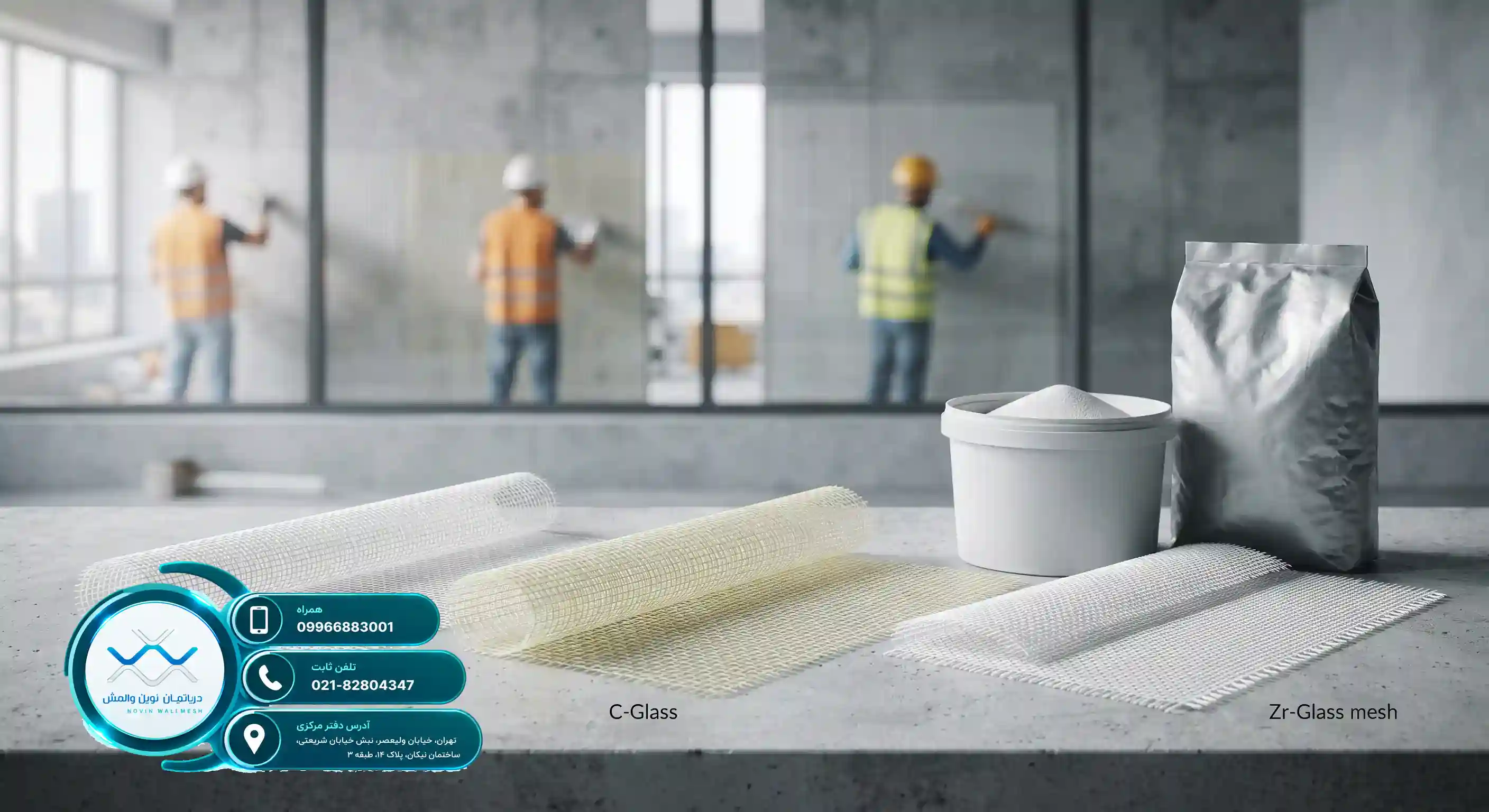
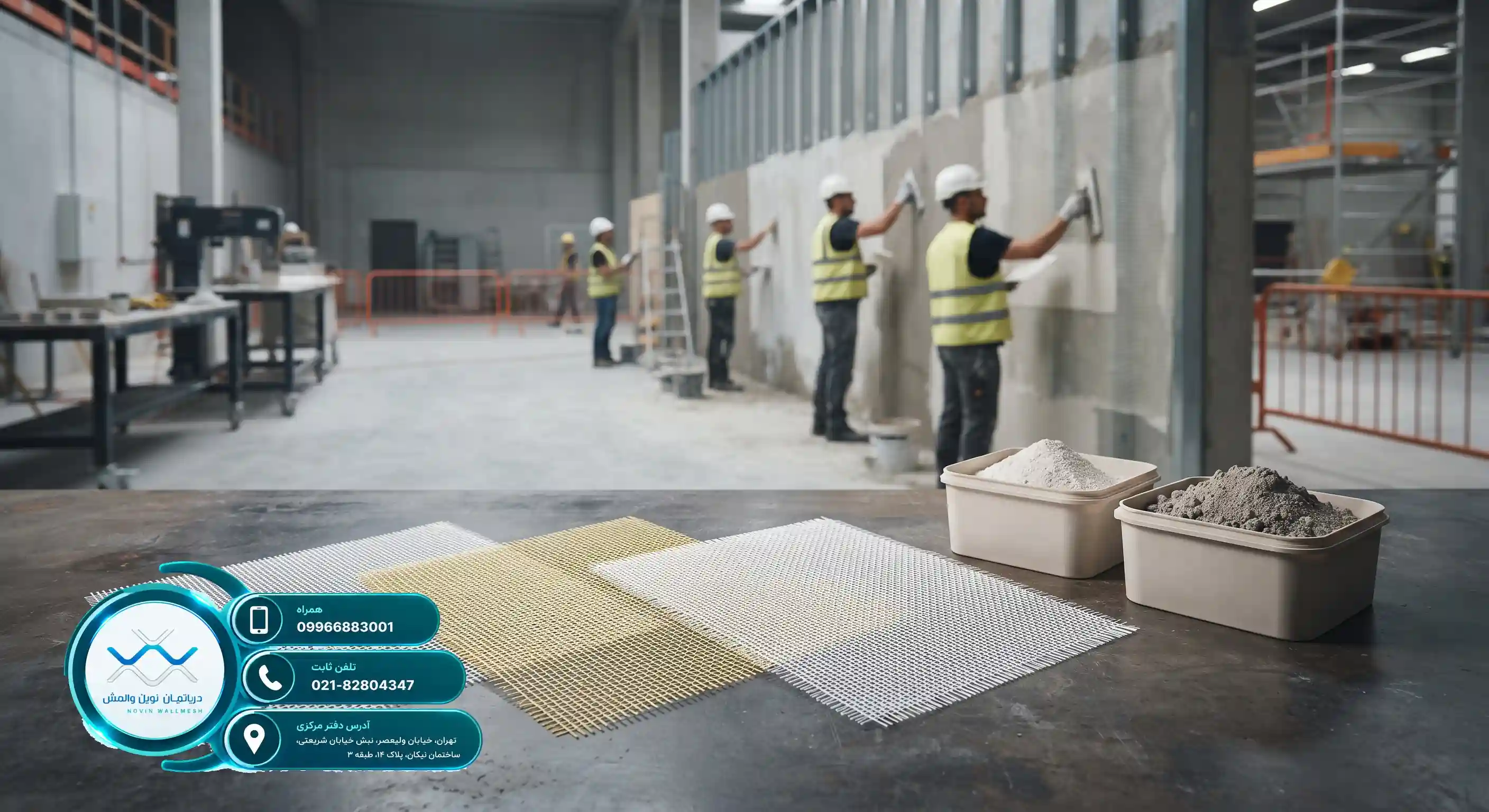
The Impact of Mesh Weave Type on the Price of Consumable Wall Mesh
The Impact of Mesh Weave Type on the Price of Consumable Wall Mesh
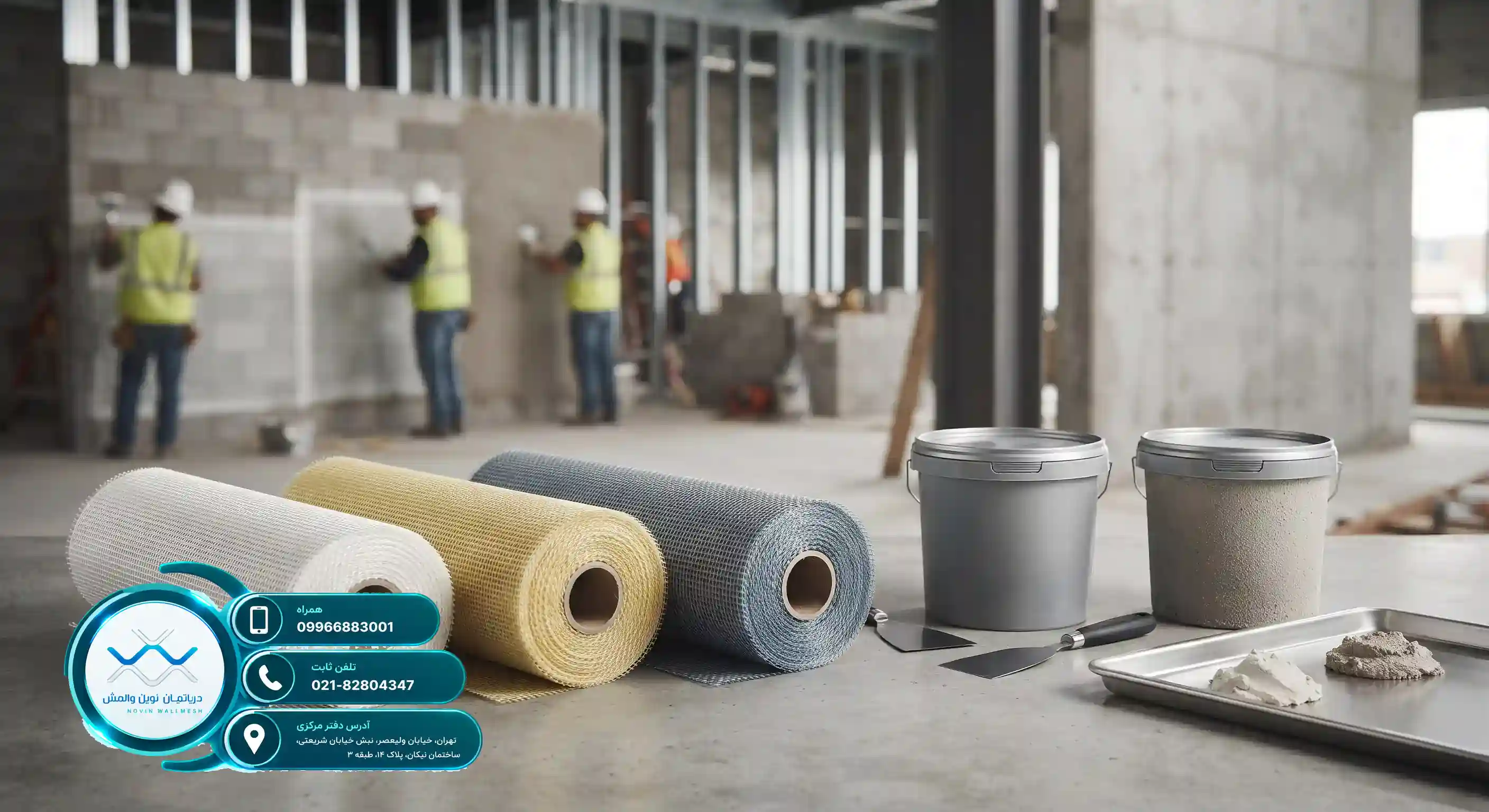
The Key Role of Wall Mesh in Structural Retrofitting
Non-structural and infill walls have always been one of the vulnerable parts of buildings against lateral forces such as earthquakes. Using traditional systems like metal wall posts is costly and time-consuming. In recent years, the modern wall mesh system has been introduced as an engineered and cost-effective alternative implemented using fiberglass mesh and special plaster. To better understand this technology, you can visit the Modern Wall Mesh Department to get acquainted with the latest wall reinforcement solutions.
When estimating costs, wall mesh price is one of the most important concerns for employers and design engineers. Several factors affect this cost, among which the type of grid weave, fiber quality, specific weight per square meter, and the type of consumable plaster (gypsum or cement base) are the most important. Intelligently selecting materials appropriate for the project's needs can prevent extra costs.
The Importance of Understanding Fiberglass Mesh Technical Specifications
The mesh or fiberglass grid is the beating heart of the wall reinforcement system. Differences in weave type, mesh aperture dimensions, and the thickness of the polymer coating cause a wide variety of prices in the market. Before purchasing, engineers must obtain complete information about the production standards and applications of each mesh type to achieve the best structural efficiency.
- Increasing the ductility of non-structural walls
- Reducing the building's dead load compared to traditional wall posts
- High execution speed and reduction of labor costs
- Excellent resistance to corrosion and thermal stresses
According to reliable international reports in the construction industry (Modern Wall Mesh Fiberglass Mesh), the use of modern composite materials has significantly increased the durability and safety of concrete and masonry structures.
Geometric Structure and Fiberglass Mesh Weave Type
The fiberglass mesh weave determines how stress is distributed across the wall surface. Glass fibers are woven together in various methods, the most common of which are the Twill weave and the Leno or Plain weave. The weave type directly affects the ultimate tensile strength and subsequently the wall mesh price. Networks with denser and more engineered weaves have a greater ability to absorb earthquake energy.
For a more detailed review of this topic, we suggest reading the specialized article Examining the Impact of Glass Fiber Type on Wall Mesh Price in the Market to become familiar with the technical and economic details of various fibers. Also, aperture dimensions (e.g., 5 by 5 cm) play an important role in the continuity between the plaster and the fibers.
Why Does the Weave Type Matter in the Final Price?
The production process of high-quality meshes requires advanced machinery and special weaving technologies. For example, meshes that have tensile strength in both warp and weft directions have higher production costs but offer unparalleled structural performance. The quality of the weave guarantees that fibers will not slip when dynamic loads are applied.
- Simple weave suitable for walls with lower load-bearing capacity
- Heavy and dense weave for large commercial and industrial projects
- Direct impact of fiber density on unit surface weight (grammage)
- The role of knot types in maintaining the dimensional stability of the mesh
The standard weave of the mesh causes the earthquake force to be distributed homogeneously across the entire wall surface, preventing stress concentration.
Research conducted in the field of modern construction technologies (Modern Wall Mesh Fiberglass Mesh) shows that improving the geometry of the fiberglass grid noticeably enhances the performance of non-load-bearing elements.
دور مقاومة الشد فی تحدید السعر النهائی لشبکة الجدران (وال مش)
دور مقاومة الشد فی تحدید السعر النهائی لشبکة الجدران (وال مش)
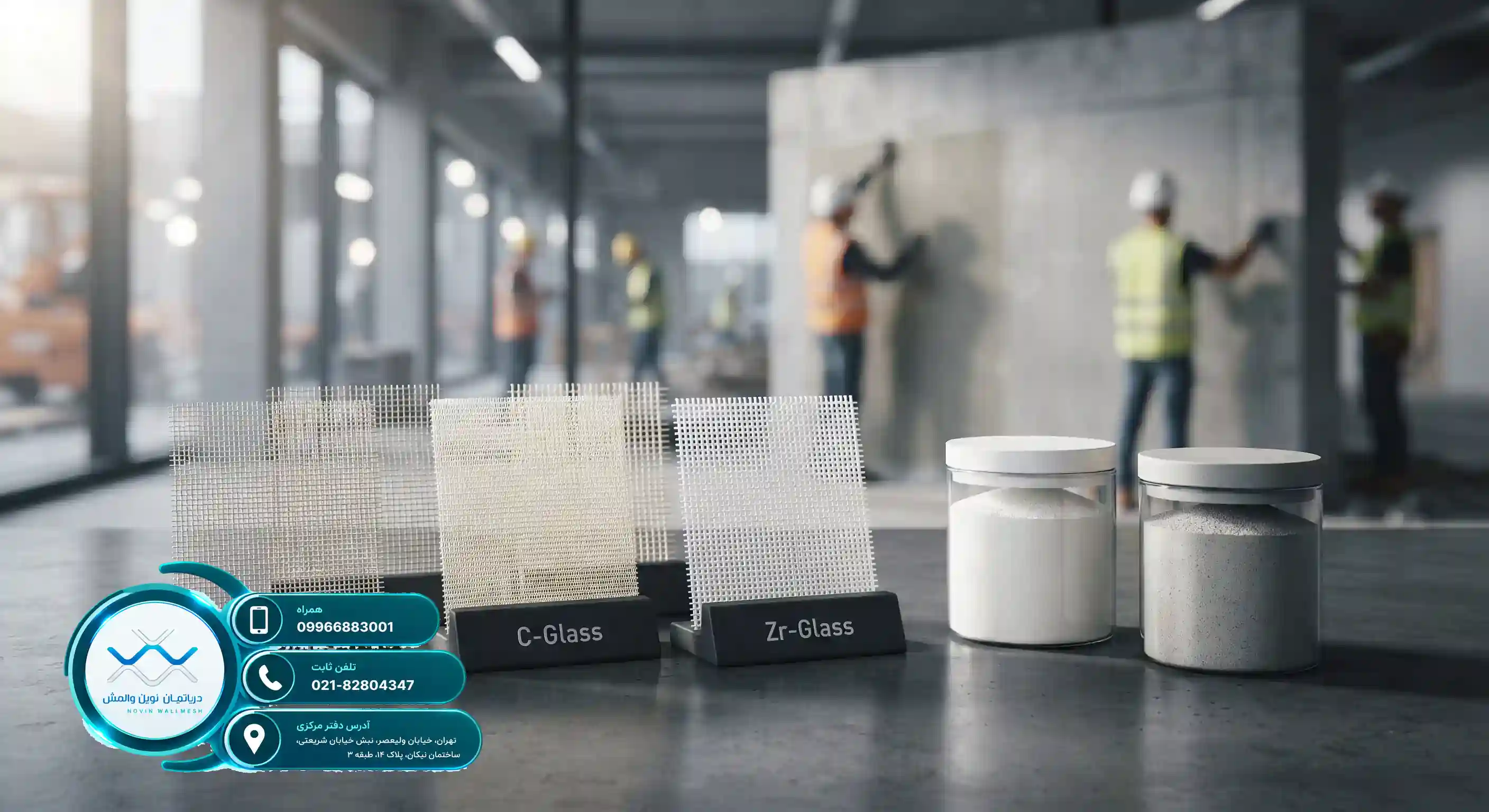
الدور الحیوی للجدران غیر الإنشائیة فی استقرار الهیکل
على الرغم من أن الجدران غیر الإنشائیة أو الجدران الفاصلة لا تلعب دوراً مباشراً فی تحمل الأحمال الثقیلة والجانبیة الرئیسیة للمبنى، إلا أنها تتعرض لأضرار بالغة عند حدوث الزلازل. عدم التثبیت الصحیح لهذه الجدران یمکن أن یشکل مخاطر لا تُعوض على أرواح الأفراد والممتلکات. ولهذا السبب، یبحث مهندسو الإنشاءات دائماً عن طرق حدیثة واقتصادیة لتسلیح هذا الجزء من المبنى. وفی هذا السیاق، یُعد التعرف على مفهوم سعر شبکة الجدران (وال مش) أحد الاهتمامات الرئیسیة لأصحاب المشاریع ومنفذی مشاریع البناء لکی یتمکنوا من تحقیق التوازن الأفضل بین السلامة والتکالیف.
فی السنوات الأخیرة، تخلت الأنظمة التقلیدیة مثل الدعامات الفولاذیة عن مکانتها لصالح التقنیات الحدیثة نظراً لوزنها الثقیل، وتکالیف تنفیذها العالیة، وأدائها الضعیف فی مقاومة الزلازل. استطاعت شبکة الجدران (وال مش)، کبدیل هندسی، إرساء معاییر جدیدة فی قطاع البناء. یمنع هذا النظام انهیار الجدار من خلال توزیع الضغوط بشکل متساوٍ على سطحه، مما یحسن الأداء الزلزالی للهیکل بأکمله.
لماذا لم تعد الأنظمة التقلیدیة مجدیة؟
تعتمد طرق تثبیت الجدران القدیمة عادةً على اللحام النقطی والقطاعات الفولاذیة الثقیلة، وهی غیر اقتصادیة وتزید بشکل کبیر من الوزن المیت للمبنى. بالإضافة إلى ذلک، فإن تنفیذها یستغرق وقتاً طویلاً ویحتاج إلى عمالة ماهولة. فی المقابل، تتمیز أنظمة شبکة الجدران الحدیثة باستخدام شبکات الألیاف الزجاجیة (الفیبرجلاس) واللیاسة، بوزنها الأقل بکثیر وسرعة تنفیذها العالیة. لفهم هذا الموضوع بشکل أفضل، تکتسی دراسة حالات مثل کیفیة تحدید سماکة اللیاسة فی حسابات شبکة الجدران أهمیة خاصة.
قطاع شبکة الجدران الحدیثة (نوین وال مش)، من خلال تقدیم منتجات عالیة الجودة ومتوافقة مع لوائح البناء الوطنیة، خطا خطوة کبیرة نحو الارتقاء بسلامة الهیاکل. یُعد الاختیار الصحیح للمواد الأولیة الخطوة الأولى نحو تحسین التکالیف وزیادة متانة الجدران ضد الإجهادات البیئیة والزلزالیة.
ما هی شبکة الجدران (وال مش) وکیف تعمل؟
شبکة الجدران (وال مش) هی نظام متکامل لتسلیح الجدران غیر الإنشائیة، ویتکون من مزیج من شرائط شبکة الألیاف الزجاجیة وطبقات اللیاسة (الأساس الجبسی أو الأسمنتی). تعتمد کفاءة هذا النظام على إنشاء شبکة مستمرة مقاومة للإجهاد تمتص قوى الزلازل الواردة وتوزعها على کامل الجدار. فی هذا الهیکل، تلعب مقاومة الشد للشبکة دوراً حاسماً فی تحمل الأحمال الجانبیة وتؤثر بشکل مباشر على سعر شبکة الجدران (وال مش).
یُعترف بنظام شبکة الجدران کحل قیاسی فی اللوائح التنفیذیة نظراً لمرونته العالیة والتصاقه الممتاز بمواد البناء. وإلى جانب مقاومة الزلازل، یمنع هذا النظام التشققات الناجمة عن هبوط الهیکل. تضمن جودة المکونات التی یتألف منها هذا النظام أداءه طویل الأمد.
المکونات الرئیسیة لنظام شبکة الجدران (وال مش)
للتنفیذ الصحیح لهذا النظام، یلزم توفیر مواد تخصیصیة وعالیة الجودة تتمیز کل منها بخصائصها الفریدة:
- شبکة الألیاف الزجاجیة (فیبرجلاس): النواة المقاومة الرئیسیة للنظام وتُنتج بأنواع مختلفة مثل E-Glass و C-Glass و Zr-Glass.
- اللیاسة ذات الأساس الجبسی أو الأسمنتی: تُستخدم لتغطیة وتحقیق التکامل على شبکة الألیاف الزجاجیة.
- الوصلات والدعامات الزاویة (النبشی): لربط الجدار بالأعمدة والکمرات على مسافات محددة.
تُظهر دراسة متطلبات التصمیم فی المشاریع الحساسة، مثل تحدید الأحمال الواردة فی حسابات شبکة جدران المستشفیات، مدى حاجة اختیار نوع الشبکة وسماکة اللیاسة إلى دقة هندسیة عالیة. وقد مهد قسم شبکة الجدران الحدیثة طریق تنفیذ المشاریع للمهندسین من خلال توفیر هذه العناصر بالکامل.
The Impact of Raw Material Quality on Reducing Wall Mesh Prices
The Impact of Raw Material Quality on Reducing Wall Mesh Prices
The Vital Role of Raw Materials in the Construction Industry
Choosing high-quality building materials has always been one of the primary concerns of engineers and civil project executors. In recent years, modern retrofitting methods such as using non-structural wall reinforcement systems have gained a special place. When it comes to cost optimization, many mistakenly think that purchasing cheap materials necessarily leads to a reduction in wall mesh prices. However, the technical reality is entirely different. At the Novin Wall Mesh Department, we believe that sustainable raw material quality is the true root of economic savings.
Engineering reviews show that using standard components drastically reduces overhead maintenance and repair costs. To learn more about these economic equations, reading the article Wall Mesh Price and the Impact of Glass Grade on Wall Reinforcement Quality is recommended.
Why Does Engineered Material Quality Matter?
Buildings require high flexibility and tensile strength against environmental stresses and earthquakes. Using premium materials guarantees proper performance during crises.
- Increasing the useful lifespan of the structure
- Preventing capital loss due to repurchasing defective materials
- Full compliance with executive codes and standards
Key Components of the Wall Reinforcement System
A wall mesh system consists of several main components including fiberglass mesh, gypsum or cement-based plaster, and retaining angles or channels. Each of these components plays an important role in the structural behavior of the entire assembly. A thorough understanding of these components helps buyers make the best decision for managing their project budget.
To better understand how the price of reinforcing wall mesh affects retrofitting costs, we must pay special attention to the synergistic role of the mesh and plaster.
The Role of Fiberglass Mesh in Wall Integrity
Fiberglass mesh acts as the main tensile element in the system, distributing earthquake-induced forces across the wall surface.
The manufacturing quality of the fiberglass mesh is the primary determinant of the tensile strength and durability of the entire non-structural wall reinforcement system.
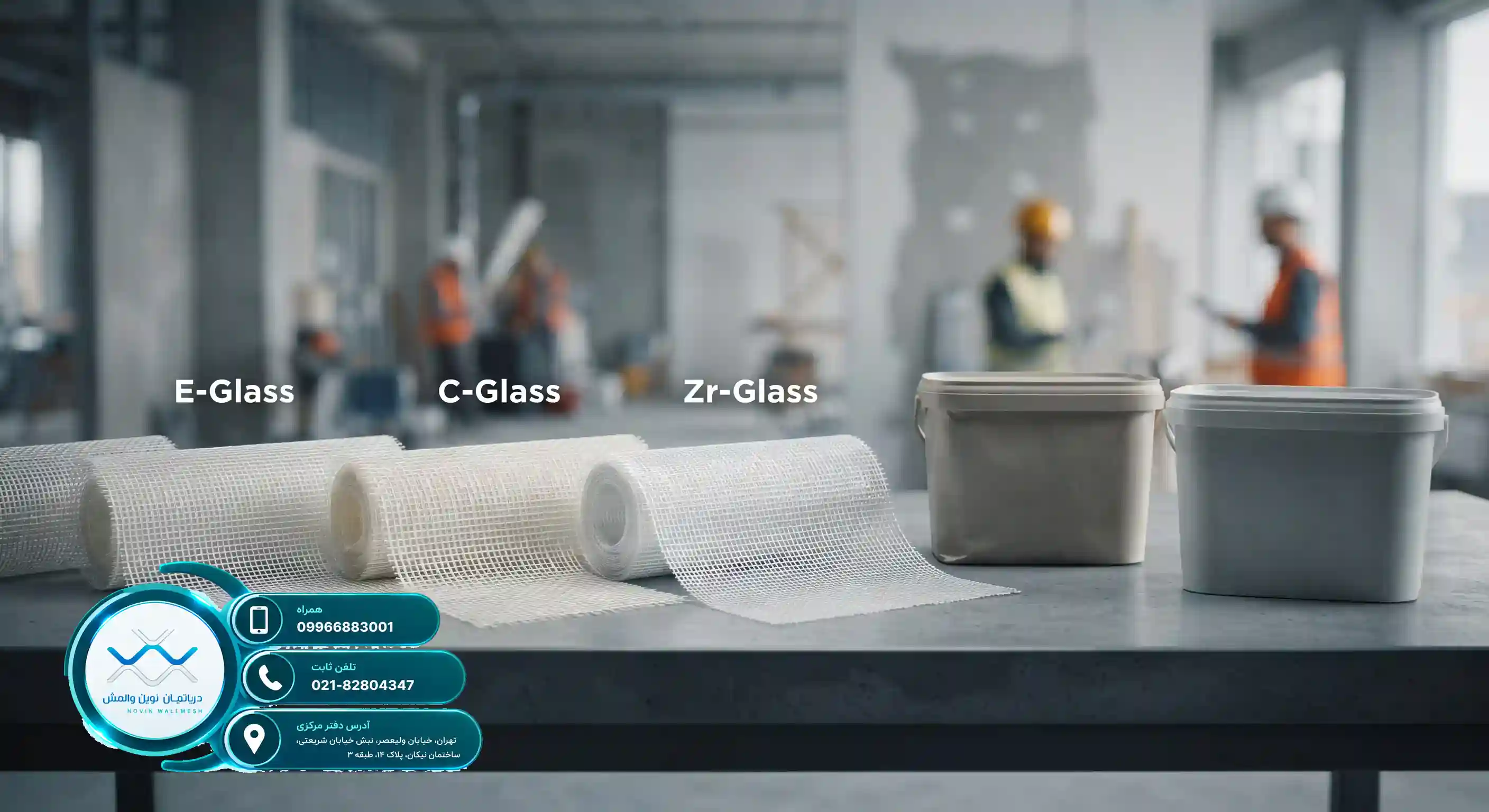
- E-Glass fiberglass mesh suitable for general and standard applications
- C-Glass fiberglass mesh with good chemical resistance
- Zr-Glass fiberglass mesh resistant to the alkaline environments of concrete and plaster