آیا پلاستر وال مش جایگزین مناسبی برای میلگرد بستر است؟
آیا پلاستر وال مش جایگزین مناسبی برای میلگرد بستر است؟
نقش حیاتی والمش در مهندسی زلزله
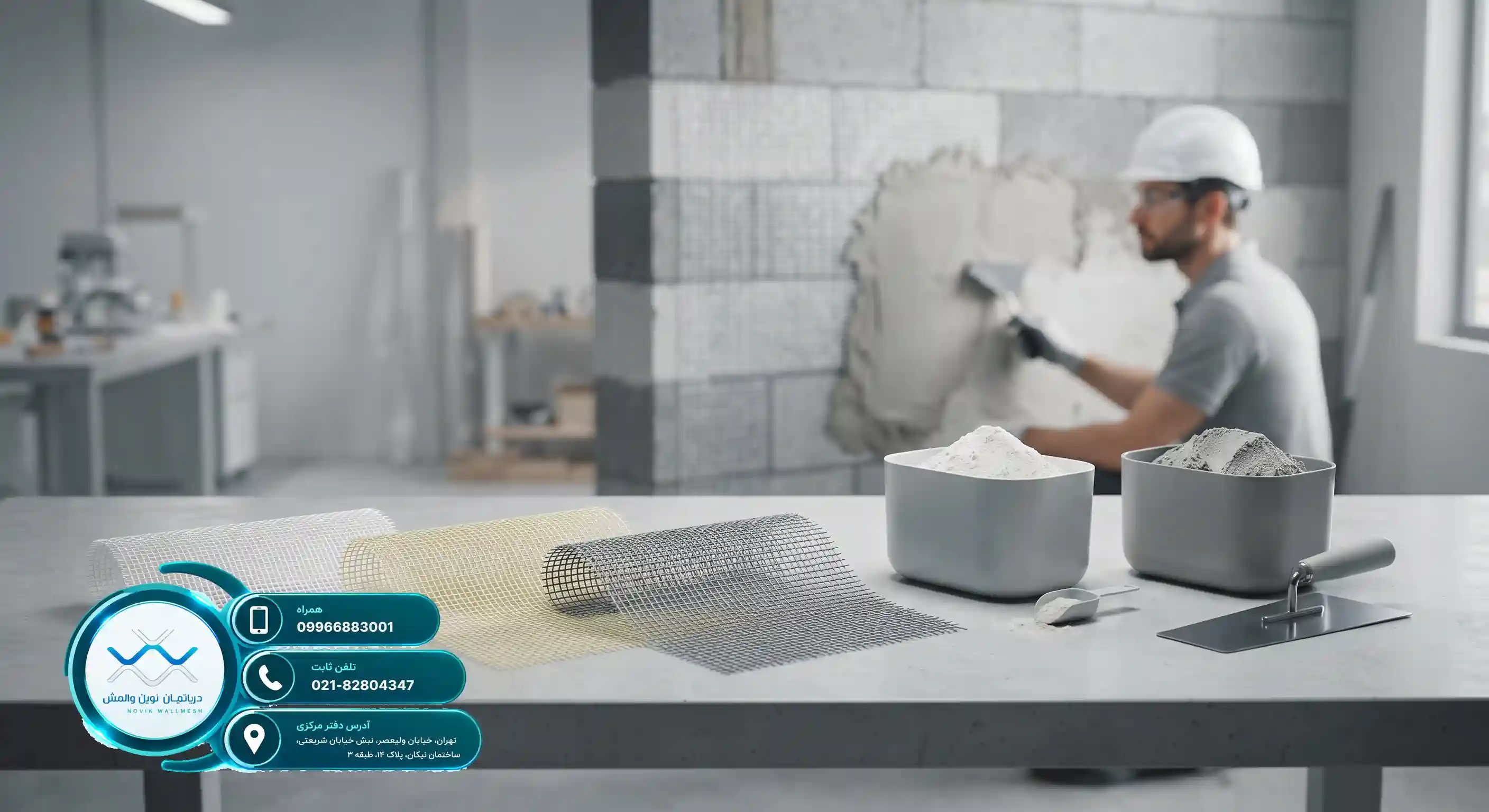
در سالهای اخیر، آییننامههای طراحی لرزهای ساختمانها توجهژ ویژهای به مهار دیوارهای غیرسازهای داشتهاند. صدمات ناشی از ریزش میانقابی دیوارها در زلزلههای گذشته نشان داده است که روشهای سنتی پاسخگوی نیازهای ایمنی نیستند. در این میان، فناوری پلاستر وال مش به عنوان یکی از کارآمدترین روشهای مقاومسازی شناخته میشود. این سیستم با توزیع همگن تنشها در سطح دیوار، مانع از ترکخوردگی و تخریب ناگهانی آن در هنگام وقوع زلزله میگردد.
ما در دپارتمان نوین وال مش با بهرهگیری از بهروزترین استانداردهای مهندسی، بهینهترین راهکارها را برای ایمنی سازههای شما فراهم میکنیم. مهندسان سازه همواره به دنبال جایگزینهایی هستند که هم از نظر اقتصادی مقرونبهصرفه باشند و هم سرعت اجرای بالایی داشته باشند. سیستم والمش دقیقاً پاسخی به همین نیازها است.
اهمیت حفظ یکپارچگی دیوارها
دیوارهای پیرامونی و داخلی اگرچه باربر نیستند، اما وزن قابل توجهی دارند و عدم مهار صحیح آنها خطرات جانی و مالی فراوانی ایجاد میکند. استفاده از شبکههای الیاف فایبرگلاس همراه با پوششهای مناسب، یکپارچگی ساختاری دیوار را به طور چشمگیری افزایش میدهد.
میلگرد بستر چیست و چه کاربردهایی دارد؟
میلگرد بستر سالهاست به عنوان یکی از روشهای رایج مهار دیوارهای آجری و بلوکی در صنعت ساختمان مورد استفاده قرار میگیرد. این سیستم شامل مفتولهای فولادی به هم پیوسته است که در درزهای افقی ملات بلوکها قرار میگیرند. هدف اصلی میلگرد بستر، افزایش مقاومت برشی و خمشی درونصفحهای دیوار است. با این حال، اجرای صحیح آن نیازمند دقت بالا در تمام مراحل ساخت است.
محدودیتها و معایب اجرایی میلگرد بستر
با وجود مزایای میلگرد بستر، چالشهایی نظیر احتمال خوردگی فولاد در محیطهای مرطوب، نیاز به جوشکاریهای دقیق، ضخامت ملات بستر و دشواری نظارت بر کیفیت اجرای دقیق آن در کارگاههای ساختمانی وجود دارد. این محدودیتها باعث شده است تا متخصصان به دنبال راهکارهای جایگزین مانند پلاستر وال مش باشند که مشکلات خوردگی کمتری داشته و پیوستگی سطحی بهتری ایجاد میکند.
برای آشنایی بیشتر با استانداردهای جهانی مصالح نوین، میتوانید نگاهی به راهنماهای بینالمللی بیندازید؛ از جمله استانداردهایی که در توسعه سیستمهای پوششی مشابه توسط پلاستر گچی والمش مطرح شدهاند.
Why is choosing high-quality wall mesh plaster of vital importance?
Why is choosing high-quality wall mesh plaster of vital importance?
The Vital Role of Wall Mesh Plaster in Structural Engineering
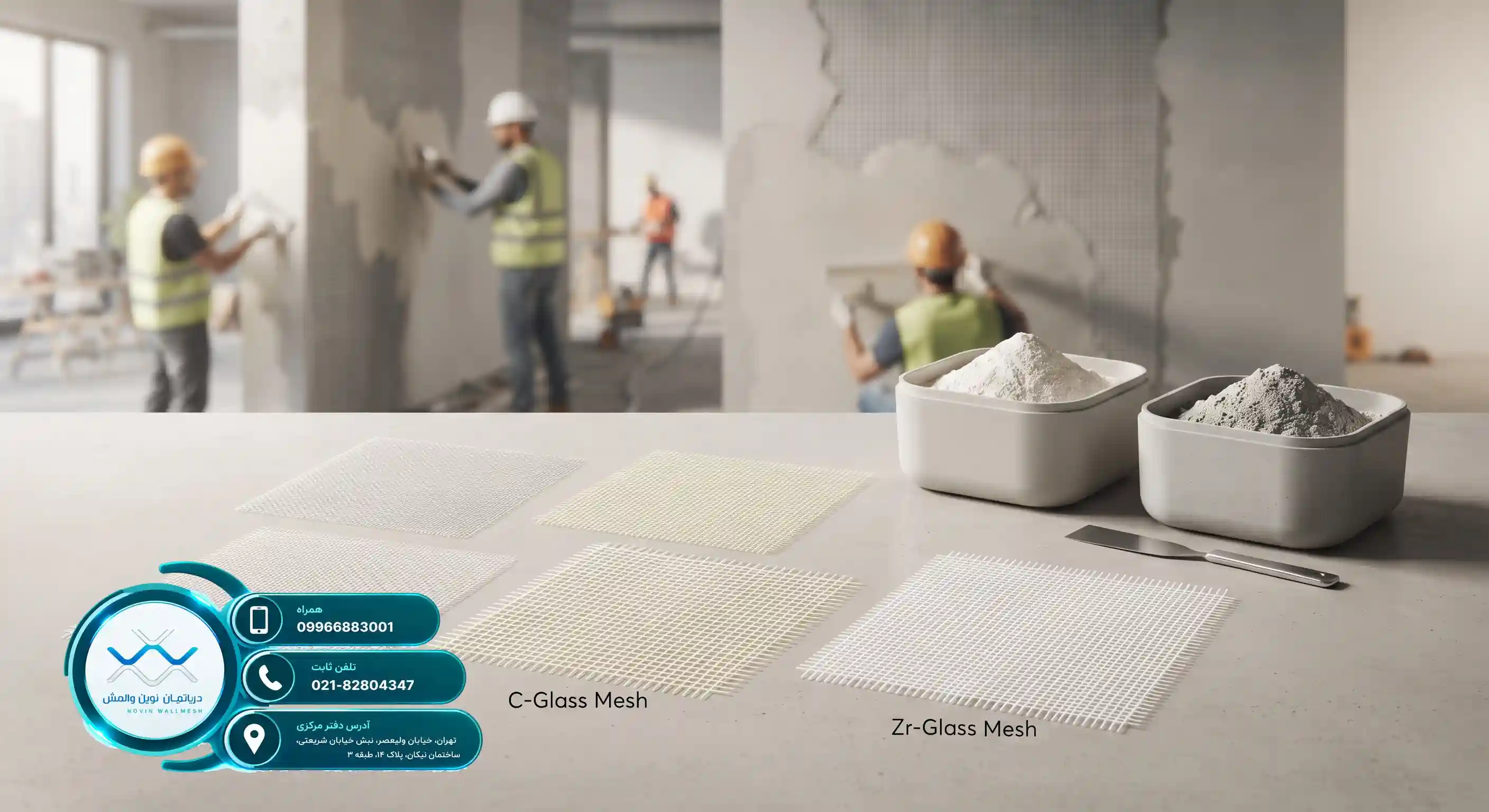
In the modern world of construction, ensuring the safety of non-structural walls against earthquakes has become a major concern for engineers and designers. The wall mesh system, as a modern alternative to traditional metal wallposts, consists of a combination of fiberglass mesh and a layer of plaster. Meanwhile, the quality of wall mesh plaster plays a highly decisive role in the integrated performance of the entire system. Without a proper and engineered coating, fiberglass fibers cannot properly withstand applied forces, leaving the structure vulnerable to stresses.
The Novin Wall Mesh Department, with years of brilliant experience in the field of retrofitting, always emphasizes that choosing standard materials guarantees the durability and stability of structures. When fiberglass mesh is used alongside specialized plasters, earthquake-induced loads are distributed evenly across the wall surface. This process prevents localized cracking and significantly increases the safety of occupants.
Why is the final coating of the wall mesh system important?
Plaster acts as the main matrix for force transfer. This protective layer holds the fibers in place and protects them against environmental factors. For more information in this regard, reading Important tips on choosing the plaster type when buying wall mesh can be a very useful guide for supervising engineers and qualified contractors.
The quality of plaster application on fiberglass mesh is the primary guarantor of the wall's seismic performance in the event of an earthquake.
In civil projects, paying attention to execution details is of paramount importance. If the coating layer lacks sufficient adhesion, the entire system will fail before reaching its ultimate strength. Therefore, a precise understanding of plaster types and their physical characteristics is of vital importance.
Structural Differences Between Cement-Based and Gypsum-Based Plasters in the Wall Mesh System
The choice of plaster type varies depending on environmental conditions and the project's execution site. Due to high resistance against moisture and adverse weather conditions, cement-based plasters are considered an unparalleled option for exteriors, parking lots, and humid environments. On the other hand, gypsum-based plasters, with their fast drying speed and smooth surface, are the top choice for interior building walls. To learn about the countless benefits of these products, reviewing Why buying cement-based plaster from Novin Wall Mesh Department is engineers' first choice? will certainly be worthwhile.
In global building industry standards, such as the guidelines recognized in wall mesh gypsum plaster, special emphasis is placed on using high-quality, homogenized materials to minimize thermal and shrinkage stresses. It is this harmony between the mesh and the plaster that allows the wall to exhibit flexibility against lateral loads.
Key Features of a Standard Plaster
- Extremely high adhesion to brick, block, and concrete surfaces
- Modulus of elasticity compatible with fiberglass mesh
- Appropriate tensile and flexural strength to combat hairline cracks
- Easy application capability with traditional and mechanized tools
Using substandard materials can ruin all the effort put into installing the fiberglass network. Therefore, sourcing plaster from reputable and specialized sources is always recommended to consulting engineers.
Familiarity with Technical Specifications and National Standards of Wall Mesh Plaster
Familiarity with Technical Specifications and National Standards of Wall Mesh Plaster
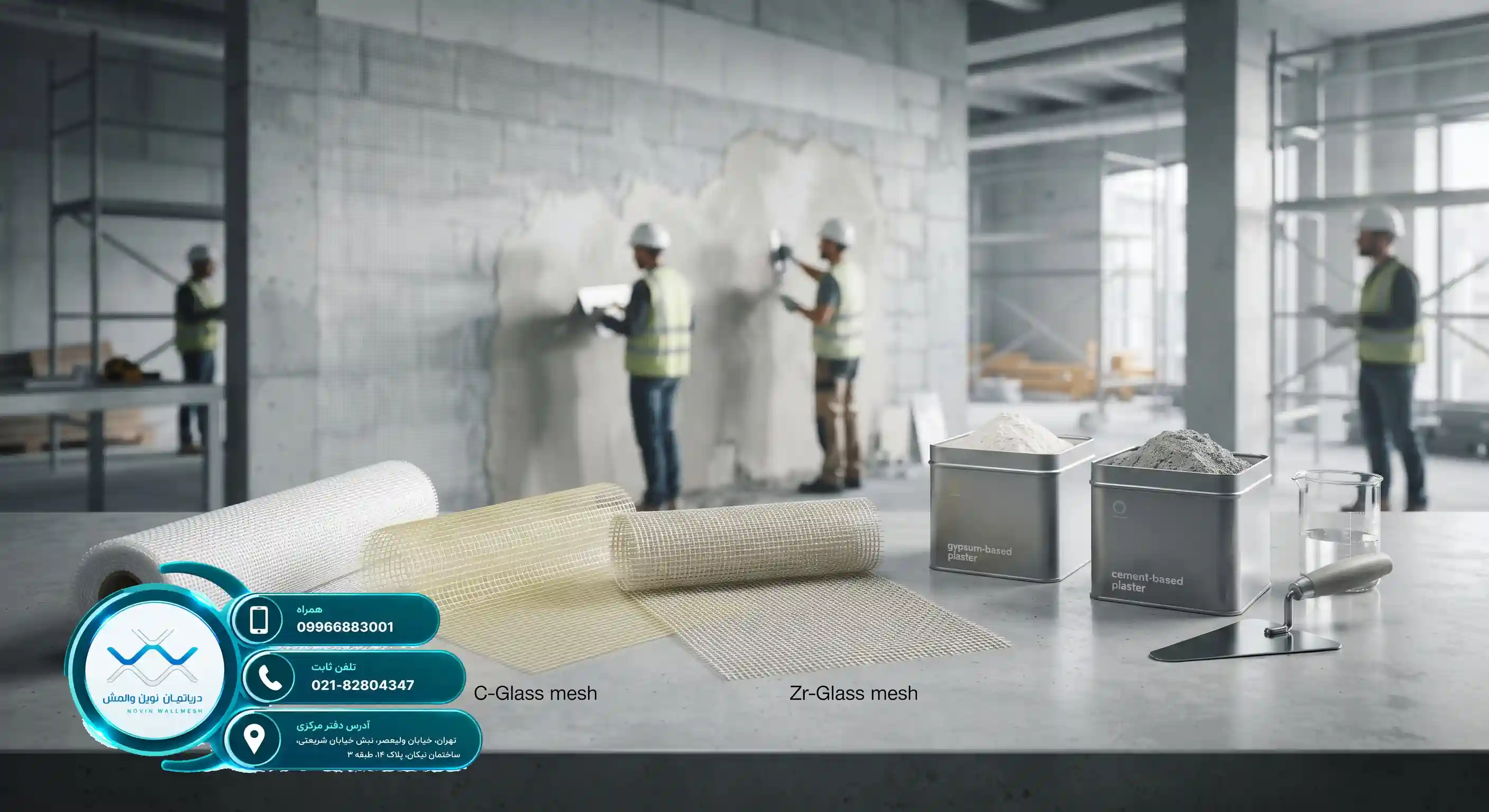
The Vital Role of Non-Structural Walls in Structural Stability
In modern structural engineering, non-structural or infill walls make up a vast portion of building components which, although they do not bear the gravity load of roofs and beams, are extremely vulnerable to lateral forces caused by earthquakes. The failure of these walls not only incurs heavy financial losses but also creates irreparable life hazards. For this reason, new building codes place special emphasis on the principled restraint of these components. The wall mesh plaster technology has emerged as one of the most efficient methods for integrating and reinforcing walls.
The use of traditional systems such as bed joint reinforcement sometimes faces challenges such as difficult implementation, high costs, and inadequate continuity. In contrast, modern engineering systems seek solutions that significantly increase the tensile and shear strength of the wall while remaining lightweight. The Novin Wall Mesh Department, by providing engineered products, has taken a giant step toward elevating the safety of the country's structures.
Why is Choosing Standard Materials Important in Wall Mesh?
The success of a reinforcement system depends on the quality of each individual component comprising it. From high-quality fiberglass meshes to specialized plasters, each plays a specific role in distributing earthquake-induced stresses. Based on research published in non-structural wall retrofitting with wall mesh, the use of standard materials and the correct implementation process greatly improves the seismic performance of the structure.
In this article, we intend to closely examine the technical specifications and national standards related to wall mesh plaster so that respected engineers and contractors can make the best choice for their projects. Understanding these specifications is the key to achieving a stable, durable wall that complies with the regulations of the Road, Housing and Urban Development Research Center.
Key Components of the Wall Reinforcement System
The wall mesh system consists of two main parts: the glass fiber grid (fiberglass mesh) and the coating layer (plaster). The fiber grid has the role of bearing tensile forces, while the plaster bears compressive forces and fixes the fibers in place. This synergistic combination creates a rigid and durable shell on both sides of the wall that resists cracking and lateral displacements.
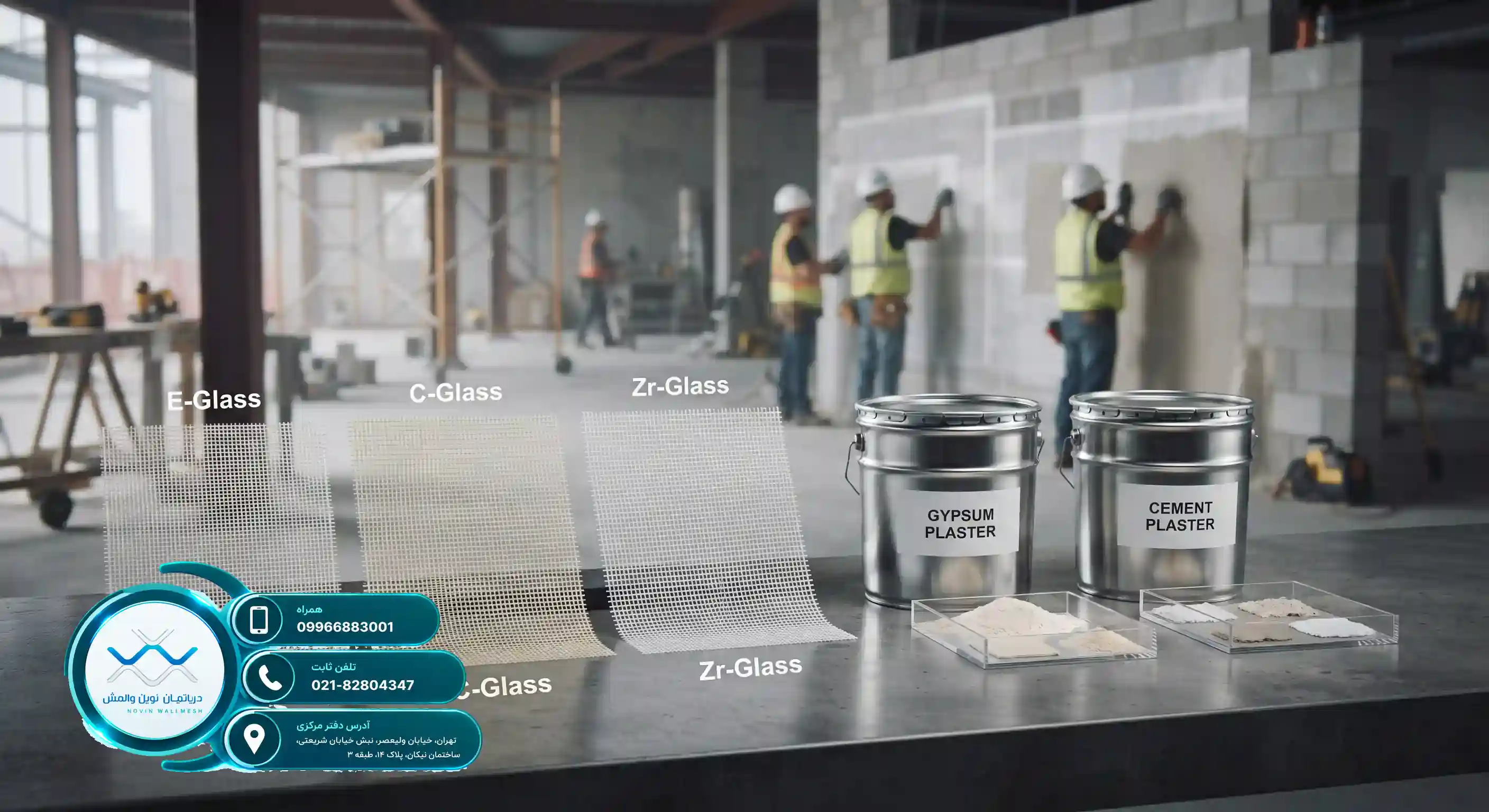
The choice of mesh type (such as E-Glass, C-Glass, or Zr-Glass) varies depending on environmental conditions and the type of structure. Also, choosing the appropriate plaster layer plays a vital role in the adhesion of the system to the wall substrate. For more information on how to procure and evaluate the quality of these products, you can visit the page familiarity with the purchase stages of the cement-based plaster of Novin Wall Mesh Department and benefit from expert consultations.
The Role of Plaster in Wall Integrity
The plaster used in this system is divided into two general categories: gypsum-based and cement-based. Cement-based plaster has high resistance to moisture and impact, making it ideal for exterior or damp spaces, whereas gypsum-based plaster provides high execution speed for interior walls. In this regard, studying the article why purchasing the cement-based plaster of Novin Wall Mesh Department increases security? provides you with complementary and valuable information.
The Novin Wall Mesh Department collection, with an advanced formulation, produces plasters with excellent adhesion and minimal shrinkage, which prevents the detachment of the reinforcement layer from the wall surface and guarantees the long-term durability of the structure.